
Low-Cost Injection Molding Leader
The Best Brands Put Their Trust in Formexmold














Molds are indispensable and crucial tools in industrial production, widely used in fields such as household appliances, automobiles, electronic devices, and medical equipment. The texture and patterns on mold surfaces play a vital role in product quality and appearance. With the rise in consumer spending levels, traditional mold engraving methods have certain limitations and fail to meet the demands for fine texture and complexity in high-end products. The emergence of laser engraving technology for molds has introduced entirely new possibilities for mold surface treatment.
The laser produces a high-intensity, high-energy laser beam. These laser beams are typically generated by laser diodes, solid-state lasers, or gas lasers.
3.2 Laser Focusing
The laser beam passes through an optical system, such as a lens or mirror, and is focused into a very small laser spot. The focused energy density determines the depth and accuracy of the etching pattern.
3.3 Surface irradiation of molds
The focused laser beam is irradiated onto a specific position on the surface of the mold. The interaction between the laser beam and the mold surface causes the melting, evaporation, or peeling of the material, resulting in the formation of the desired patterns and textures.
3.4 Movement and Control
Molds are usually combined with CNC machine tools or laser etching machines to achieve etching of the mold surface by controlling the relative motion between the laser beam and the mold. These movements can be the rotation, translation, or tilting of the mold.
3.5 Coordination and Control
Through advanced computer control systems, the laser source, optical system, and mold motion are coordinated and controlled. This enables the laser etching process to be carried out with very high precision and repeatability.
Mold laser etching technology utilizes the high energy and precise control of the laser beam to achieve high-precision etching of the mold surface, thereby forming fine patterns and textures. This non-contact processing method has the advantages of high efficiency, high precision, and repeatability, and has gradually become an important technology in the field of mold processing [4].
4.1 Automotive Industry
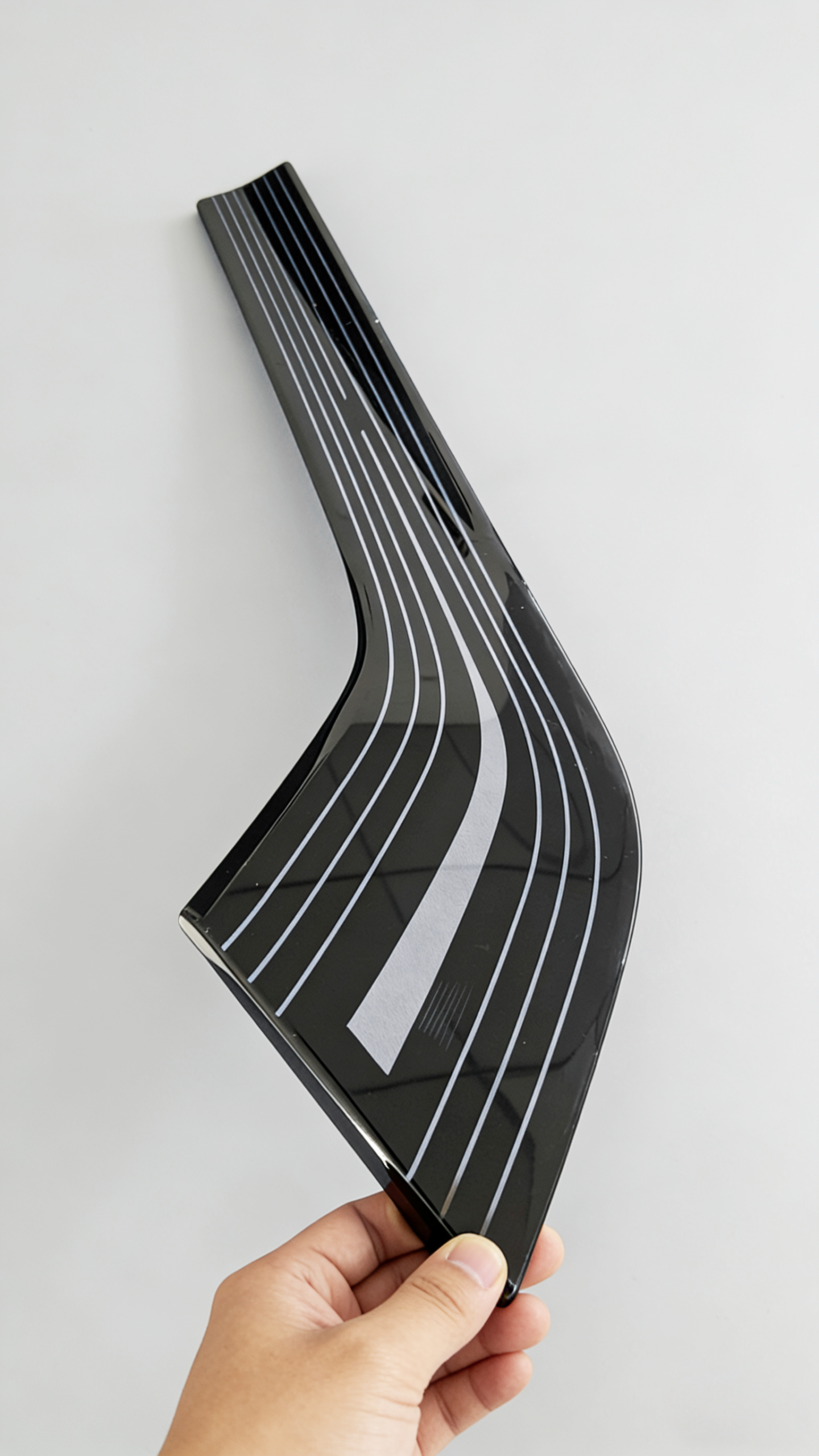
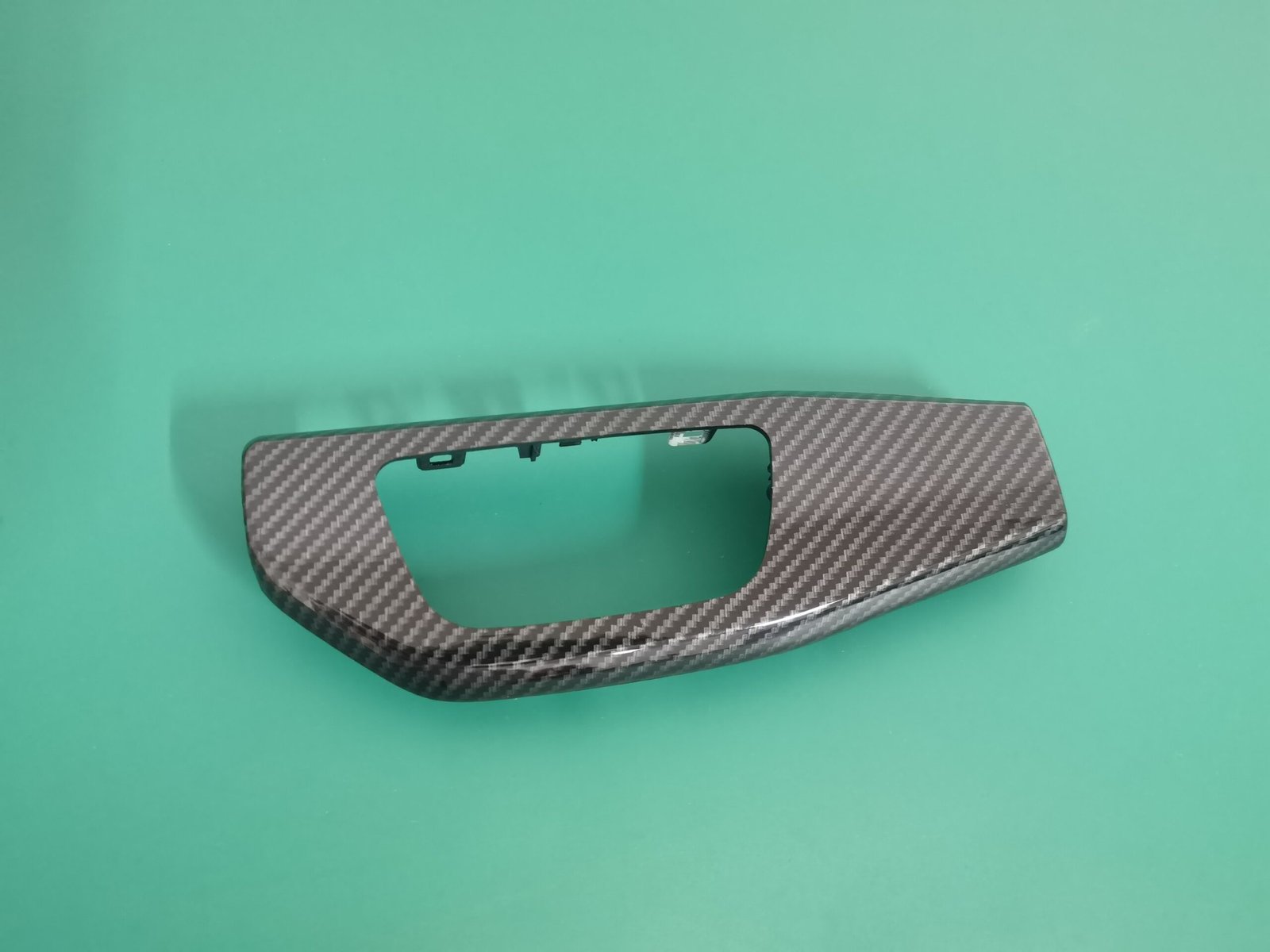
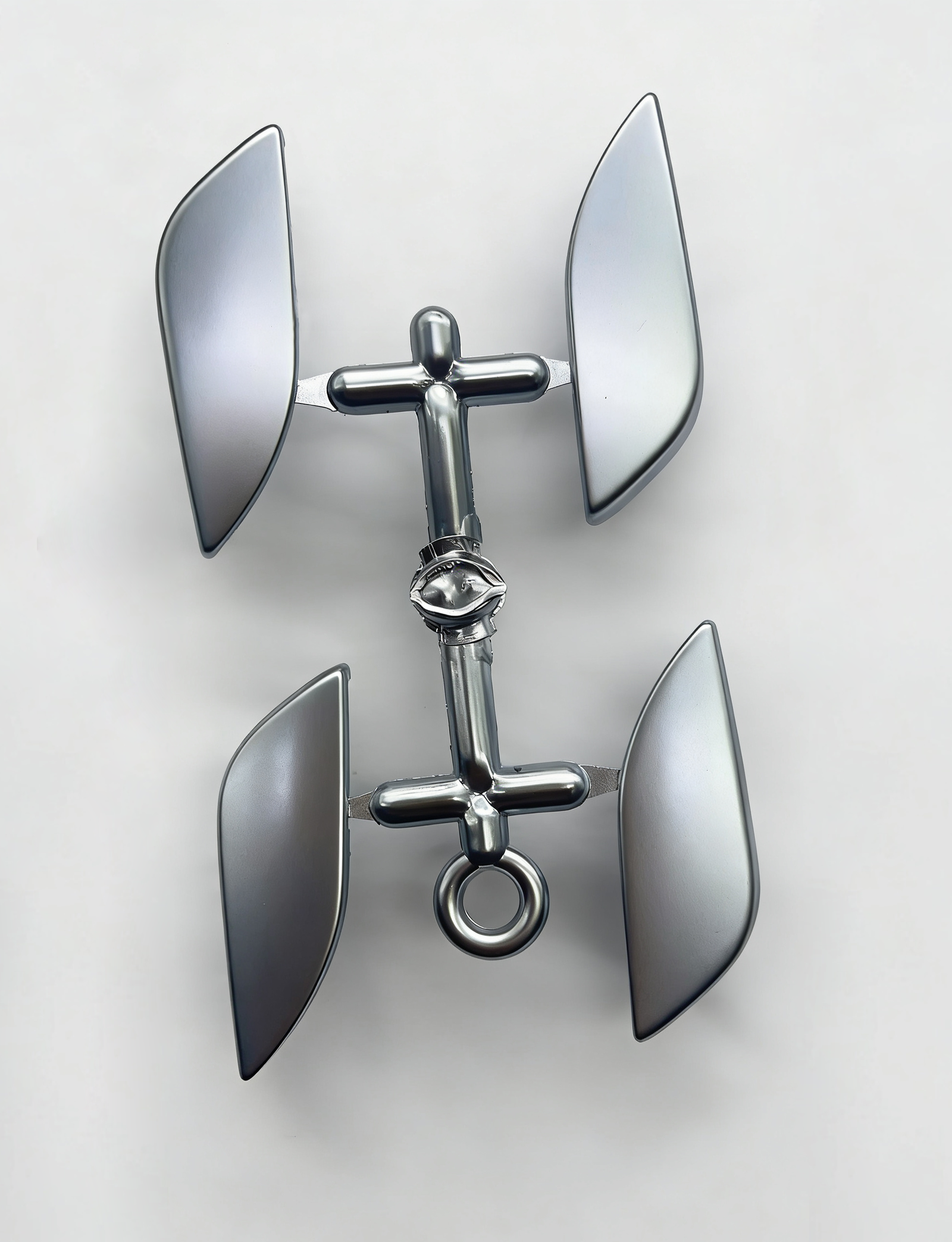
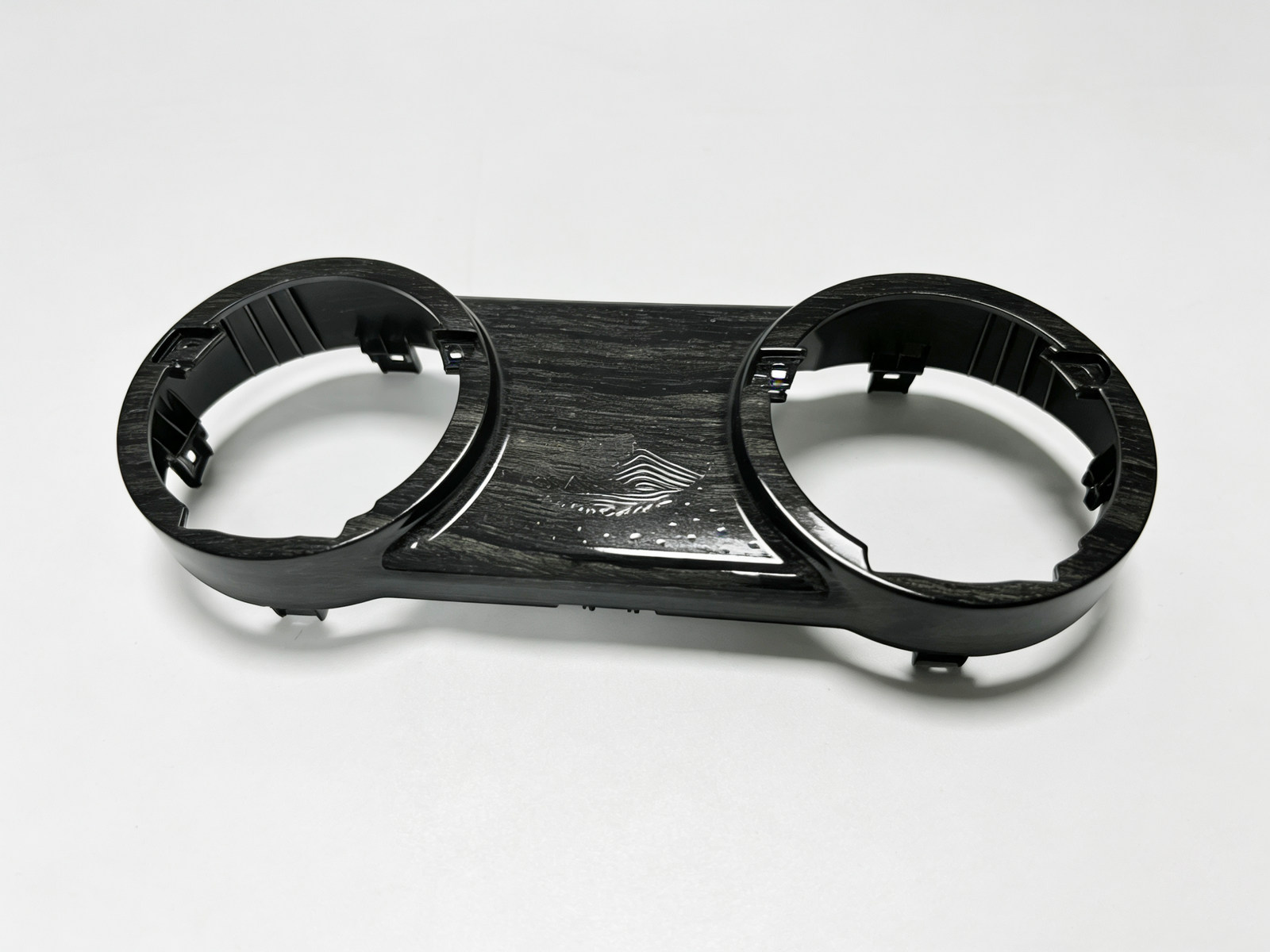
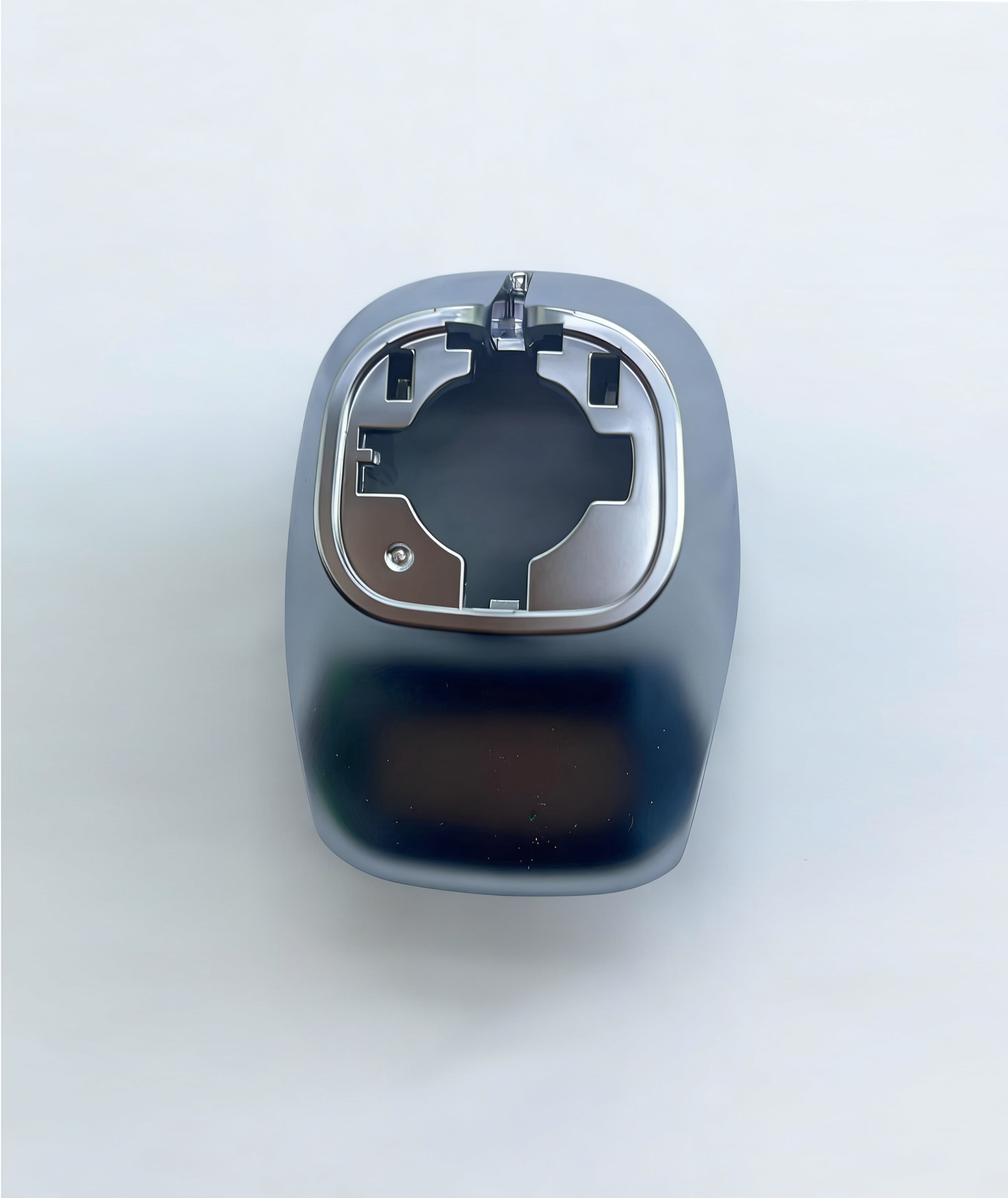
Car mold is one of the important application areas of laser etching technology for molds, which is used for surface texture treatment of automotive interior parts, steering wheel, dashboard, door panels, seats and other components. By laser etching, various fine textures can be created, which can enhance the texture and aesthetics of car interior decoration, improve the appearance quality and comfort of the car. The laser etching effect on the mold is shown in Figure 2 [5].
4.2 Electronic Products
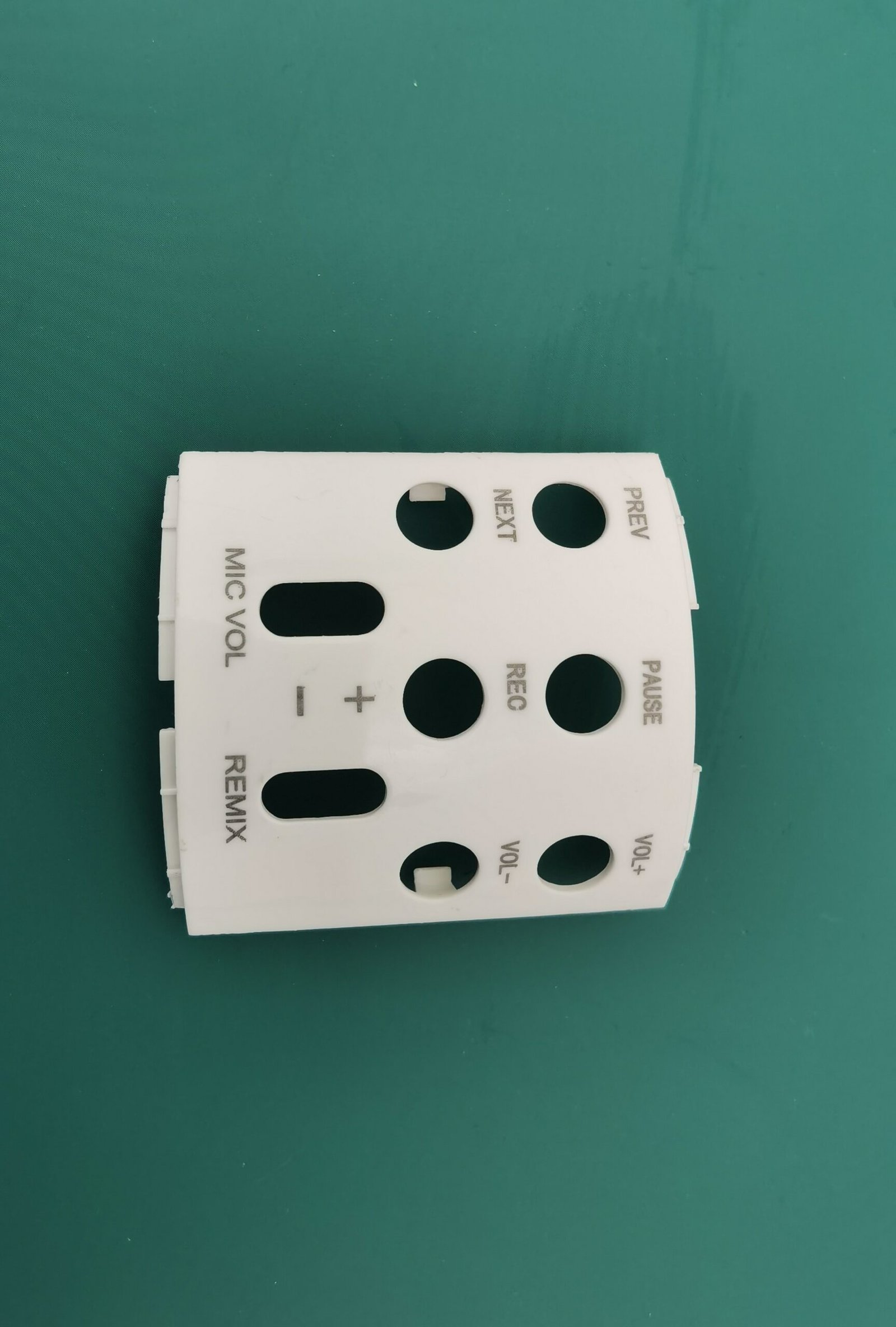
In high-end electronic products, mold laser etching technology is commonly used for pattern and texture processing on the shells of mobile phones, displays, projectors, tablets, and laptops. These patterns and textures not only enhance the visual appeal of the product, but also provide better hand feel and anti slip performance. The appearance texture of electronic products greatly enhances the user experience. Laser etching technology for molds can form delicate and uniform textures on electronic product casings, buttons, and displays, enhancing the appearance, texture, and quality of the product, and effectively enhancing its competitiveness among users’ numerous choices.
4.3 Medical Devices
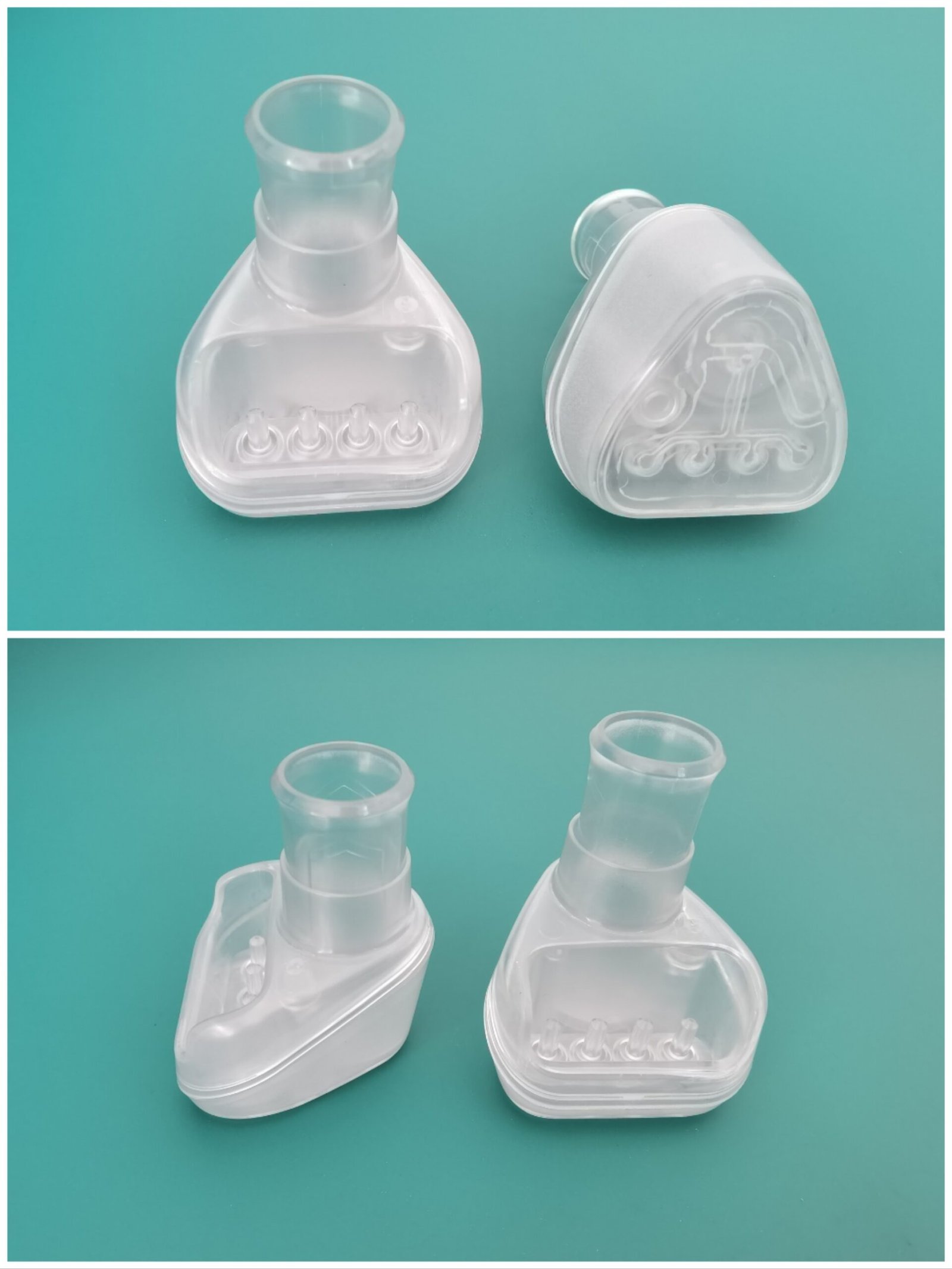
The surface texture of medical devices has a significant impact on the hygiene and operability of products. Through mold laser etching technology, fine textures can be formed on the surface of medical device components during the manufacturing process, making it more comfortable for medical personnel to operate the medical device and easier to clean. At the same time, the delicate laser etching can effectively improve the antibacterial properties of the product.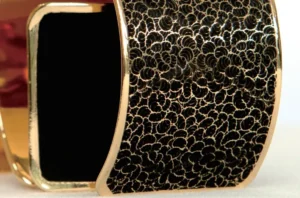
4.4 Furniture and Supplies
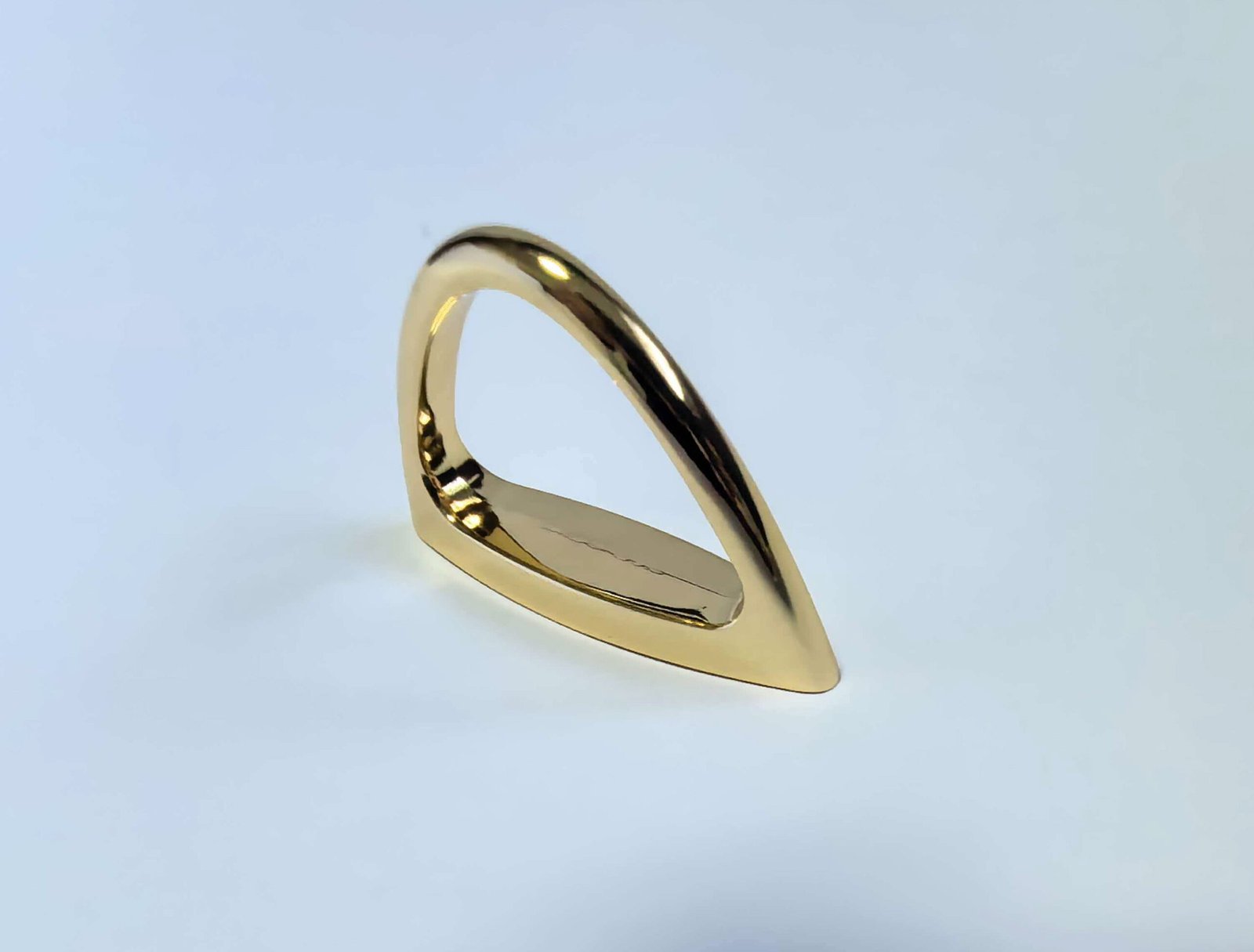
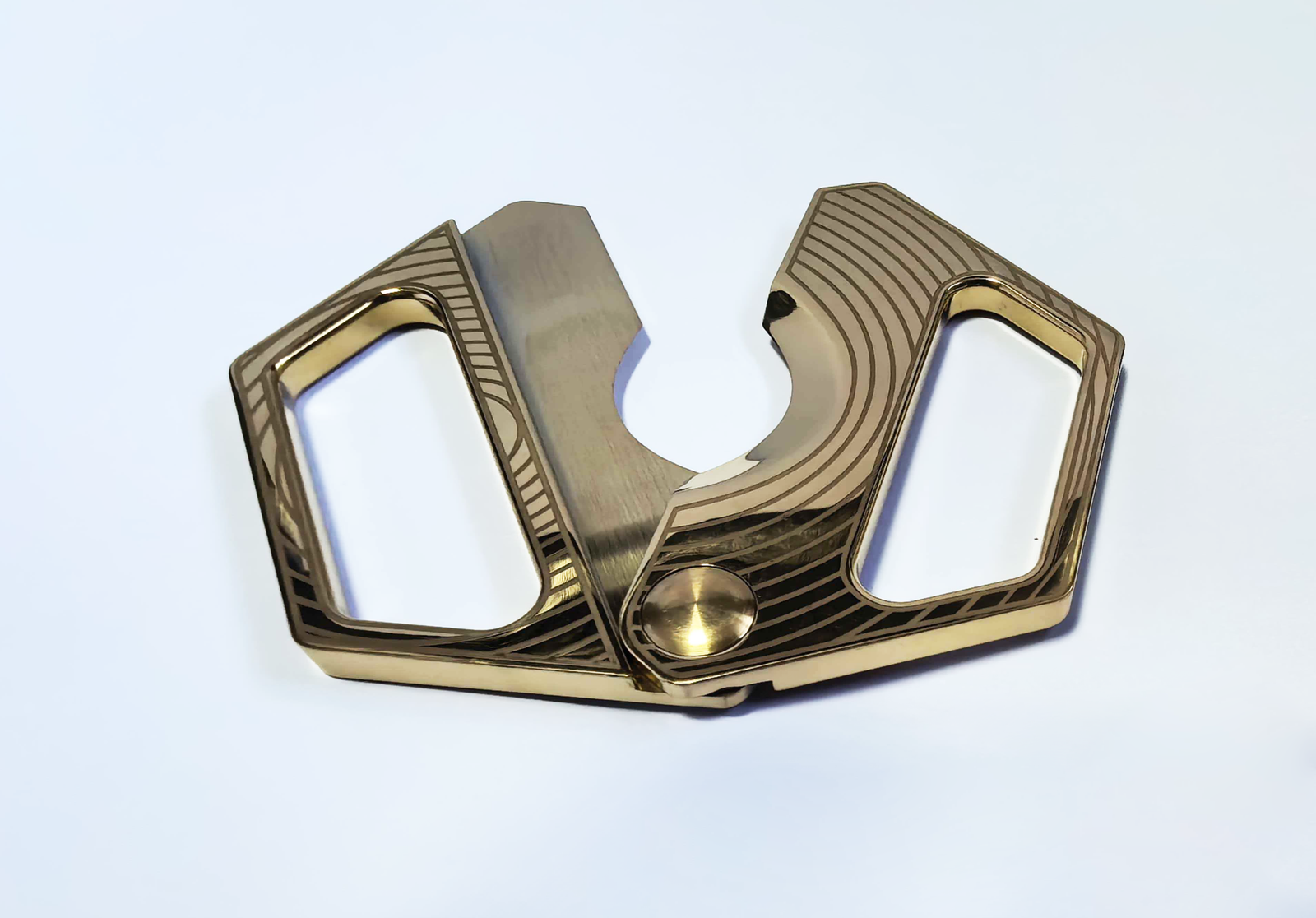
The application of mold laser etching technology in household products is also receiving increasing attention. For example, texture treatment can be applied to the surfaces of furniture, lighting fixtures, and kitchen supplies to give them higher texture and artistic value. The laser etching effect on jewelry is shown in Figure 3.