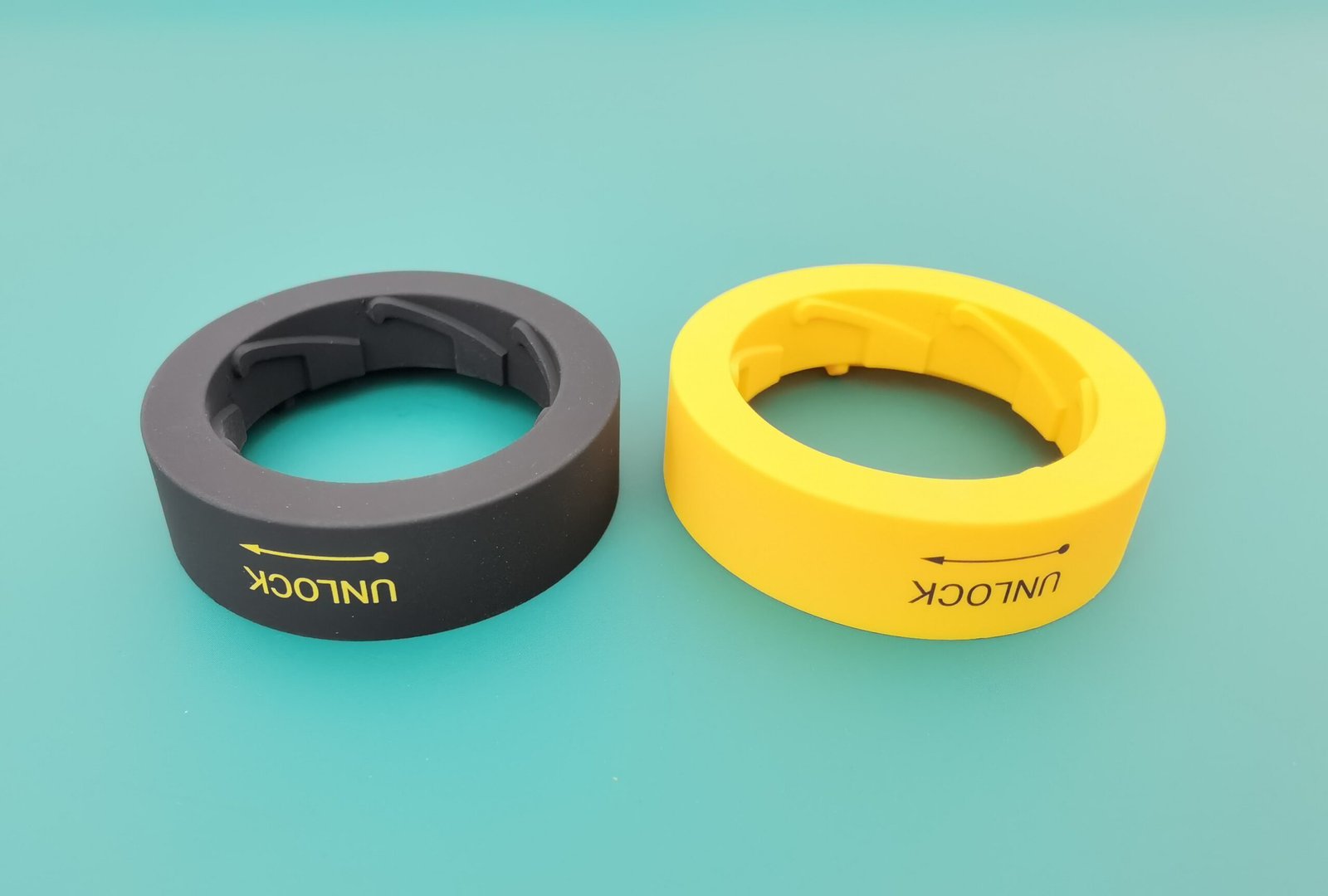
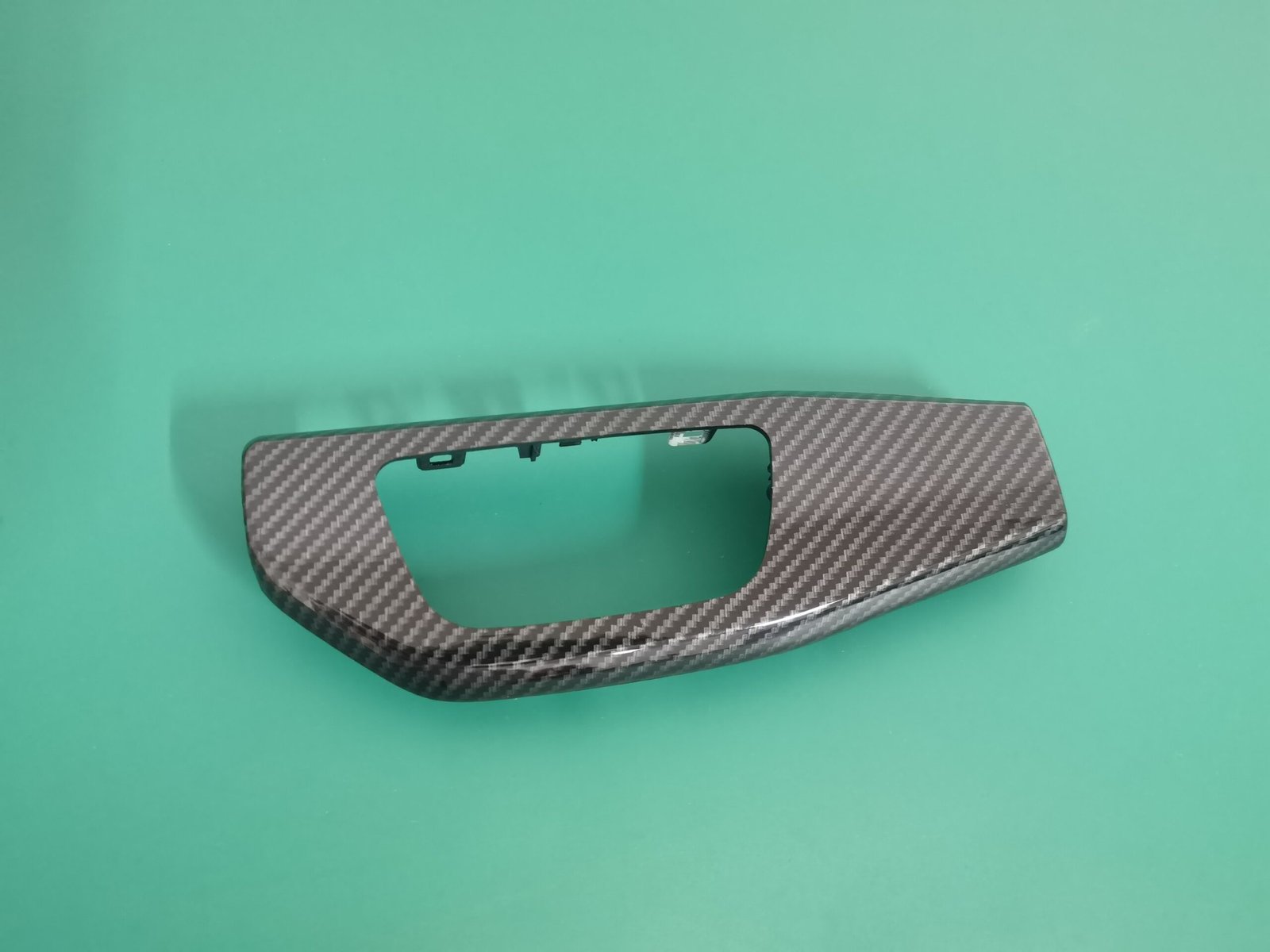
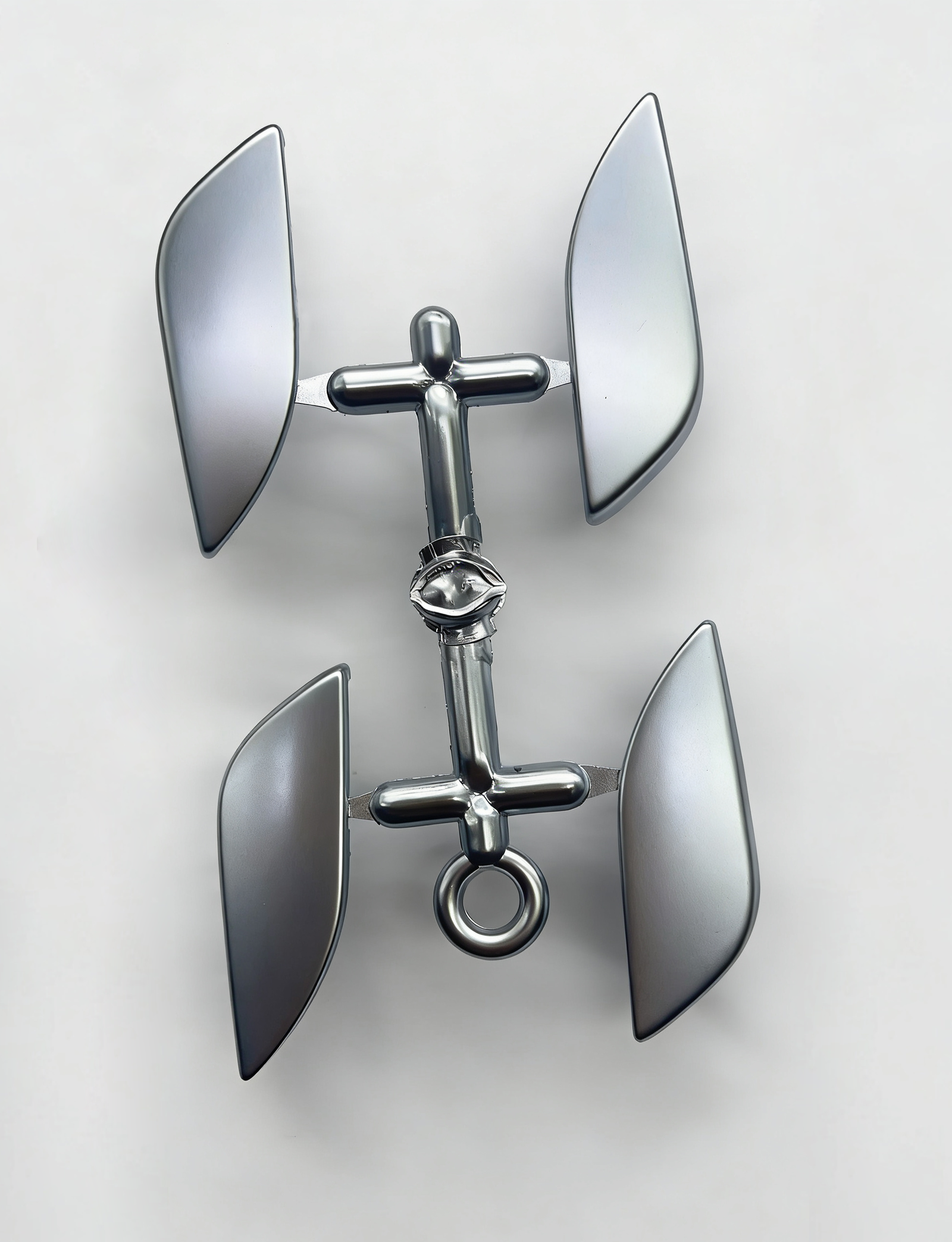
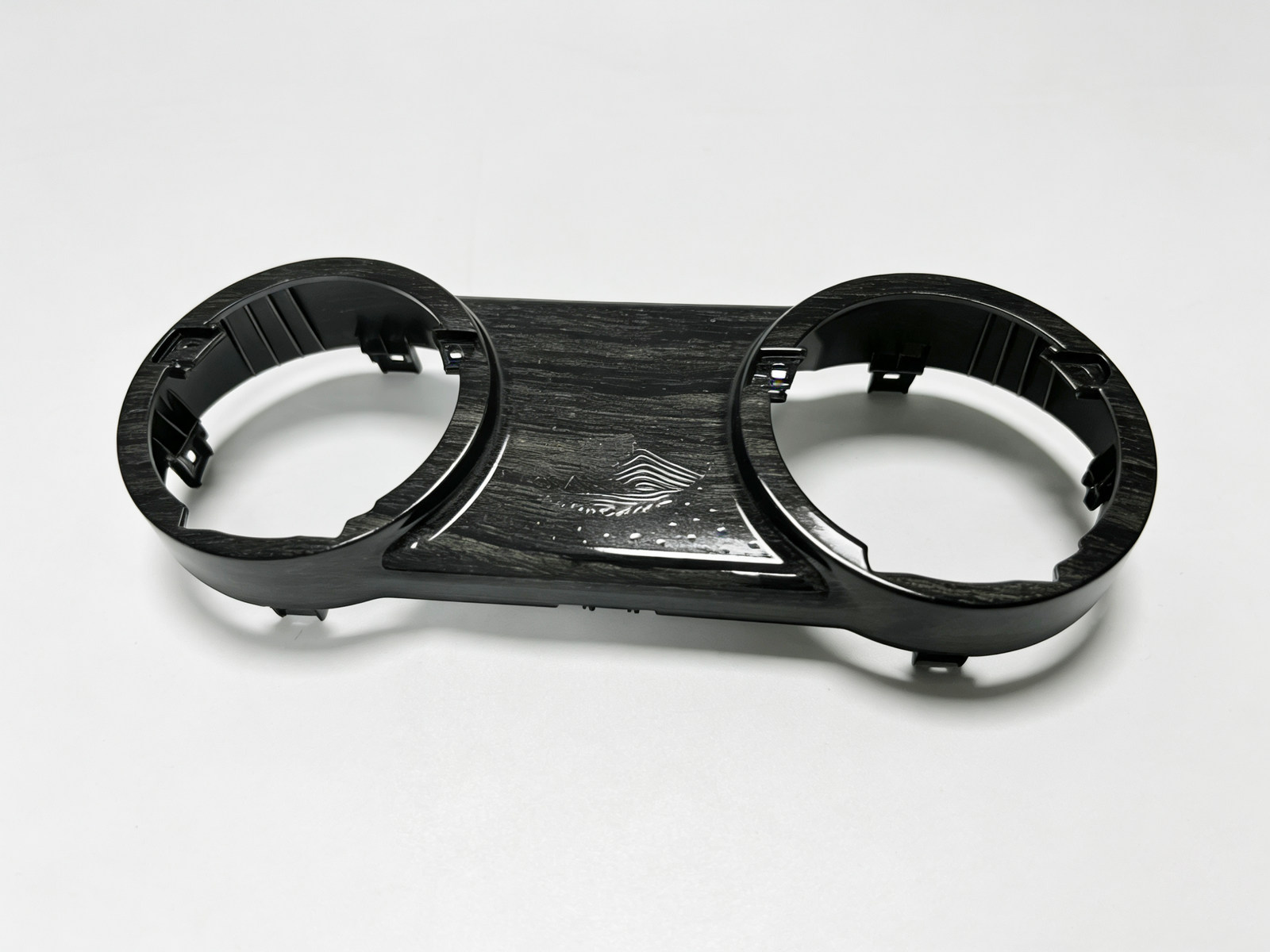
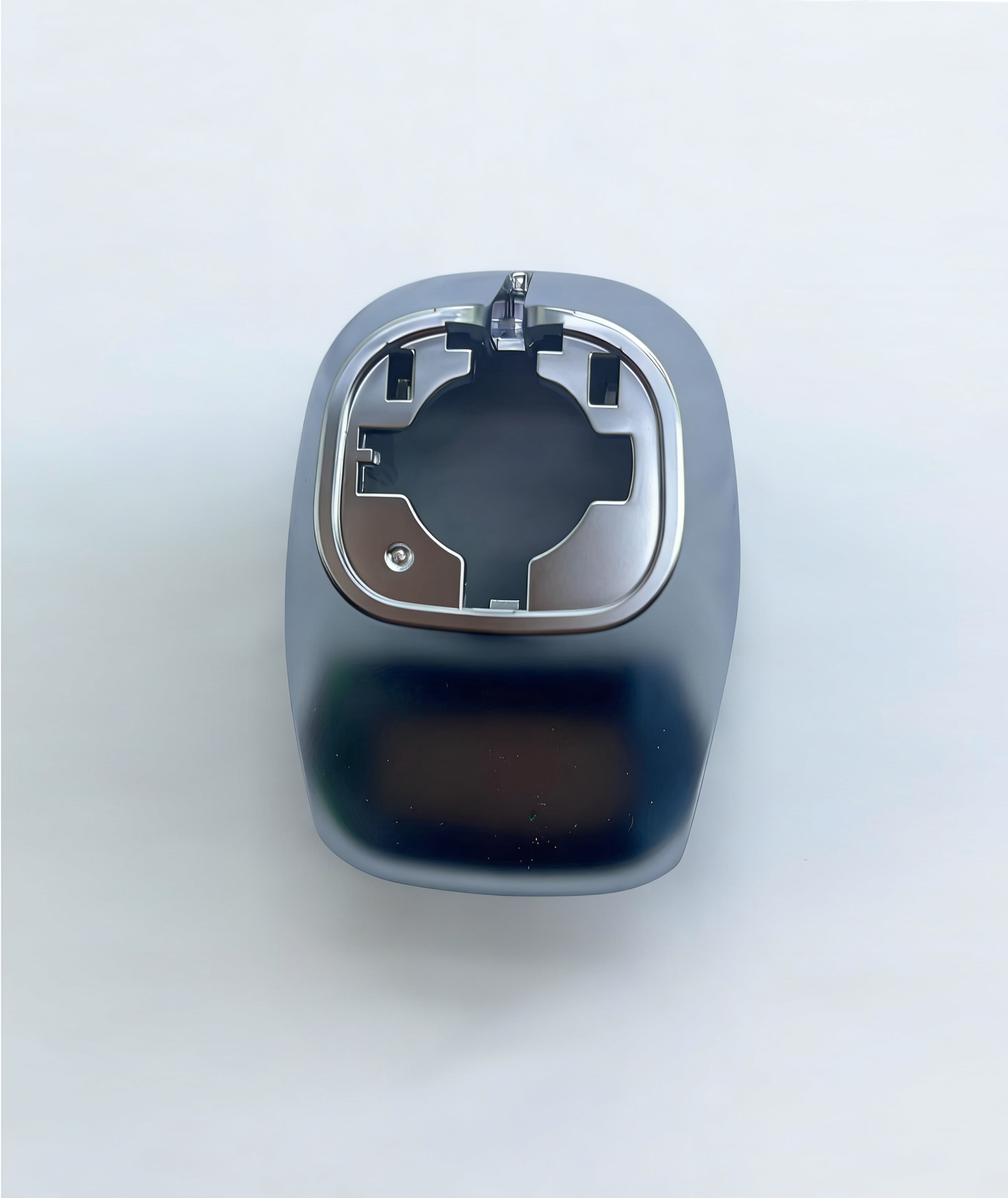
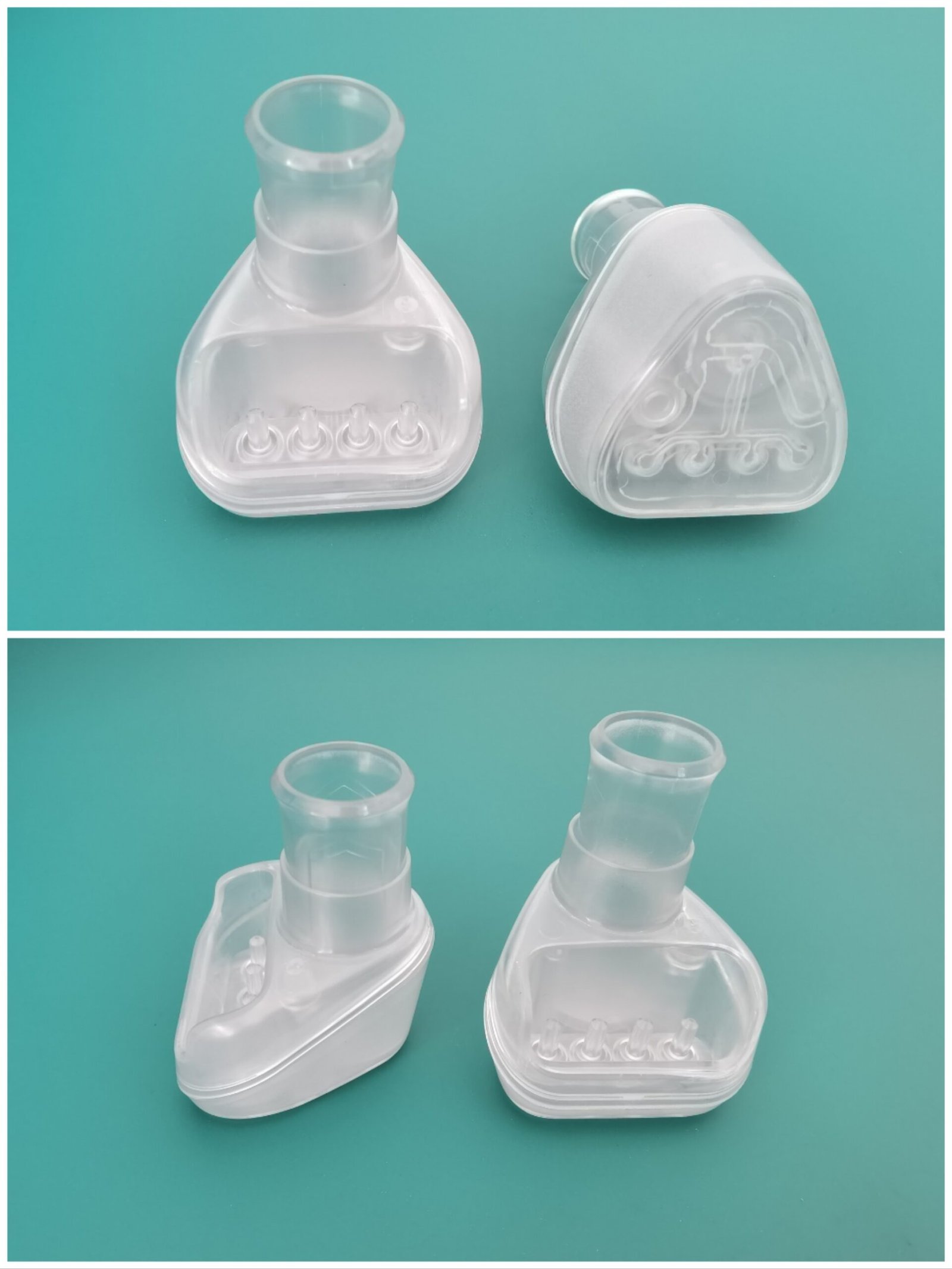
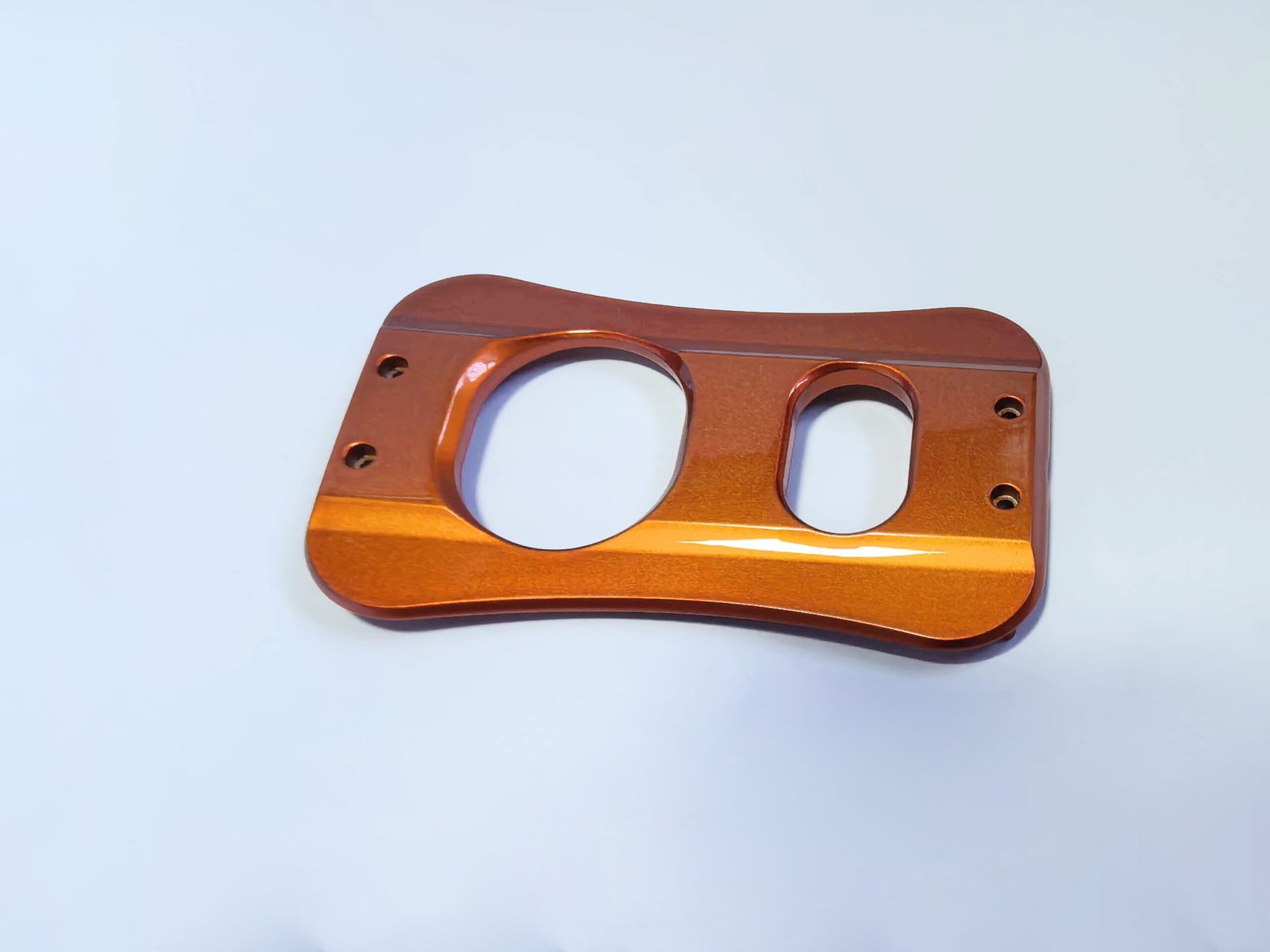
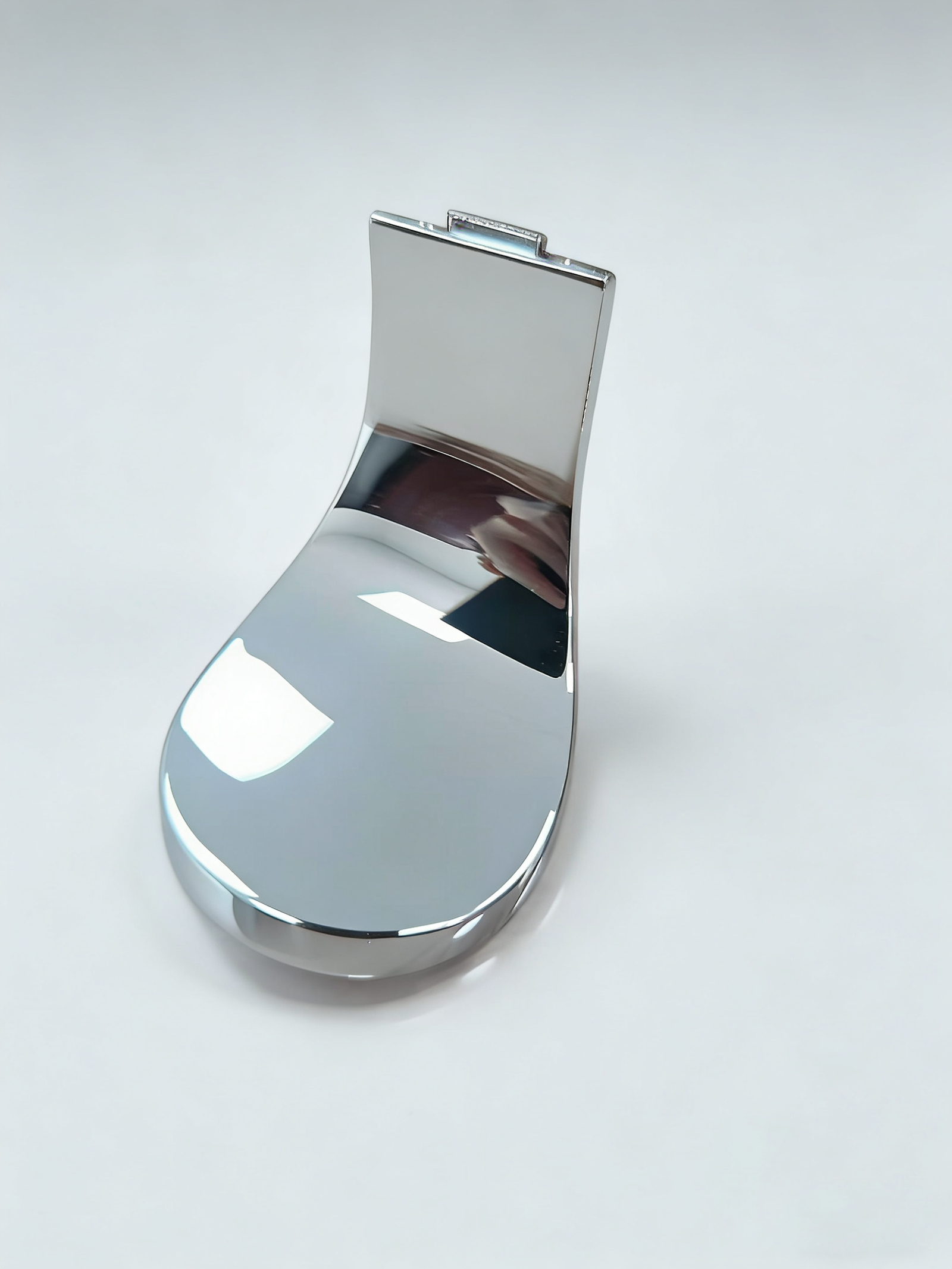
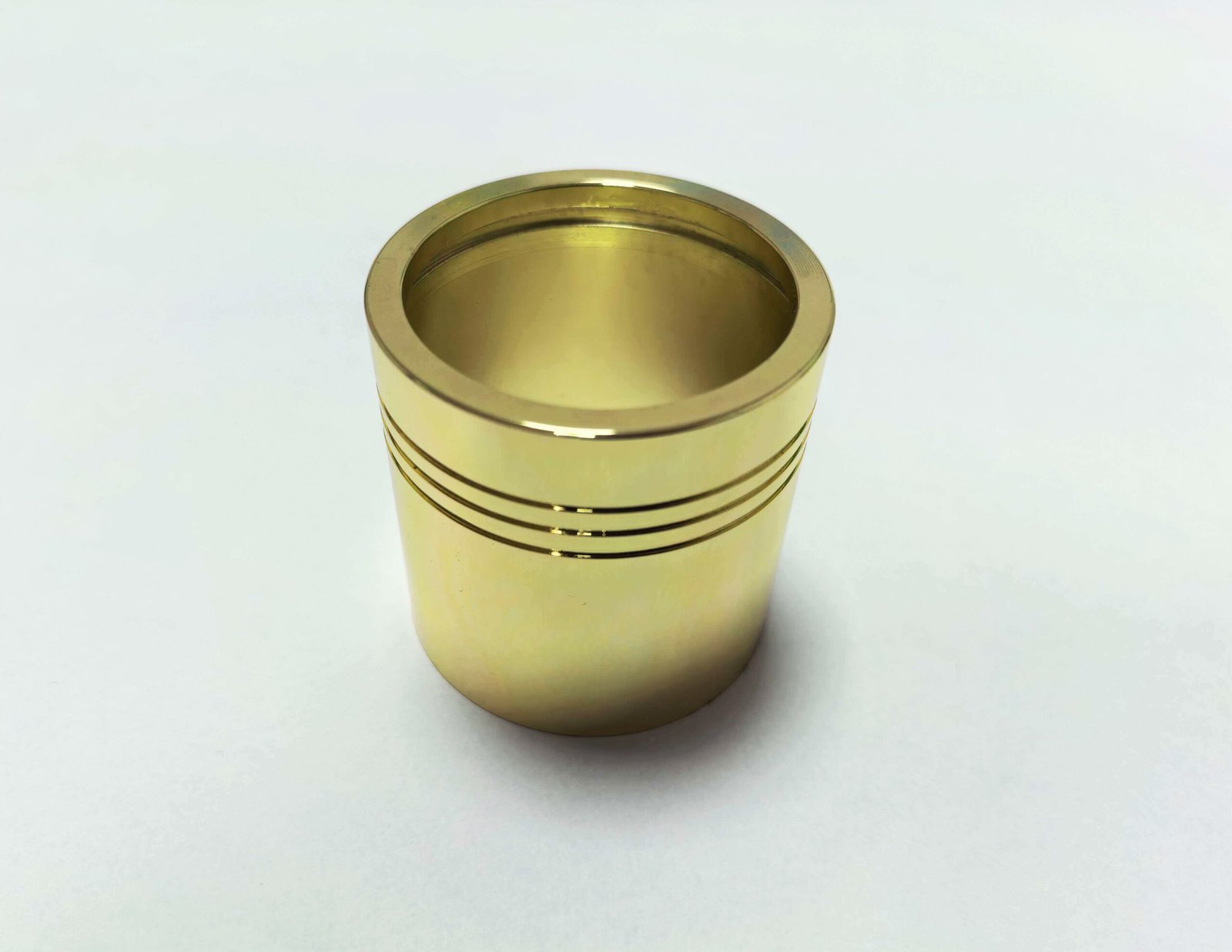
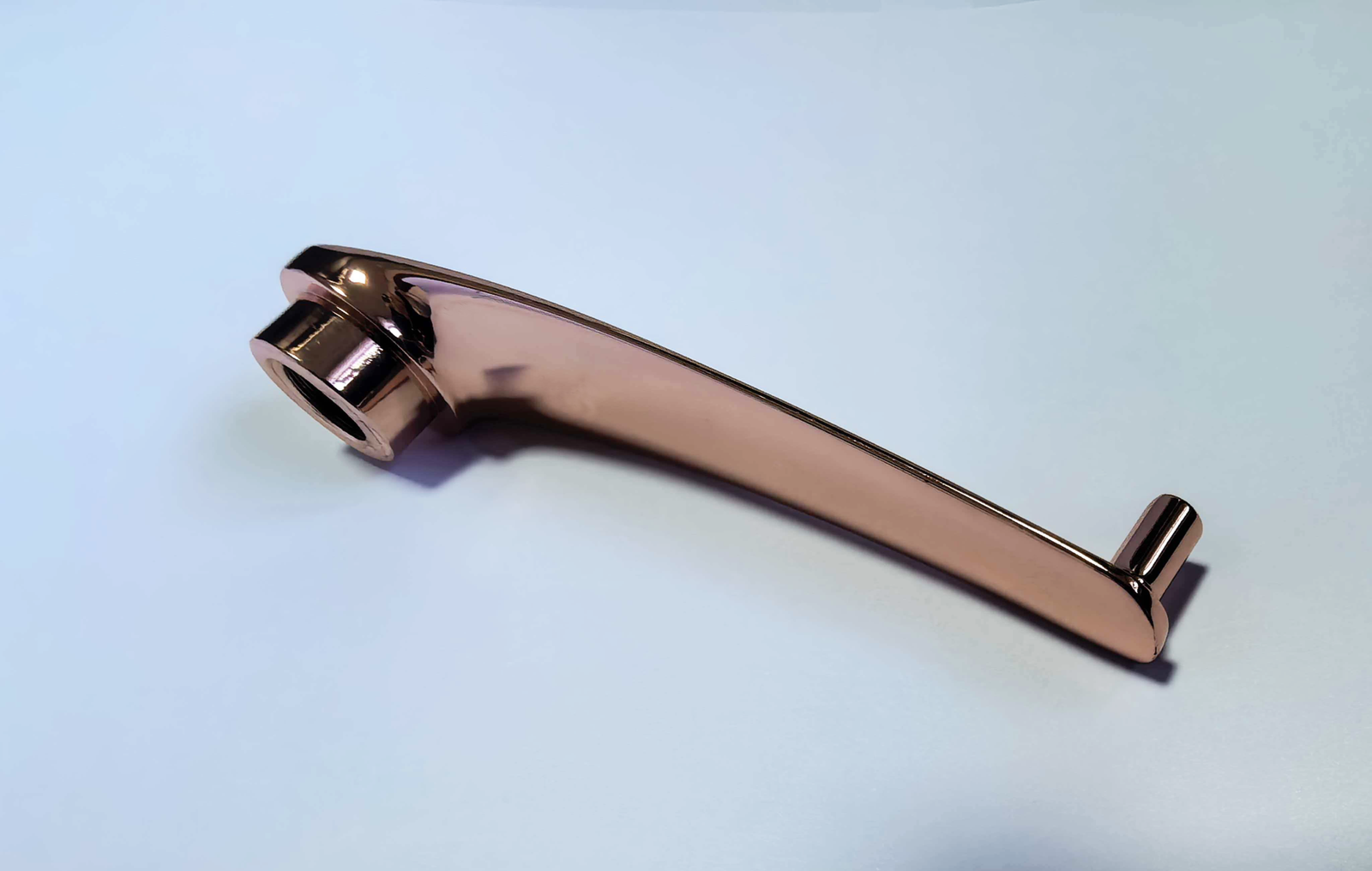
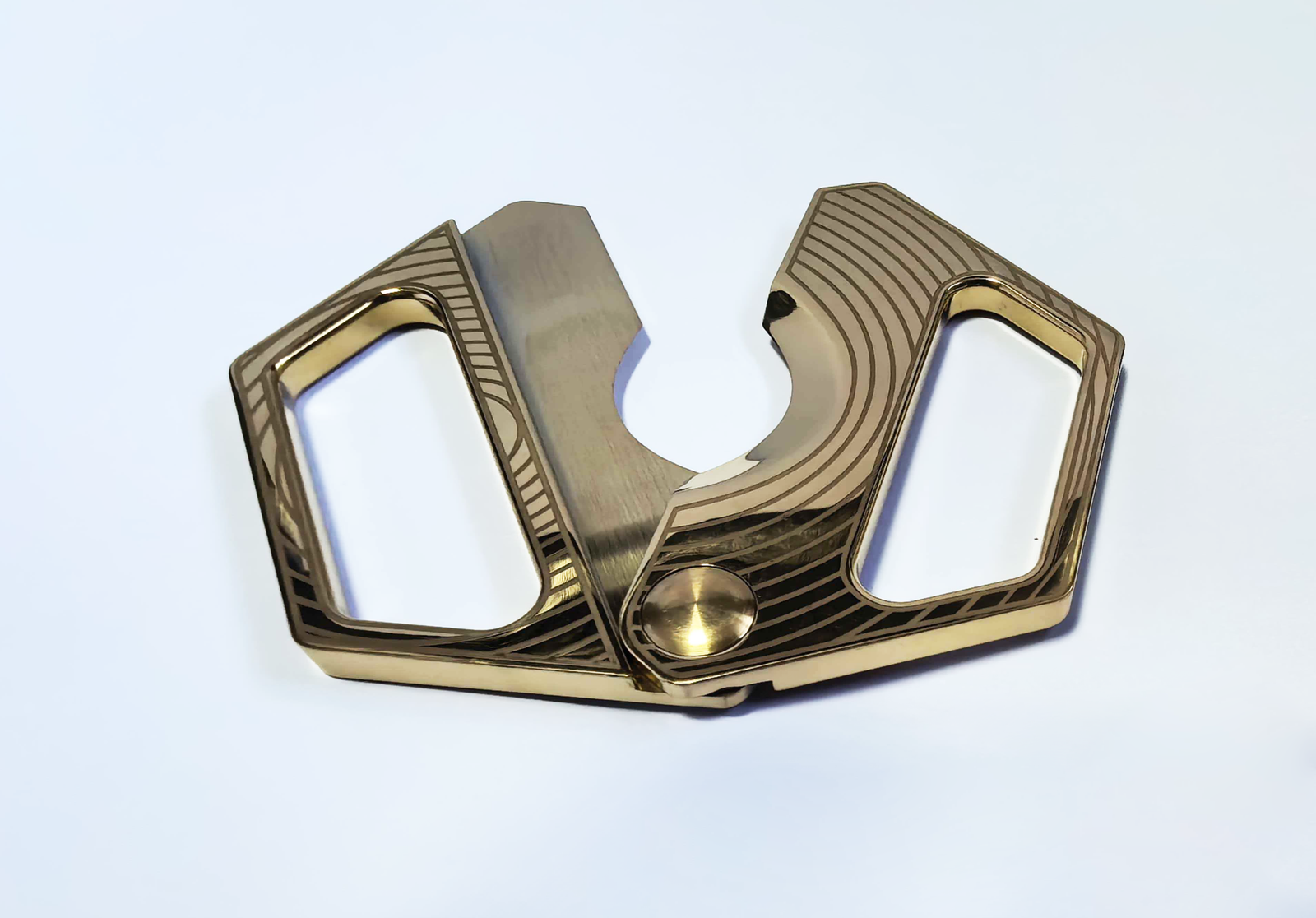
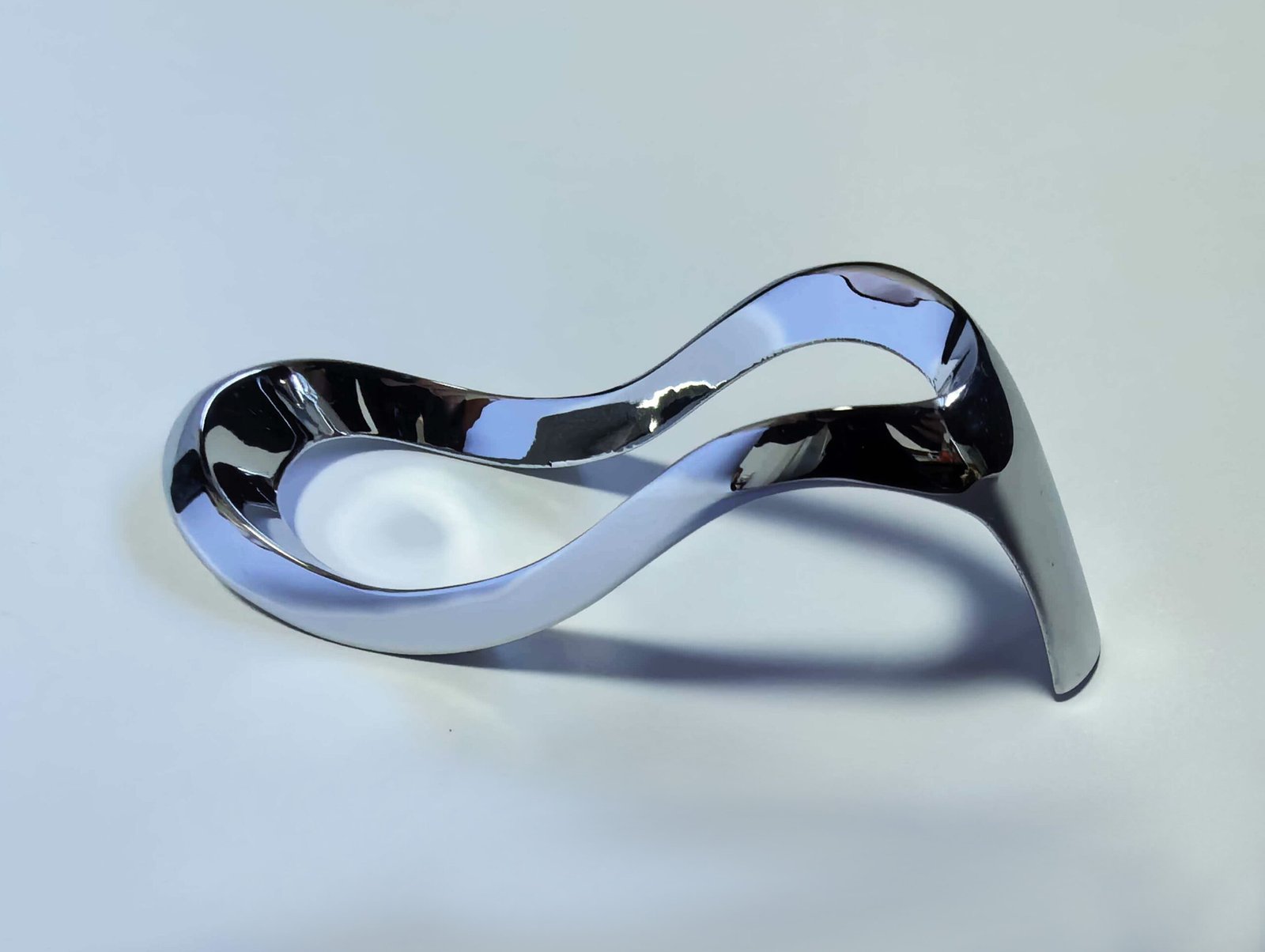
Secondary process

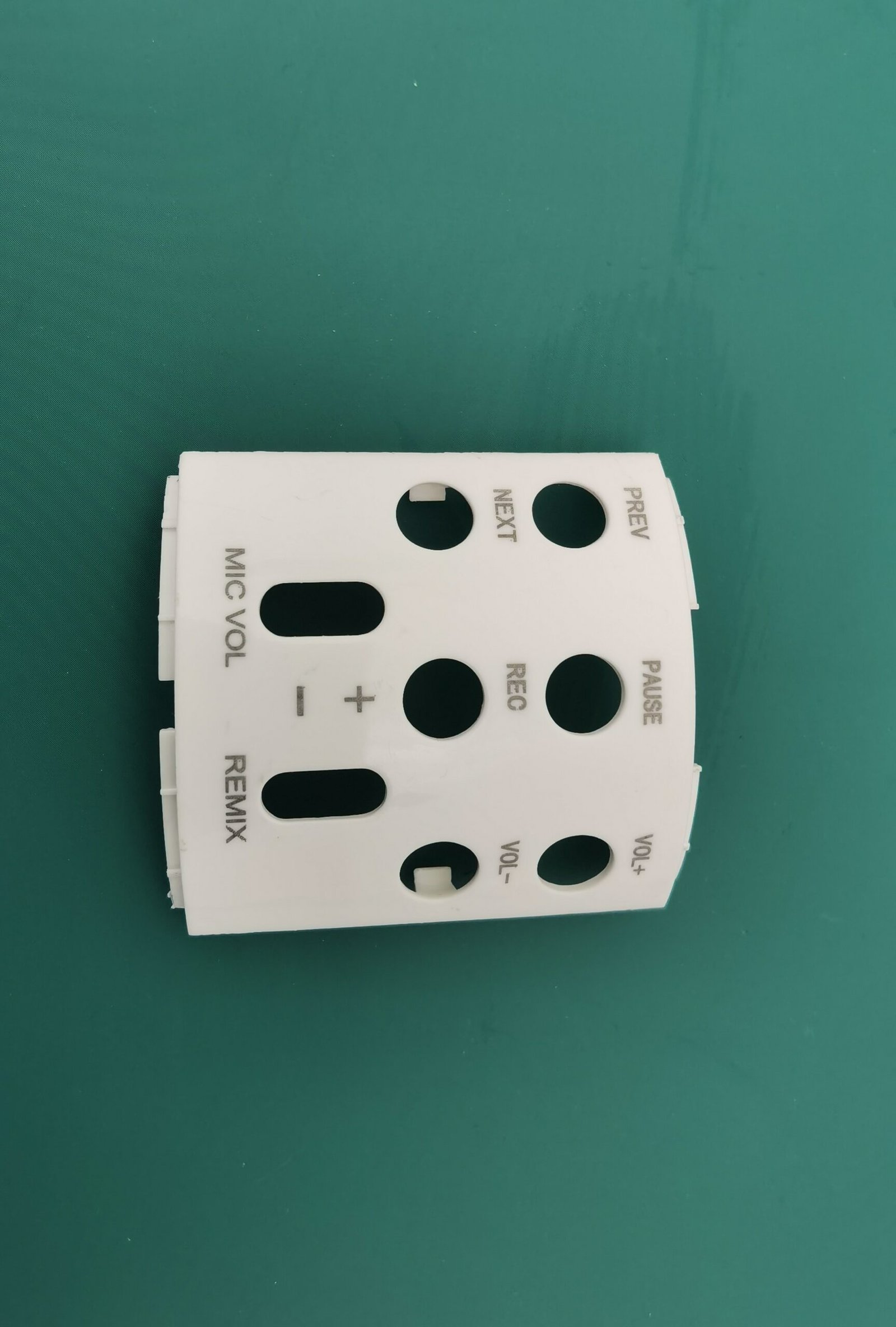
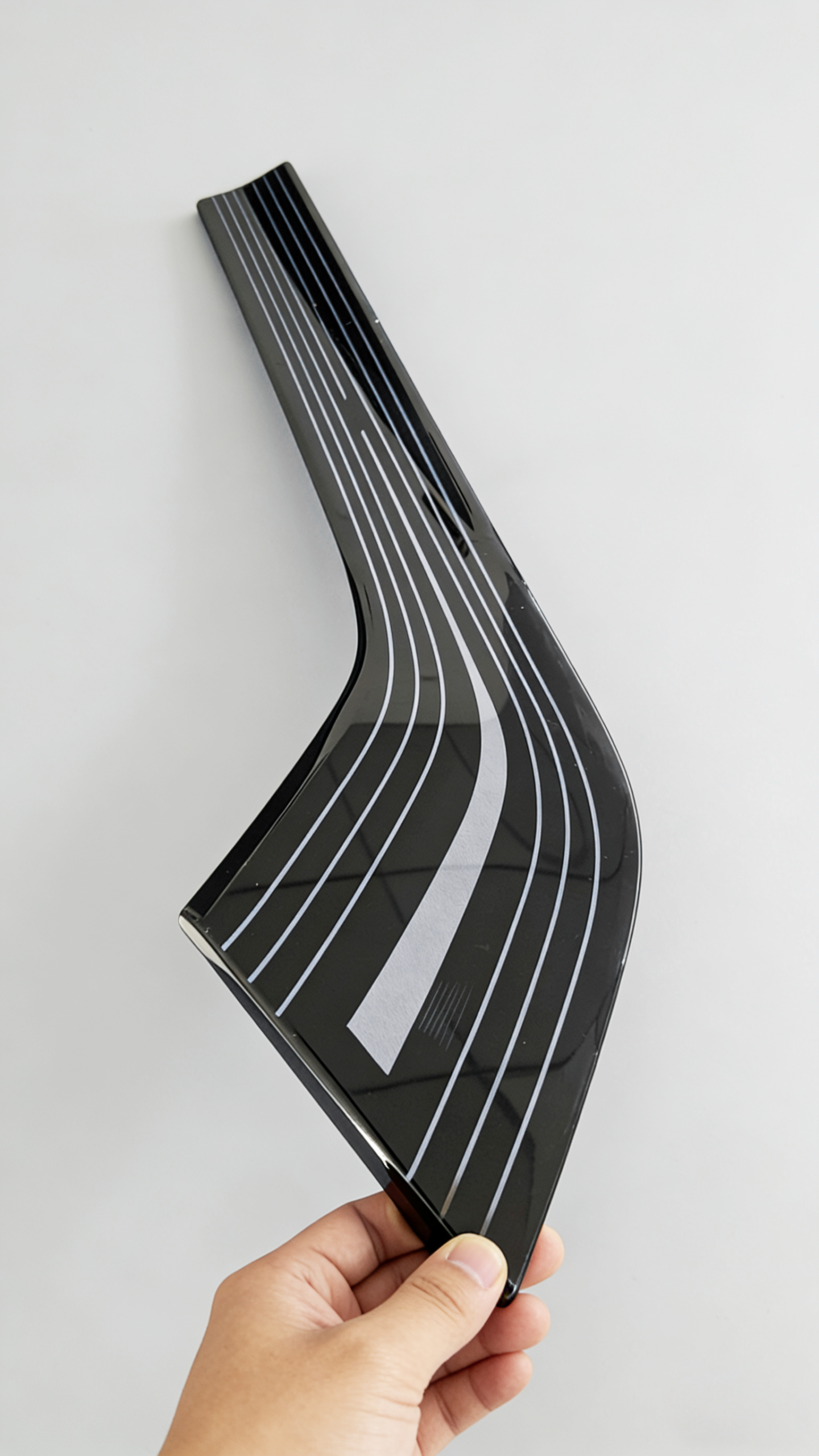
Product surface plating, product laser engraving、 spraying、 product ultrasonic assembly, product hot melt assembly...

Secondary Processes

Ultrasonic surface processing utilises the cold plasticity characteristics of metals at room temperature, employing ultrasound to carry out grinding, strengthening and minor deformation treatment on metal parts surfaces without the use of abrasives, enabling the surface of metal parts to achieve a more ideal surface roughness. It can also be vividly described as using ultrasound to smooth the surface of parts; at the same time, it generates compressive stress on the surface, improving the microhardness, wear resistance and corrosion resistance of the part surface, thereby extending fatigue life.

  • Ultrasonic surface machining

    Purpose  Increase hardness, wear resistance and corrosion resistance, and prolong lifespan

  • Principle 

    Increase hardness, wear resistance and corrosion resistance, and prolong lifespan

Start a New 3D printing quote online We accept a wide range of 2D and 3D file formats, including IGES (.igs), STEP (.stp), DXF (.dxf), DWG (.dwg), and Parasolid (.x_t, .x_b). For any upload issues,
please contact us for assistance.
20,000+ customers in over 120 countries & regions trust Formexmold to manufacture their custom parts

Secondary Processes

I. Overview of Hardware Electroplating

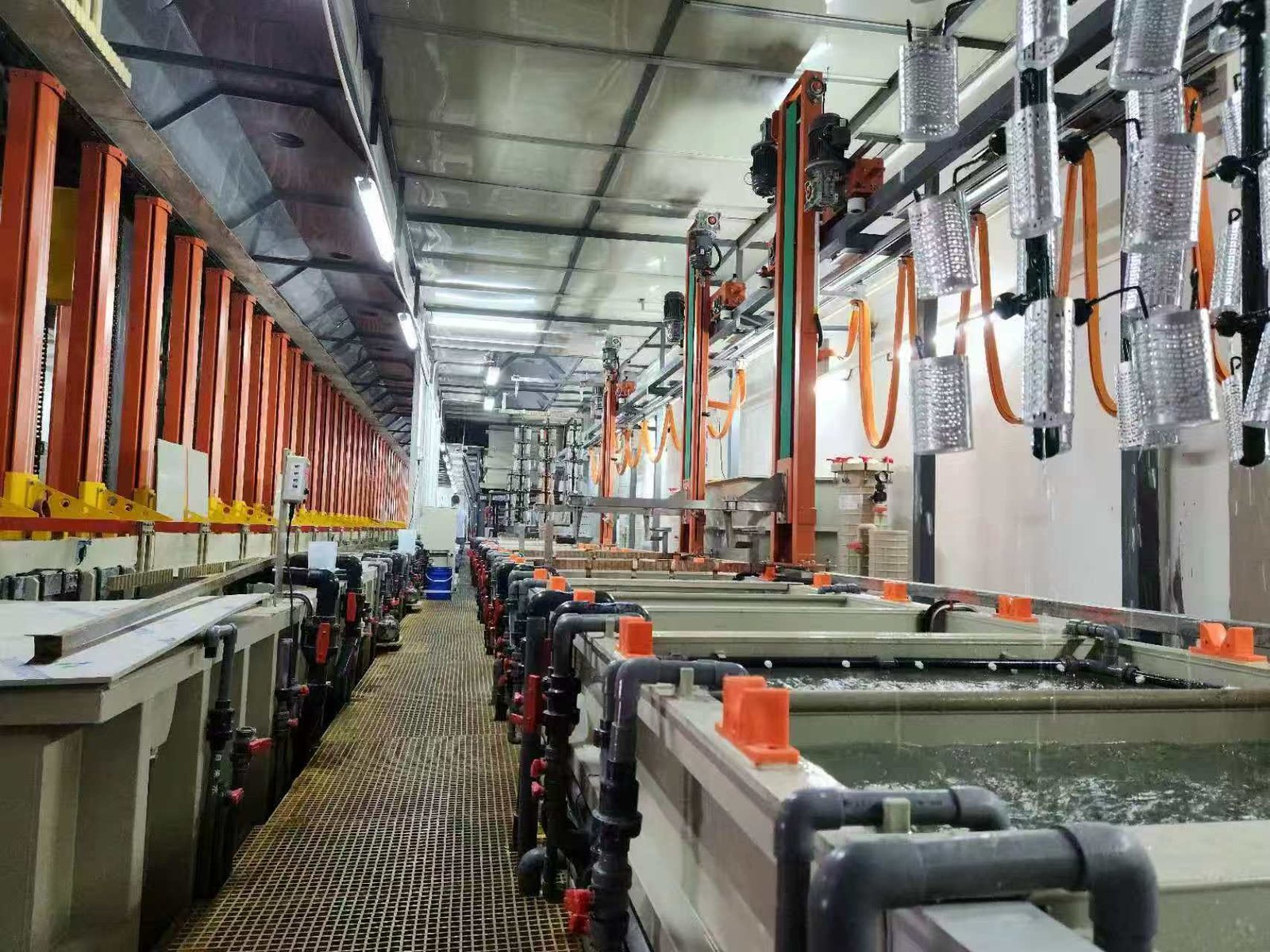
Hardware electroplating is a surface treatment process that deposits a dense metal coating on the surface of metal hardware workpieces based on electrochemical principles. It is widely applied to stamped parts, die-cast hardware, fasteners, mold accessories, door & window hardware, bathroom hardware and other metal products. Electroplating delivers multiple benefits simultaneously including rust and corrosion resistance, improved wear resistance and surface hardness, decorative brightening, electrical conductivity or insulation enhancement, and stronger coating adhesion. It serves as a core finishing procedure that extends the service life and elevates the surface texture of hardware products.

II. In-Depth Professional Explanation
1. Fundamental Electroplating Principles

The hardware workpiece to be processed acts as the cathode, while the raw material of the coating metal serves as the anode. Both are immersed in specialized electroplating electrolyte. After direct current is applied, metal ions inside the electrolyte migrate evenly under the electric field and deposit onto the hardware surface, forming a firmly bonded, thickness-controllable thin metal film that fully covers the inner and outer surfaces of the workpiece.Unlike spray coating and electrophoretic coating, electroplated coatings form a metallurgical bond with the substrate, resisting peeling and flaking, and delivering far stronger adhesion than paint-based surface treatments.

2. Complete Hardware Electroplating Process Flow

Pre-treatment (Critical to Electroplating Quality)

  • Degreasing & Oil Removal: Eliminate stamping oil, anti-rust grease, fingerprint contaminants on hardware surfaces to prevent pinholes and blisters in the coating.

  • Pickling & Descaling: Remove oxide scales, rust spots and blackened layers to activate the metal substrate.

  • Sanding & Polishing / Barrel Polishing: Rough polishing removes burrs and scratches; fine polishing optimizes substrate smoothness for a superior mirror finish after electroplating.

  • Multi-stage Water Rinsing: Pure water rinsing between each procedure to avoid cross-contamination of chemical solutions and defective products.

Core Electroplating Stage Select the corresponding plating solution according to product requirements, and precisely control current, temperature and plating time to accurately regulate coating thickness. Barrel plating is adopted for small bulk hardware such as screws, nuts and springs; rack plating is used for large-sized or precision appearance parts including bathroom handles, decorative hardware and furniture hardware.

Post-treatment
  • Recovery Rinsing: Recycle electroplating solution for environmental protection and cost savings.

  • Passivation & Sealing: Zinc-plated and nickel-plated workpieces undergo passivation to produce blue-white zinc, colored zinc or black zinc finishes, drastically boosting corrosion resistance; copper-plated and chromium-plated parts are sealed to resist oxidation.

  • Drying, Inspection & Sorting: High-temperature drying eliminates water stains; inspect for color difference, coating peeling, salt spray performance and dimensional tolerances.

3. Mainstream

Electroplating Coatings & Application Scenarios (Core Product Introduction for Hardware Factory Official Website)Zinc Plating (Most Universal Anti-Corrosion Plating)Advantages: Low cost and outstanding rust resistance; passivated coatings can withstand salt spray testing for dozens to hundreds of hours.Finishes: Blue-white zinc, colored zinc, black zinc, black passivation.Applications: Screws, bolts, stamped brackets, furniture hardware, construction fasteners, small automotive chassis hardware.Nickel Plating (Undercoating + Dual-Purpose Decorative & Wear-Resistant Finish)Classified into semi-bright nickel, bright nickel and matte nickel. The coating features fine, even texture, high hardness and excellent wear resistance. It is commonly used as an intermediate underlayer for chromium plating and gold plating to isolate substrate oxidation.Applications: Bathroom hardware, electronic spring plates, mold accessories, luggage hardware, precision instrument components.Chromium Plating (High-Gloss Decoration & Ultra-High Hardness Wear Resistance)Bright chromium delivers mirror-like gloss, smooth touch, extreme hardness and strong scratch resistance. Hard chromium can significantly extend the wear service life of workpieces.Applications: Door & window handles, bathroom faucet fittings, decorative furniture hardware, mechanical shafts, wear-resistant mold surfaces.

Copper Plating (Base Undercoating)

Divided into cyanide copper and acid copper plating. It fills minor scratches on workpieces and improves adhesion of subsequent coatings, and is rarely used as a standalone top finish.Matching Processes: Serves as an underlayer prior to nickel plating, chromium plating or gold plating.Gold / Silver Plating (High-End Conductive & Decorative Coatings)Exceptional electrical conductivity and oxidation resistance. Mainly used for electronic connectors, precision conductive hardware and high-end decorative hardware.Alloy Electroplating (Zinc-Nickel, Nickel-Cobalt, etc.)Superior anti-corrosion performance with far better salt spray resistance than standard zinc plating, suitable for outdoor, marine and automotive hardware requiring high corrosion protection.

4. Core Advantages Electroplating Brings to Hardware Products
  • Long-Lasting Rust & Corrosion Resistance

    The coating isolates air, moisture, acids and alkalis to prevent oxidation and rust of iron, steel and zinc alloy substrates, multiplying the service life of products used outdoors or in humid environments.

  • Enhanced Aesthetics & Product Grade

    It achieves matte, mirror, colored, black and other surface textures, eliminating dullness, scratches and blackening of raw hardware blanks, and greatly raising the premium of decorative hardware.

  • Improved Physical Properties

    Chromium plating and hard nickel increase surface hardness for wear and scratch resistance; gold and silver plating optimize electrical conductivity; certain coatings reduce friction coefficients.

  • Remedy Minor Surface Defects

    Thin coatings fill slight scratches and pinholes on workpieces to improve surface flatness.

  • Controllable Dimensions & Stable Processing

    Coating thickness can be controlled at the micron level, ensuring high consistency in mass production and compatibility with standardized hardware manufacturing.

5. Applicable Hardware Product Categories

Construction hardware, bathroom hardware, furniture hardware, door & window hardware, precision electronic hardware, automotive parts, fasteners (screws, springs), luggage & leather goods hardware, mechanical equipment accessories, die-cast zinc alloy / aluminum alloy / iron & steel hardware components.

III. Strengths of Our Hardware Electroplating Service
  • One-stop hardware electroplating processing with full coverage of barrel plating and rack plating technologies, delivering uniform coatings with strong adhesion.

  • Rigorous pre-treatment plus standardized passivation and sealing procedures to meet salt spray standards, providing durable rust protection and anti-peeling performance.

  • Diverse coating processes available to satisfy anti-corrosion, wear-resistant and decorative requirements for all types of metal hardware.

  • Environmentally compliant electroplating production lines, fast mass delivery and stable, controllable product quality.

IV. Supporting FAQ
What is the difference between electroplating and spray coating?

Electroplating forms a thin metal layer via metal ion deposition, featuring strong adhesion, superior wear resistance and corrosion resistance. Spray coating creates a paint film that is prone to scratching, with weaker anti-corrosion performance and shorter service life compared to electroplating.

 
Why do blisters or peeling occur on electroplated hardware?

This issue is mostly caused by incomplete removal of oil and rust on workpieces due to inadequate pre-treatment. Professional electroplating manufacturers adopt multi-stage degreasing and pickling processes to eliminate such defects.

What is the standard coating thickness?

Decorative hardware generally features a coating thickness of 5–20 micrometers. Hardware for outdoor high-corrosion environments uses thickened coatings combined with passivation treatment.

Translation Notes
  1. Industry Terminology Uniformity: Adopted internationally recognized hardware & electroplating technical terms (e.g., passivation ,salt spray,barrel plating,rack plating ) for factory official website scenarios.

  2. Sentence Style: Adjusted Chinese long complex sentences into concise, logic-driven English technical paragraphs suitable for corporate introduction.

  3. Noun Consistency: “Hardware” uniformly refers to hardware in industrial context without redundant modification; “workpiece” stands for.

  4. Unit Translation: Retained micrometer  as μm in technical description, consistent with international industry standards.

        Molds are indispensable and crucial tools in industrial production, widely used in fields such as household appliances, automobiles, electronic devices, and medical equipment. The texture and patterns on mold surfaces play a vital role in product quality and appearance. With the rise in consumer spending levels, traditional mold engraving methods have certain limitations and fail to meet the demands for fine texture and complexity in high-end products. The emergence of laser engraving technology for molds has introduced entirely new possibilities for mold surface treatment.

Principle of Laser Etching Technology for Molds

3.1 Laser emission

The laser produces a high-intensity, high-energy laser beam. These laser beams are typically generated by laser diodes, solid-state lasers, or gas lasers.
3.2 Laser Focusing
The laser beam passes through an optical system, such as a lens or mirror, and is focused into a very small laser spot. The focused energy density determines the depth and accuracy of the etching pattern.
3.3 Surface irradiation of molds
The focused laser beam is irradiated onto a specific position on the surface of the mold. The interaction between the laser beam and the mold surface causes the melting, evaporation, or peeling of the material, resulting in the formation of the desired patterns and textures.
3.4 Movement and Control
Molds are usually combined with CNC machine tools or laser etching machines to achieve etching of the mold surface by controlling the relative motion between the laser beam and the mold. These movements can be the rotation, translation, or tilting of the mold.
3.5 Coordination and Control
Through advanced computer control systems, the laser source, optical system, and mold motion are coordinated and controlled. This enables the laser etching process to be carried out with very high precision and repeatability.
Mold laser etching technology utilizes the high energy and precise control of the laser beam to achieve high-precision etching of the mold surface, thereby forming fine patterns and textures. This non-contact processing method has the advantages of high efficiency, high precision, and repeatability, and has gradually become an important technology in the field of mold processing [4].

Application of Laser Etching Technology in Molds

4.1 Automotive Industry
Car mold is one of the important application areas of laser etching technology for molds, which is used for surface texture treatment of automotive interior parts, steering wheel, dashboard, door panels, seats and other components. By laser etching, various fine textures can be created, which can enhance the texture and aesthetics of car interior decoration, improve the appearance quality and comfort of the car. The laser etching effect on the mold is shown in Figure 2 [5]. 
4.2 Electronic Products
In high-end electronic products, mold laser etching technology is commonly used for pattern and texture processing on the shells of mobile phones, displays, projectors, tablets, and laptops. These patterns and textures not only enhance the visual appeal of the product, but also provide better hand feel and anti slip performance. The appearance texture of electronic products greatly enhances the user experience. Laser etching technology for molds can form delicate and uniform textures on electronic product casings, buttons, and displays, enhancing the appearance, texture, and quality of the product, and effectively enhancing its competitiveness among users’ numerous choices.
4.3 Medical Devices
The surface texture of medical devices has a significant impact on the hygiene and operability of products. Through mold laser etching technology, fine textures can be formed on the surface of medical device components during the manufacturing process, making it more comfortable for medical personnel to operate the medical device and easier to clean. At the same time, the delicate laser etching can effectively improve the antibacterial properties of the product.
4.4 Furniture and Supplies
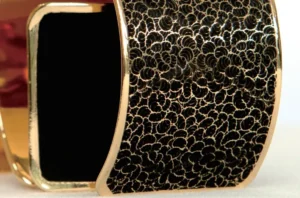
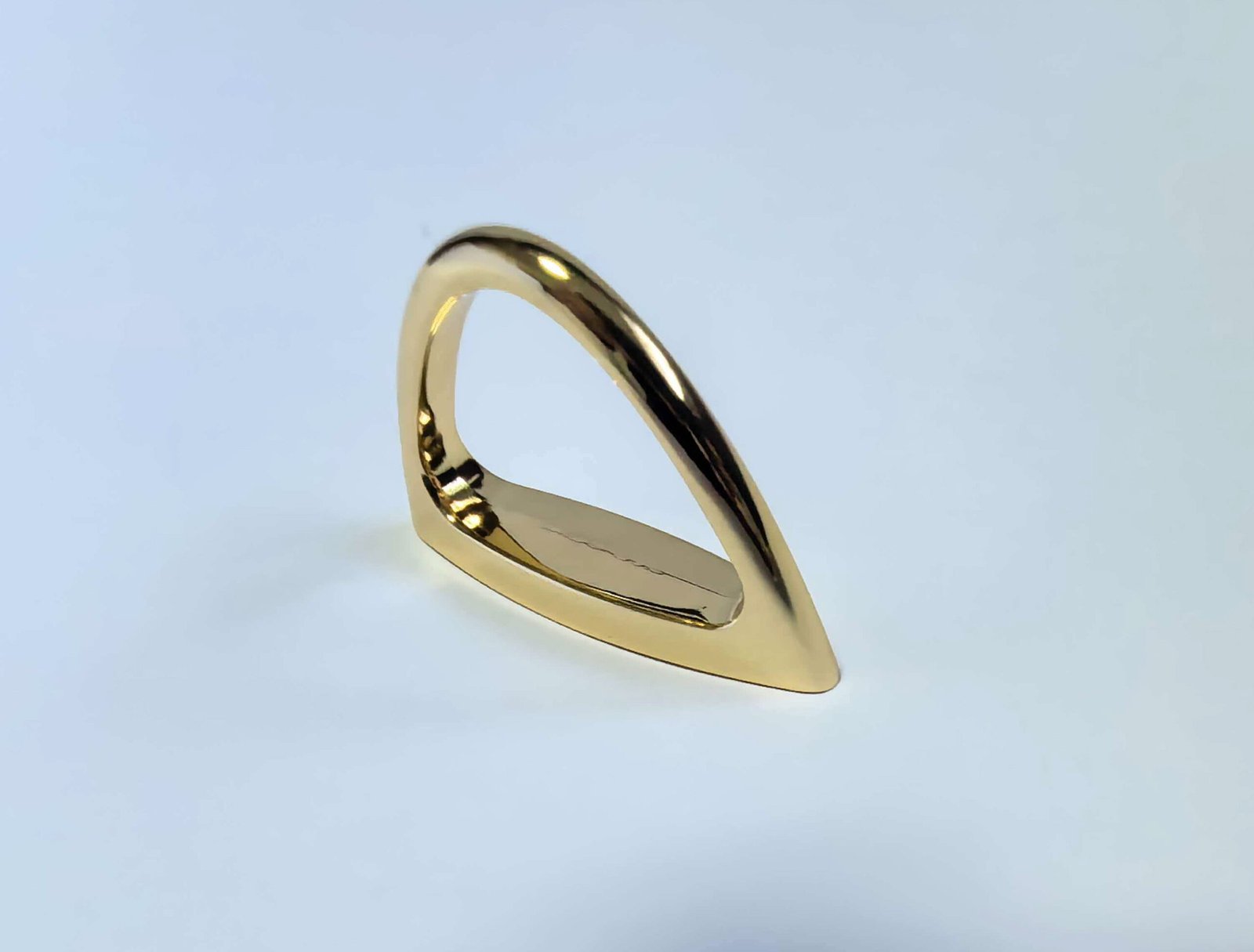
The application of mold laser etching technology in household products is also receiving increasing attention. For example, texture treatment can be applied to the surfaces of furniture, lighting fixtures, and kitchen supplies to give them higher texture and artistic value. The laser etching effect on jewelry is shown in Figure 3.

I. Overview of Plastic Electroplating
Plastic electroplating, also known as plastic wet plating, is a surface treatment process. It involves special chemical roughening and catalytic conductive treatment on plastic products such as ABS, PC and ABS+PC, followed by electrochemical deposition of metal coatings. Ordinary plastics are non-conductive and cannot be electroplated directly. A conductive base layer must be formed first, then multiple metal layers including copper, nickel and chromium are plated sequentially.
Electroplated plastic parts combine the lightweight and easy molding advantages of plastics with metallic luster, wear resistance and anti-corrosion properties. Widely applied in electronics, home appliances, automotive parts, bathroom fittings, 3C digital products and decorative plastic accessories, it is a mainstream surface finishing process to upgrade product appearance and practical performance.
II. Complete Process Flow of Plastic Electroplating
The biggest difference between plastic electroplating and hardware electroplating lies in the non-conductive nature of plastics, which require a pre-formed chemical conductive underlayer. The whole process consists of four major stages: pre-treatment, chemical conductive plating, multi-layer metal electroplating and post-treatment.
1. Pre-treatment & Roughening (Core Step Determining Coating Adhesion)
  • Degreasing & Oil Removal: Clean mold release agents, fingerprints, oil stains and injection molding residues on plastic surfaces to prevent blistering and peeling of coatings.
  • Roughening Etching (Chromic Acid Roughening): A strong corrosive solution dedicated to ABS plastics creates microscopic pits and uneven textures on plastic surfaces. Subsequent metal layers interlock tightly with the substrate to avoid delamination. The solution formula is adjusted for PC/PC alloys to prevent product cracking.
  • Neutralization, Catalysis & Activation: Neutralize residual strong acid, immerse workpieces in palladium catalyst solution to attach trace palladium particles inside plastic micropores, which serve as reaction sites for chemical plating.
2. Chemical Plating (Conductive Base Layer, Unique to Plastic Electroplating)
Relying on chemical reduction reactions without power supply, a thin layer of electroless copper or electroless nickel is evenly deposited on workpiece surfaces. This turns insulating plastic into a fully conductive substrate, acting as a transitional foundation for subsequent electroplating. The thin and uniform coating can fully cover complex curved surfaces, deep holes and fine textures.
3. Multi-Layer Metal Electroplating (Stacked Functional Metal Coatings)
  • Acid Copper Undercoat: Fills minor scratches and injection molding marks on plastics to improve surface flatness for an exquisite mirror finish. Copper features good ductility to buffer thermal expansion and contraction, lowering the risk of delamination between plastic and metal layers.
  • Intermediate Nickel Plating: Divided into bright nickel, semi-bright nickel and matte nickel. It provides isolation and anti-corrosion effects to block oxidation of the copper layer, while boosting surface hardness and wear resistance.
  • Top Chromium Plating: The outermost decorative protective layer. Bright chromium delivers mirror-like metallic silver luster; matte chromium and black chromium create elegant matte finishes with high hardness, scratch resistance and acid-alkali corrosion resistance.

    Special coatings such as gold plating, silver plating, gunmetal plating and pearl nickel plating can be added for high-end products.

4. Post-Treatment & Inspection
Multi-stage pure water rinsing to remove residual bath liquid, sealing treatment for anti-oxidation, low-temperature drying (temperature strictly controlled to avoid plastic deformation). Full visual inspection for color difference, pitting, blistering, peeling and missing plating. Salt spray test, cross-hatch adhesion test and abrasion test are conducted to verify quality.
III. Common Platable Plastic Materials
  • ABS Plastic: Optimal electroplating performance with uniform roughening, stable adhesion and moderate cost. The top choice for home appliance housings, decorative parts and digital device casings.
  • ABS+PC Alloy: Superior strength and heat resistance to pure ABS, widely used in automotive components and high-end 3C housings.
  • PC Plastic: High rigidity requiring stricter roughening procedures, suitable for high-temperature resistant structural plastic parts.
  • Modified Nylon & PP (Small Batch): Require dedicated activation processes, mostly used for special industrial accessories.
IV. Main Coating Finishes & Applications for Plastic Electroplating
Bright Chrome Plating (Copper + Semi-Bright Nickel + Bright Nickel + Bright Chrome)
Mirror-like glossy metallic silver finish, scratch-resistant and easy to clean.

Applications: Home appliance decorative strips, bathroom plastic fittings, automotive interior trim strips, digital casings, cosmetic mirror bases.

Matte Chrome / Pearl Nickel
Soft matte metallic texture with low reflectivity and premium minimalist style.

Applications: Vehicle interior parts, high-end small home appliances, plastic panels for smart locks.

Gunmetal Plating
Deep gray retro metallic tone with high recognizability.

Applications: Electronic product housings, plastic decorative buckles for bags, smart home accessories.

Black Chrome / Black Nickel
Solid black metallic finish with light shielding and fingerprint resistance.

Applications: Camera decorative rings, instrument panels, high-end digital accessories.

Gold & Silver Plating
Excellent electrical conductivity and oxidation resistance.

Applications: Plastic terminals for connectors, high-end gift decorative parts.

V. Core Advantages of Plastic Electroplating
1. Lightweight Metallic Appearance
Retain the lightweight and complex special-shaped molding strengths of plastic injection molding, while achieving metallic luster equivalent to stainless steel and aluminum alloy. Replacing metal parts greatly reduces product weight and production costs.
2. Firm Coating Adhesion with Low Peeling Risk
Combined with microporous interlocking from roughening and multi-layer composite metal structure, the coating passes cross-hatch tests without peeling and resists delamination & cracking under hot and cold temperature cycles.
3. Premium Decorative Effect for Higher Product Premium
Diversified metallic textures including mirror, matte, gunmetal, black and gold eliminate the cheap look of raw plastics and upgrade product grade.
4. Enhanced Protective Performance
Multi-layer copper-nickel-chromium composite coatings isolate air and moisture to resist oxidation, acid, alkali and sweat corrosion, preventing rust and discoloration during daily use.
5. Improved Surface Physical Properties
The top chromium layer features high hardness for scratch and abrasion resistance, reducing surface scratches on plastics. Gold and silver coatings offer electrical conductivity and electromagnetic interference shielding functions.
6. Compatibility with Complex Shapes
Plating solutions have strong permeability, enabling uniform coating coverage on plastic curved surfaces, grooves and fine textures, even for integrally injection-molded intricate structures.
VI. Scope of Applicable Products
Automotive interior & exterior plastic parts, decorative housings for home appliances, 3C digital plastic casings, smart wearable accessories, plastic bathroom handles/decorative covers, beauty instrument housings, plastic bag fasteners, smart home panels, high-end decorative toy parts, plastic brackets for electronic connectors.
VII. Supporting FAQ
Why cannot plastics be electroplated directly?
Plastics are insulating materials that cannot conduct electric current. Roughening and electroless plating are required to form a conductive layer before conventional electrochemical electroplating can proceed.
What causes blistering on electroplated plastics?
It is mainly triggered by uncleaned injection mold release agents, insufficient roughening time or excessive internal stress of workpieces. Standardized complete pre-treatment procedures are adopted by formal manufacturers to eliminate plastic internal stress in advance and avoid such defects.
Will plastic electroplating add much weight to products?
Metal coatings are only several micrometers thick, resulting in negligible weight gain that barely affects the overall weight and assembly dimensions of plastic parts.
Translation Notes
  1. Consistent electroplating industry terminology conforming to international factory website standards: electroless plating,cross-hatch test,salt spray test,chromic acid roughening.
  2. Technical long sentences split into concise English paragraphs suitable for corporate official display.
  3. Special plastic alloy names and finish colors adopt universal overseas industrial expressions.
  4. Process logic aligned with original Chinese text without information omission.
I. Complete Standard Process Flow of Plastic Spray Coating

Common plastic substrates include ABS, ABS+PC, PC, PP, Nylon, TPU and others. Adhesion solutions vary for different materials. The full coating process consists of four major stages: pre-treatment, spray coating, baking & curing, post-inspection.

1. Pre-Treatment (Core Step to Prevent Paint Peeling & Flaking)
  • Dust Removal & Degreasing: An electrostatic dust gun removes surface dust and lint; solvent wiping eliminates mold release agents, oil stains and fingerprints to avoid craters, pinholes and oil spots after spraying.

  • Substrate Activation (For Low-Adhesion Plastics Only)

    Low-surface-energy plastics such as PP, Nylon and TPU require flame treatment or primer coating to boost bonding force between paint and plastic. Conventional ABS can be sprayed directly without activation.

  • Masking Protection

    Apply high-temperature masking tape and silicone fixtures on non-spray areas including conductive contacts, assembly buckles and screw posts to preserve assembly dimensions and product functionality.

2. Layered Spraying Process (Single or Multi-Layer Coating as Required)
  • Primer Spraying: Apply primer to light-colored products, parts with poor hiding power or blanks with obvious color difference. It fills minor flow marks and weld lines while enhancing topcoat adhesion and color uniformity.

  • Topcoat Spraying: The core decorative layer. Mix customer-specified solid colors, metallic tones, pearlescent finishes and matte effects. Spray evenly with atomized spray guns and control film thickness for consistent color.

  • Functional Clear Coat (Optional)

    Rubber Touch Paint (Soft-Feel Coating): Overlaid on topcoat; forms a delicate matte, skin-friendly, anti-slip and fingerprint-resistant finish after drying.

    UV Gloss / Matte Varnish: Delivers high gloss, superior abrasion resistance and alcohol resistance with ultra-fast curing under UV light.

    Transparent Protective Varnish: Brightens appearance, isolates sweat and corrosive substances to extend service life.

3. Baking & Curing

Match baking temperature to paint types: Conventional PU plastic paint requires low-temperature baking (40°C–60°C) to avoid plastic deformation. UV coatings cure instantly under UV lamps. Two-component paints undergo long constant-temperature baking for improved hardness and adhesion.

Temperature and duration are strictly controlled throughout the process to eliminate defects such as whitening, sagging, orange peel and color deviation.

4. Post-Treatment & Full Inspection

Remove masking fixtures and trim excess paint after cooling. Manual full inspection covers color difference, sagging, particles, missing coating and paint peeling. Sampling tests include cross-hatch adhesion, abrasion resistance, alcohol resistance and salt spray test; qualified products are stored in warehouse.

II. Common Plastic Coatings, Finishes & Applications

PU Solid Color Paint

Basic universal coating with abundant customizable shades and adjustable matte/gloss effects, stable adhesion and moderate cost.

Applications: Toys, small home appliance housings, daily plastic accessories.

Soft-Touch Rubber Paint

Matte velvety texture, anti-slip and fingerprint-proof with delicate tactile feel.

Applications: Phone cases, equipment grips, beauty instruments, remote control housings.

UV Gloss / Matte Varnish

High hardness, scratch resistance, sweat and alcohol resistance; available in mirror high-gloss or premium matte finish.

Applications: 3C digital casings, automotive plastic trim strips, high-end smart panels.

Metallic / Pearlescent Paint

Built-in metallic flash and fine pearlescent shimmer; cost-saving alternative to electroplating.

Applications: Automotive interior parts, digital decorative components, gift housings.

Transparent Protective Varnish

Preserves the original plastic base color while adding gloss and surface protection.

Applications: Transparent PC decorative parts, light-transmitting buttons.

Matte Paint

Uniform foggy surface with fingerprint resistance and minimalist premium texture.

Applications: Smart locks, Bluetooth earphone housings, industrial control instrument panels.

III. Core Advantages of Plastic Spray Coating

Rich Customizable Color & Finish Options

Customize any Pantone solid color, metallic glitter, pearlescent luster, gradient, matte, high-gloss, frosted and soft-touch finishes to create differentiated product appearances.

Conceal Injection Molding Defects

Effectively cover plastic surface flow marks, weld lines, scratches, color deviation and speckles, lowering injection molding standards and raising finished product yield.

Multi-Layer Protection Extending Service Life

The paint film isolates air, sweat, grease and mild acids/alkalis to resist oxidation and yellowing. UV and two-component coatings withstand repeated alcohol wiping without abrasion or color fading.

Improved Tactile Experience

Rubber coating eliminates the cheap hard plastic feel, delivers anti-slip grip and prevents fingerprint and oil buildup during long-term use.

Compatible with Most Plastic Materials

Dedicated primer and paint formulas are available for ABS, ABS+PC, PC, PP, TPU, Nylon and more. Uniform coating can be achieved on irregular curved surfaces, deep grooves and thin-walled components.

Cost-Effective & Eco-Friendly Alternative to Electroplating

Compared with plastic electroplating, spray coating requires lower production line investment and simpler processes with no risk of heavy metal pollution. It supports both small-batch and mass rapid production.

IV. Scope of Applicable Plastic Products

3C digital casings, Bluetooth earphone accessories, phone protective cases, automotive interior plastic parts, large & small home appliance housings, remote controllers, beauty instruments, smart lock panels, toys & gifts, plastic bag fasteners, industrial control equipment housings, daily home plastic accessories, wearable device casings.

V. Supporting FAQ

What is the difference between plastic spray coating and plastic electroplating?

Spray coating forms an organic paint film with abundant color options and low cost, mainly for decoration and protection. Electroplating creates a metallic layer with stronger metallic texture and superior wear & corrosion resistance, yet it only delivers metallic tones and cannot produce multi-color or soft-touch effects.

Why does paint peel off easily on sprayed products?

Main causes: Incomplete removal of workpiece oil contamination, missing primer for low-adhesion plastics such as PP and Nylon, insufficient baking temperature/duration, or mismatched paint and substrate. Formal spray coating manufacturers implement complete pre-treatment and primer processes to solve peeling issues.

What is the difference between UV coating and ordinary PU coating?

UV coating features higher hardness, better scratch & alcohol resistance and ultra-fast curing efficiency. PU coating offers softer tactile feel and supports soft rubber finishes, with low-temperature baking that rarely deforms plastics.

Translation Notes

  1. Uniform industry terminology compliant with international surface treatment standards: cross-hatch test,flow marks,weld lines,soft-touch paint,two-component paint

  2. Sentence structure optimized for corporate official website use; technical logic fully retained without information loss

  3. Plastic material names, coating effects and testing standards adopt universal English expressions for manufacturing industry

Ultrasonic surface processing

Secondary processing display of plastic parts
Secondary processing display of metal parts

Content

Content

Content

Content

Content

Low-Cost Injection Molding Leader

The Best Brands Put Their Trust in Formexmold

Upload a file to Get an Instant Quote