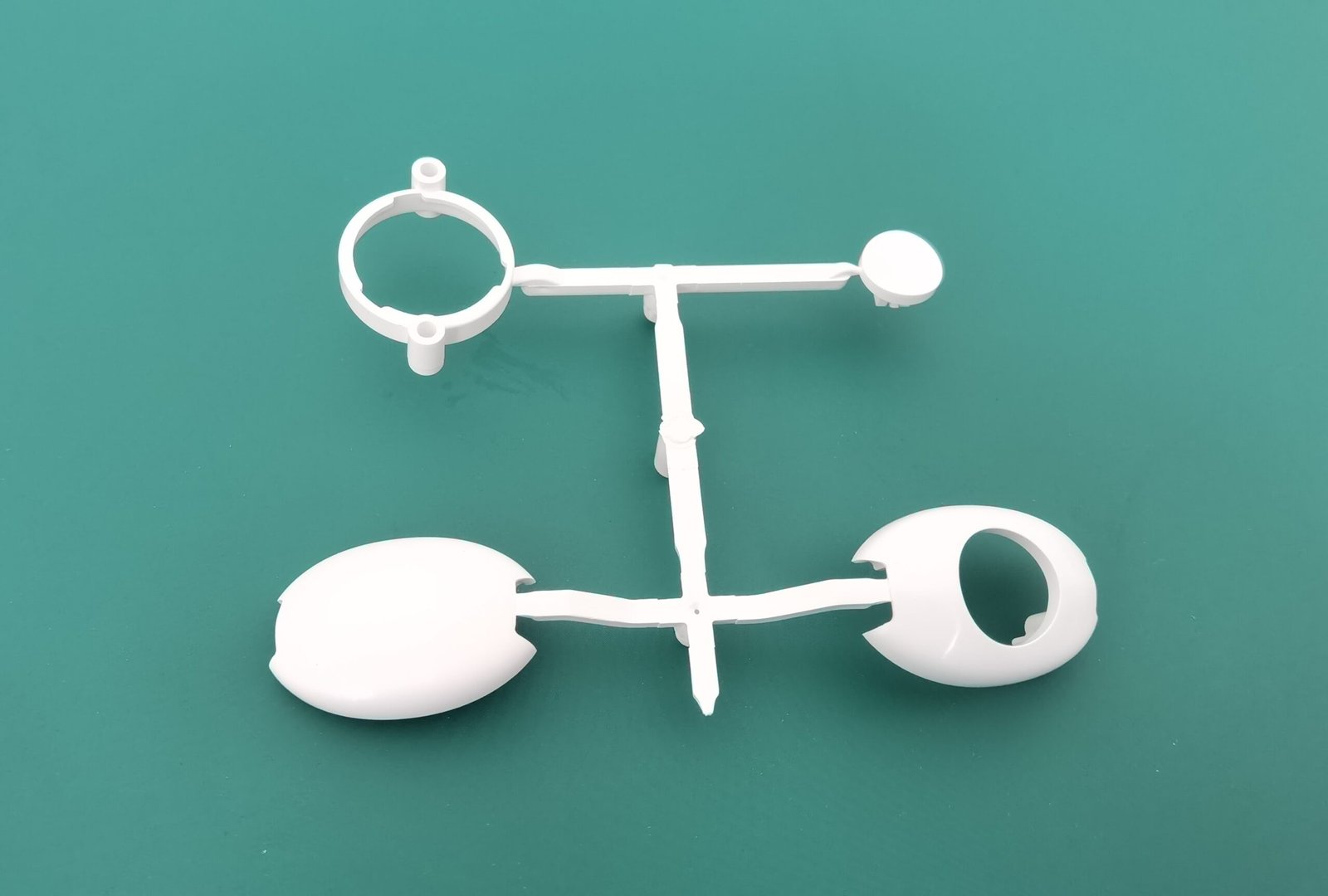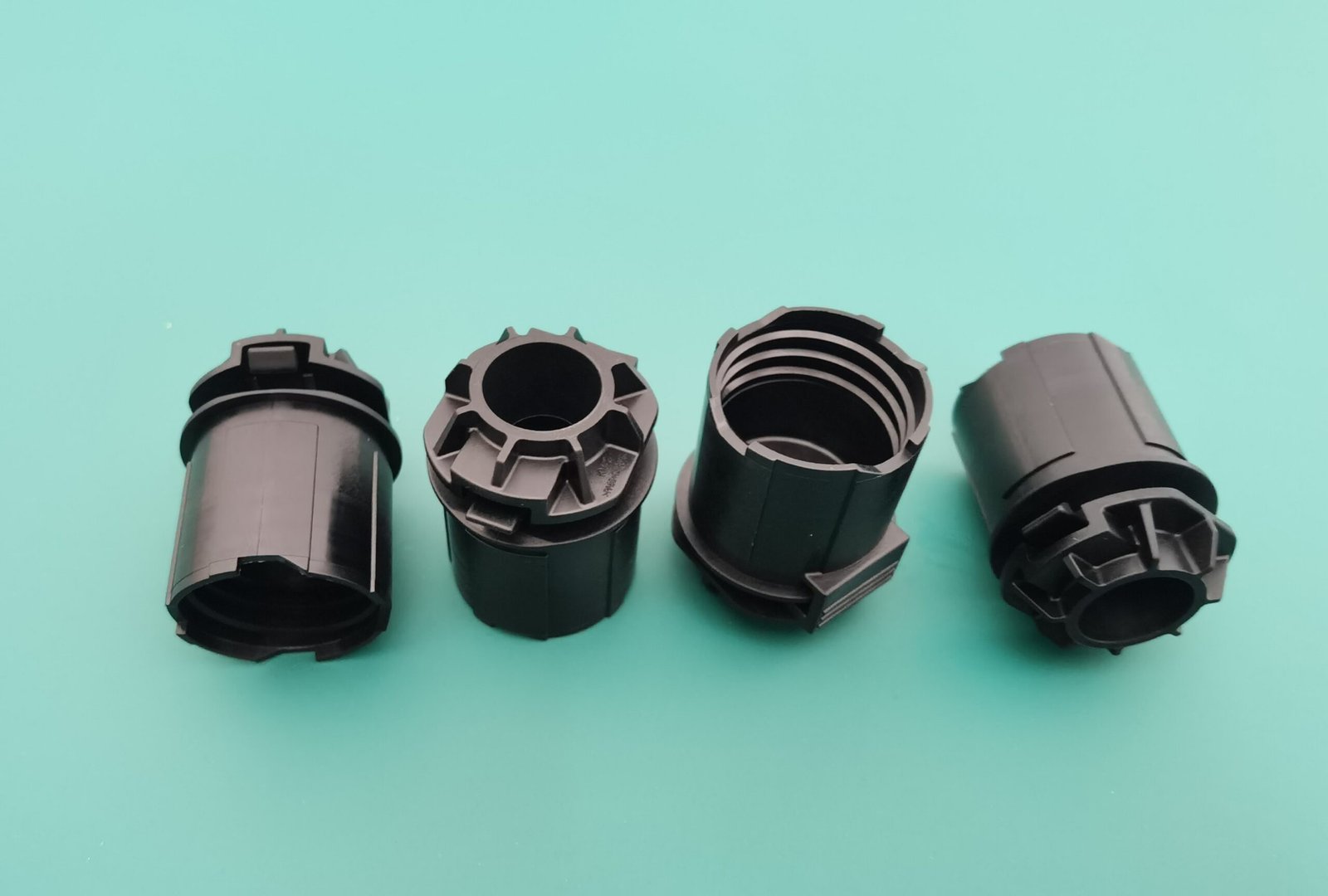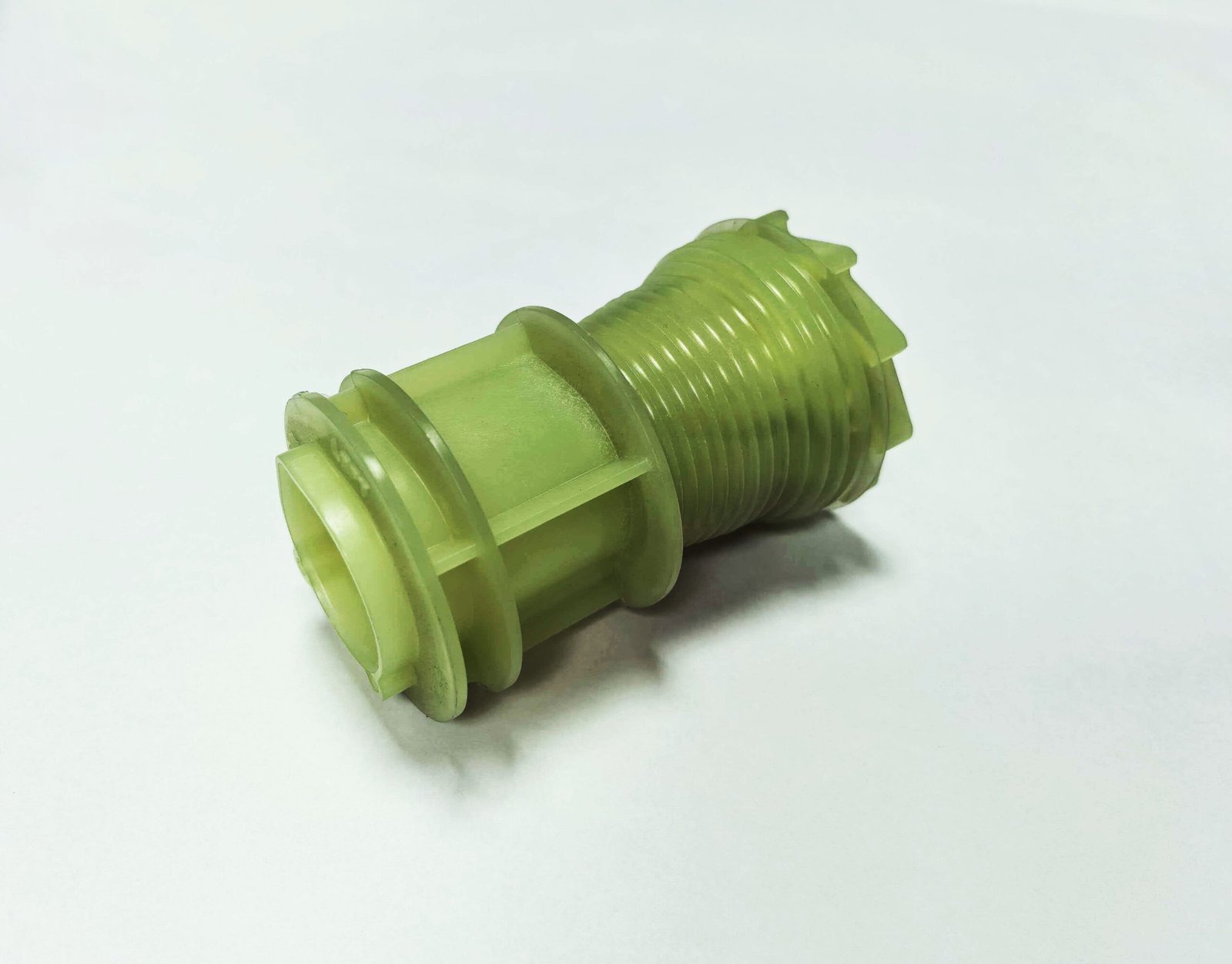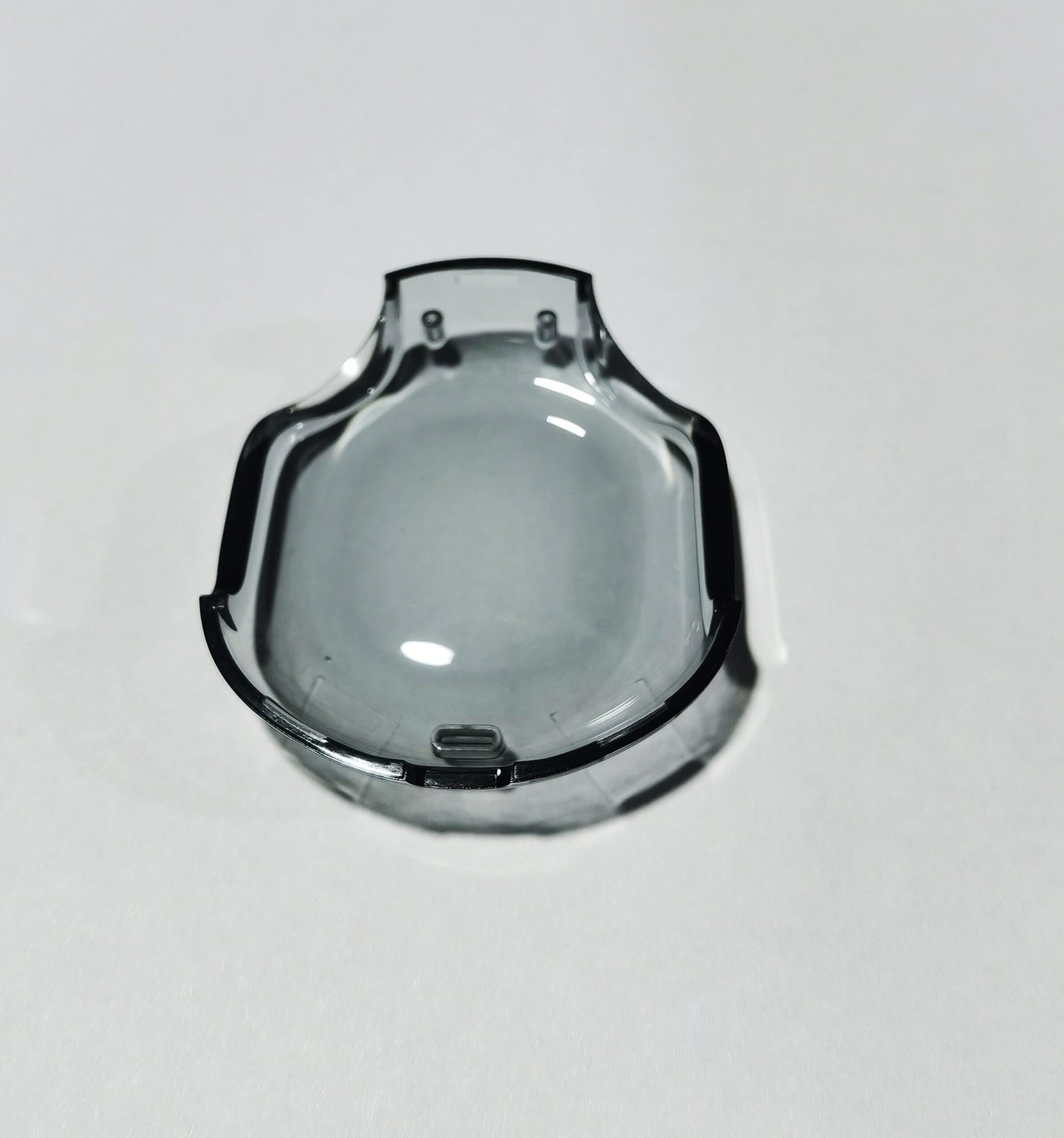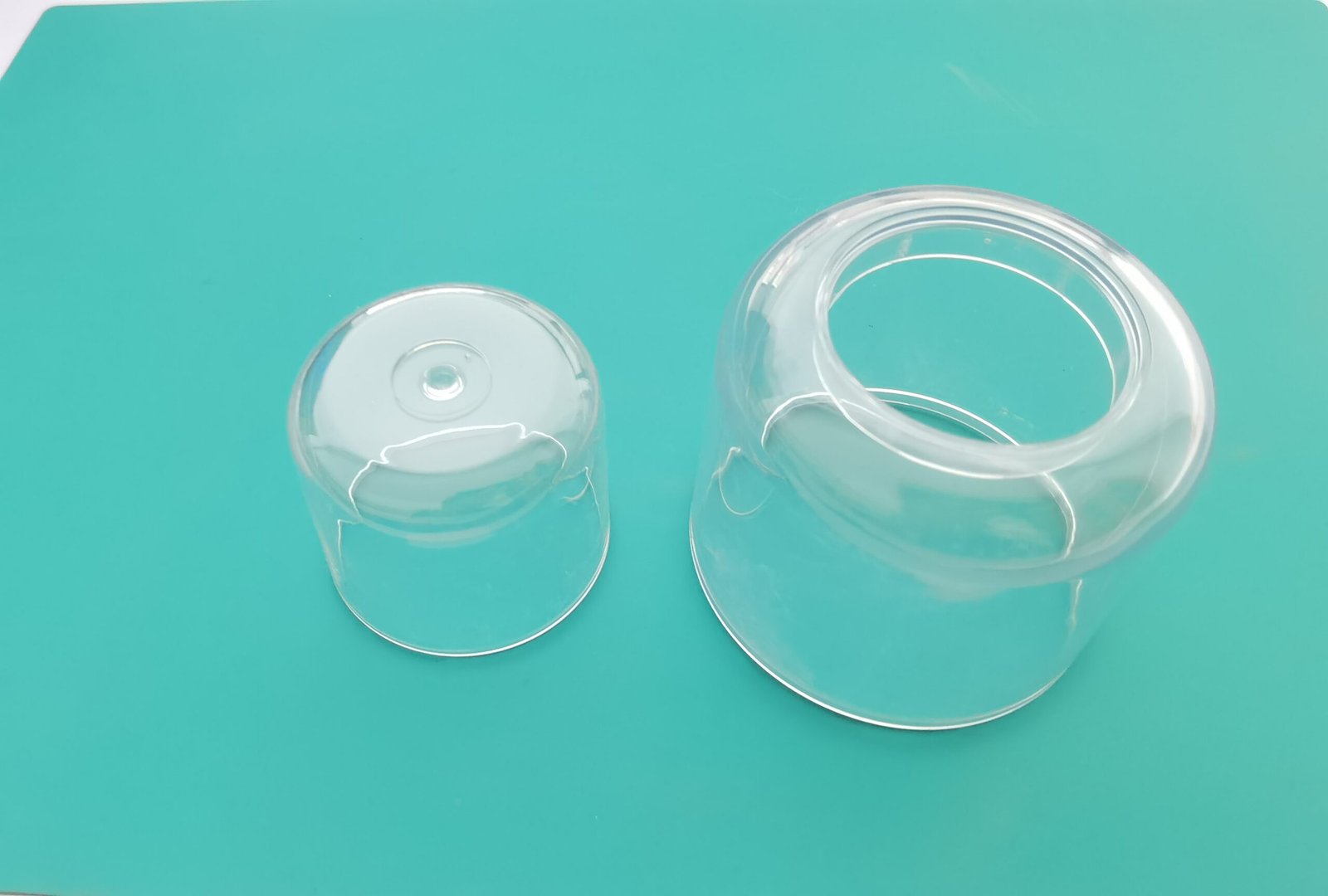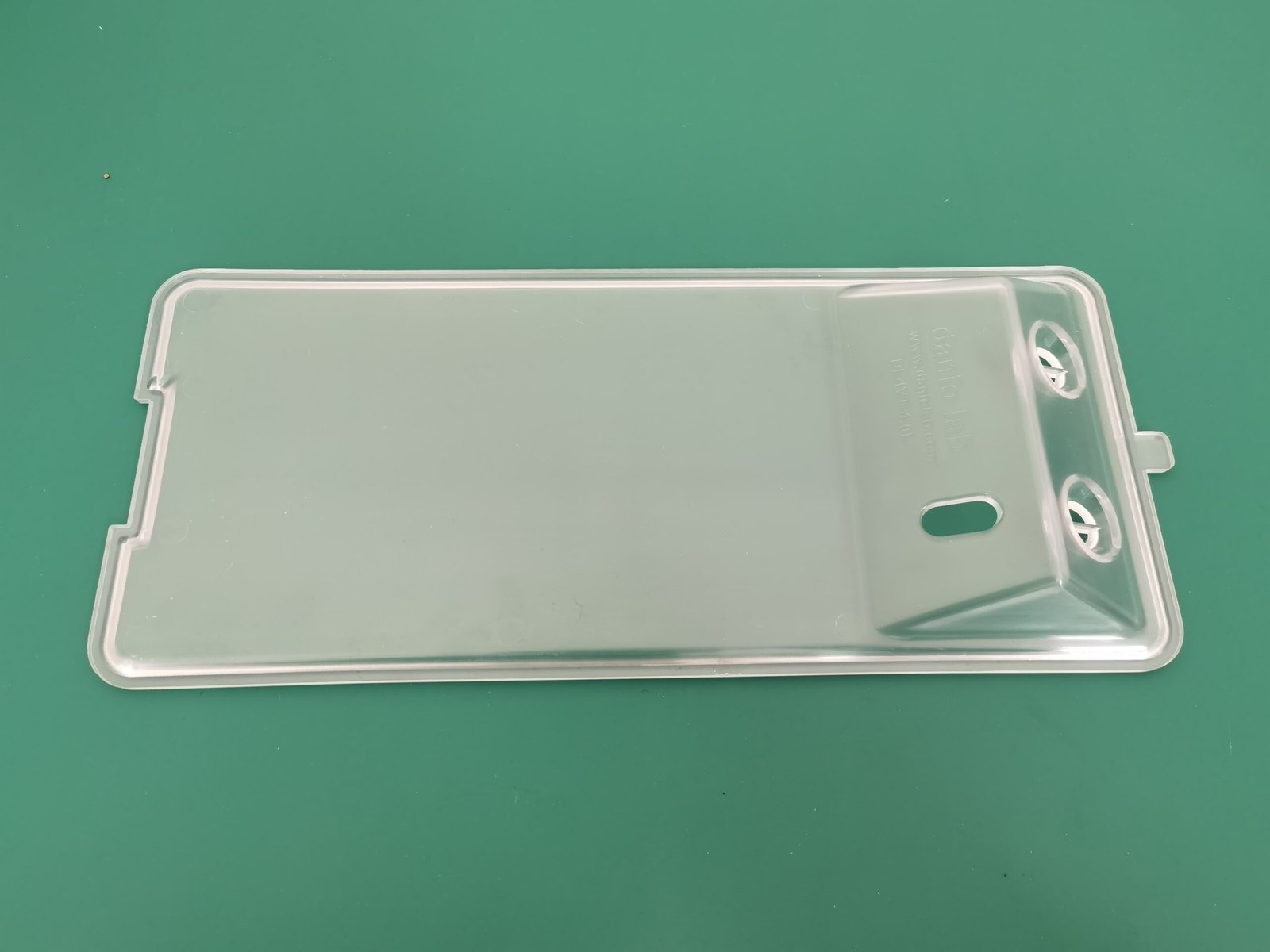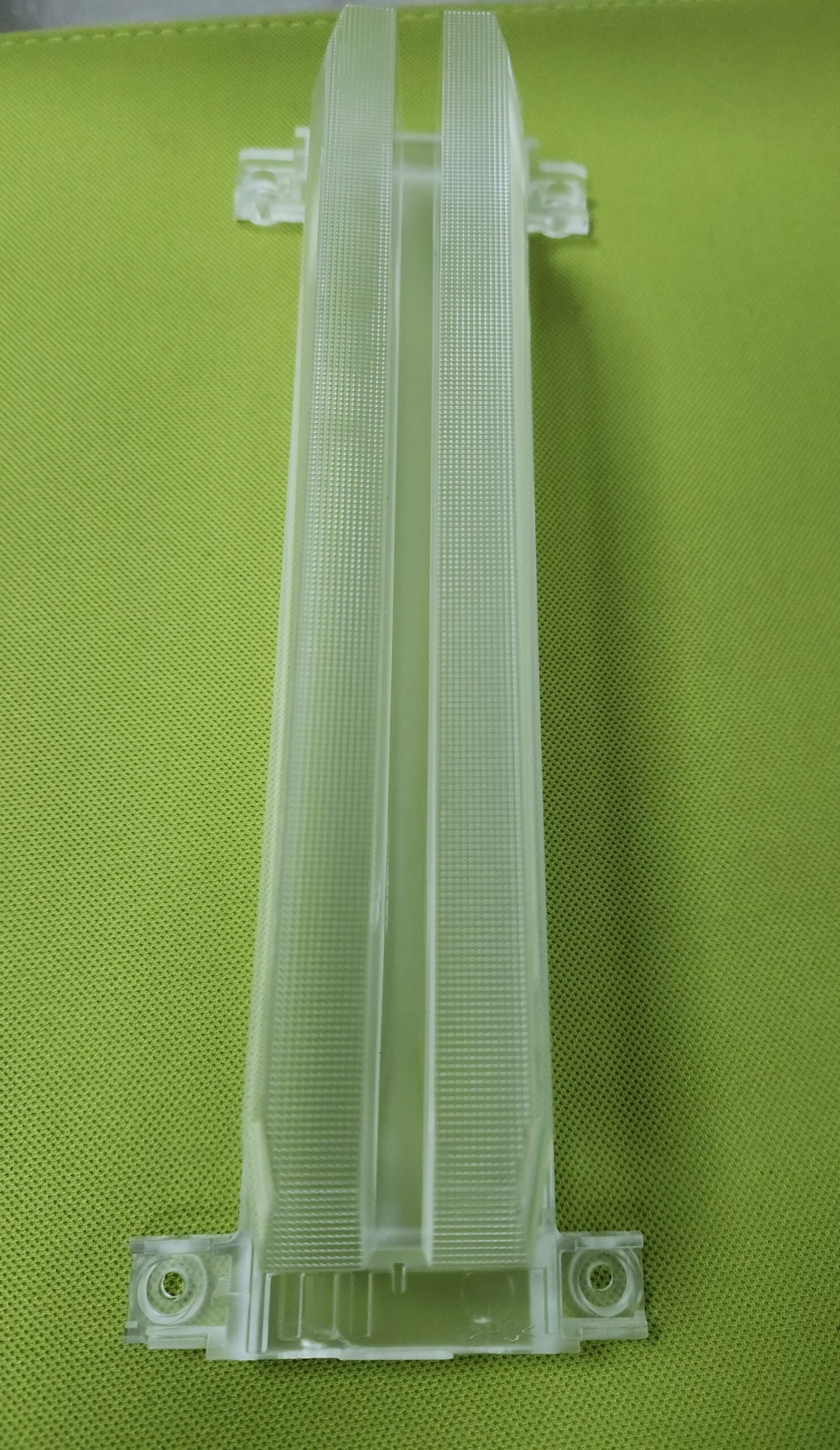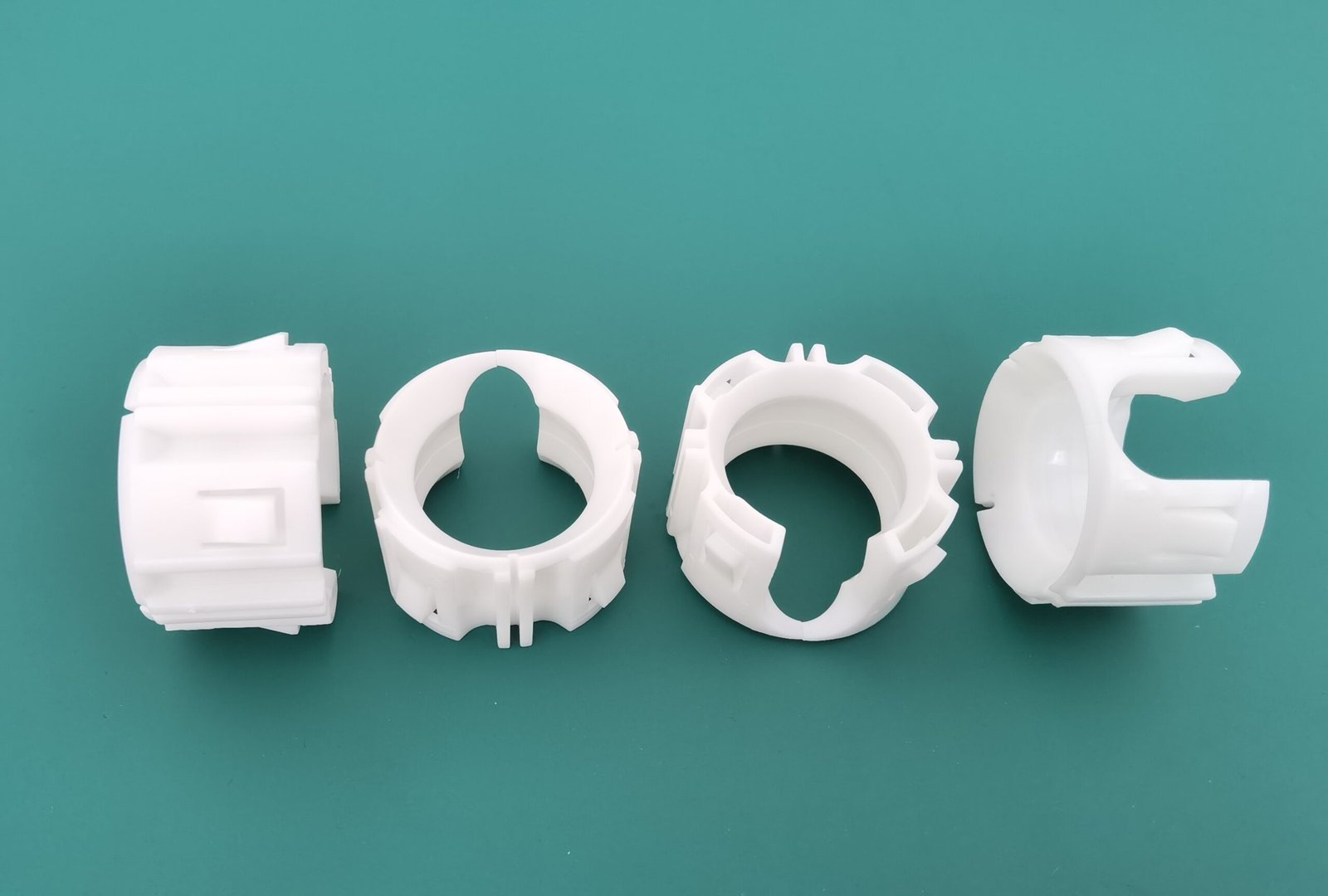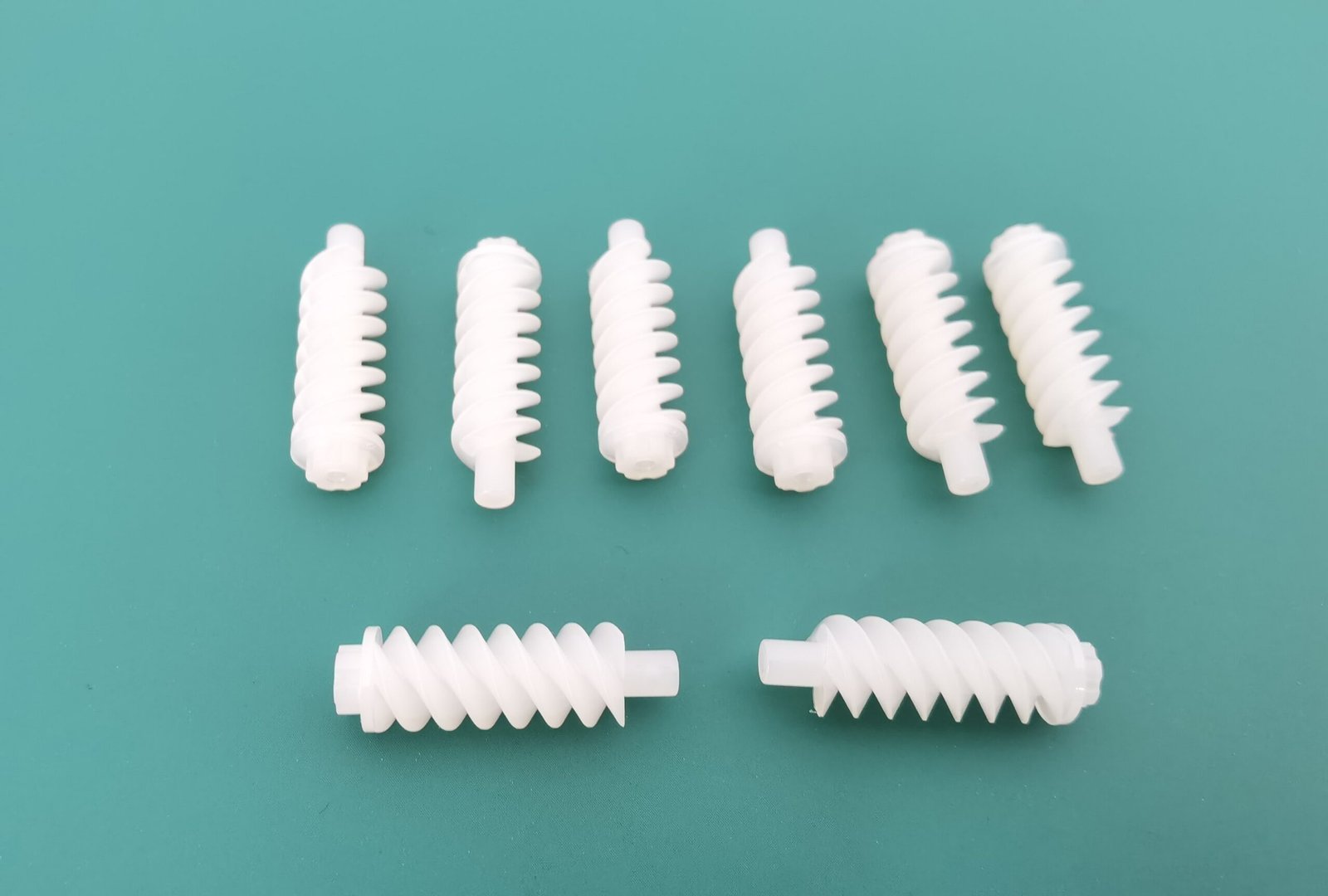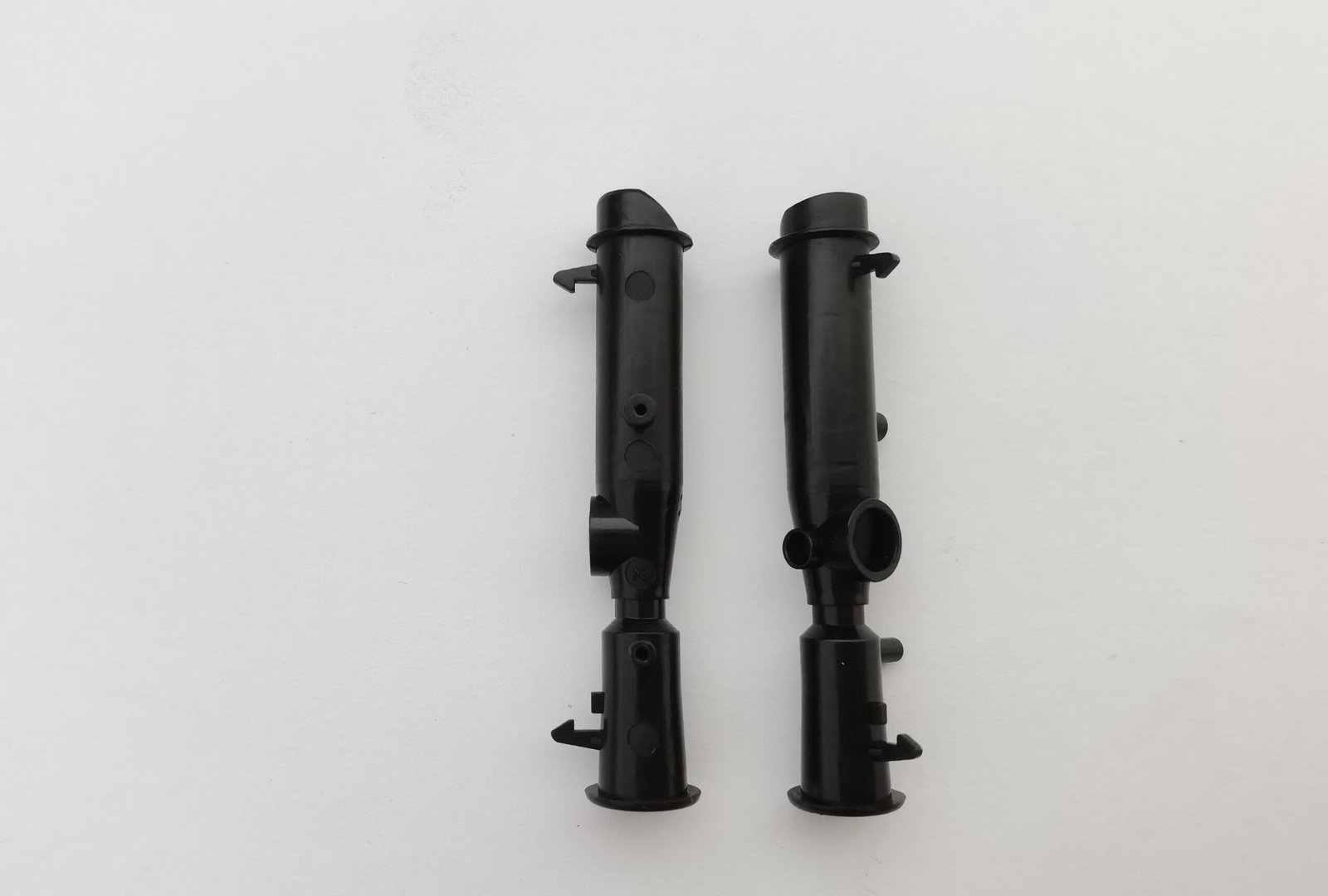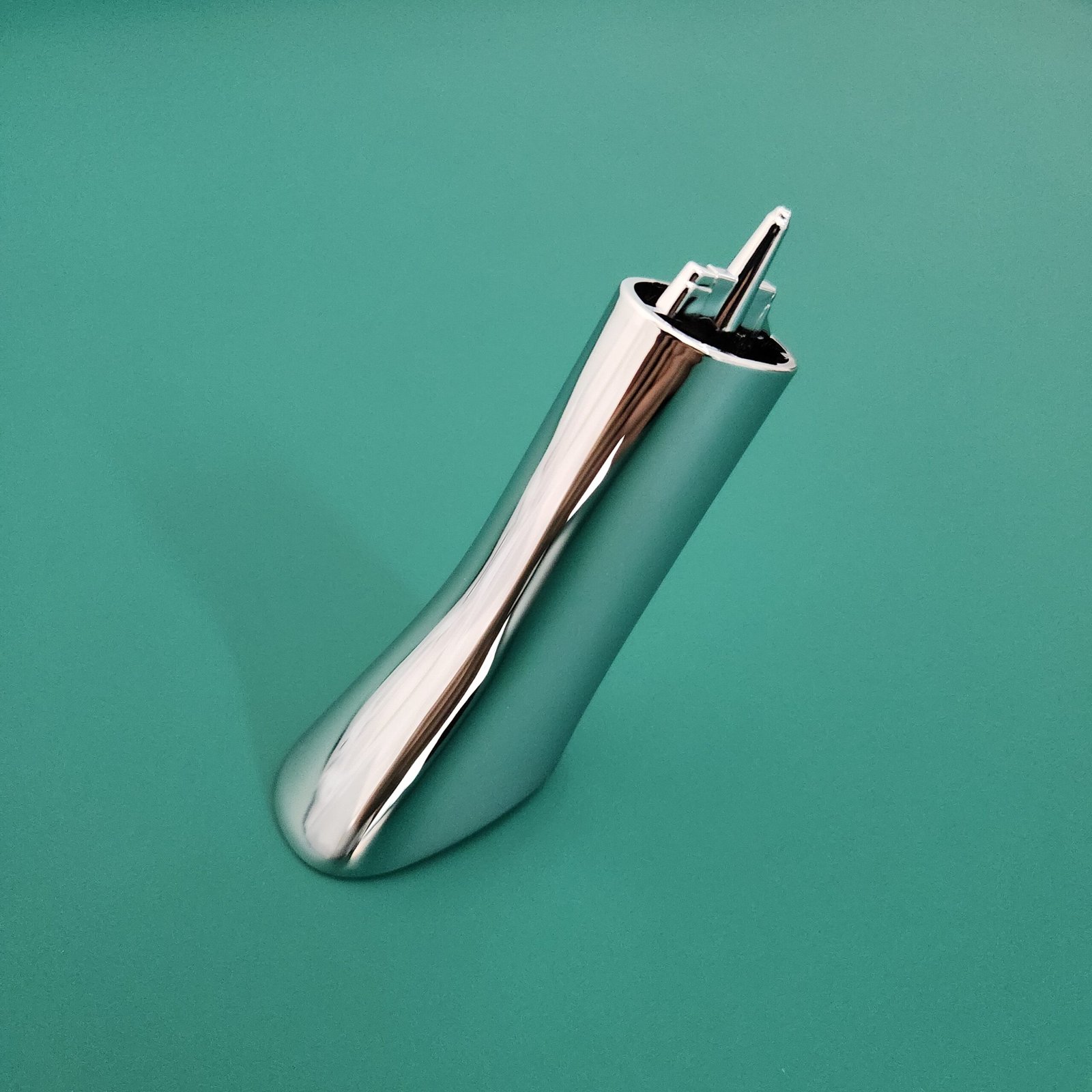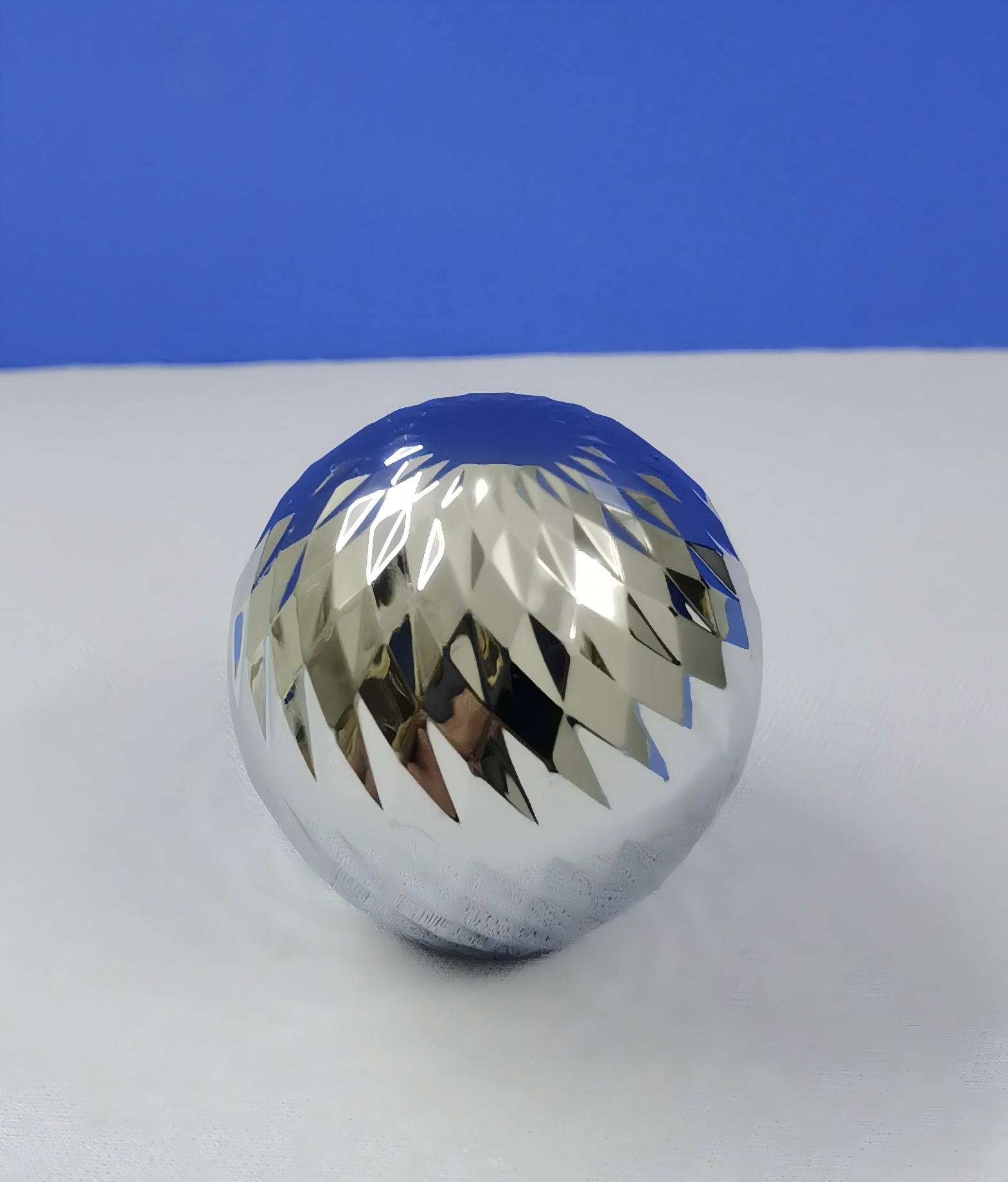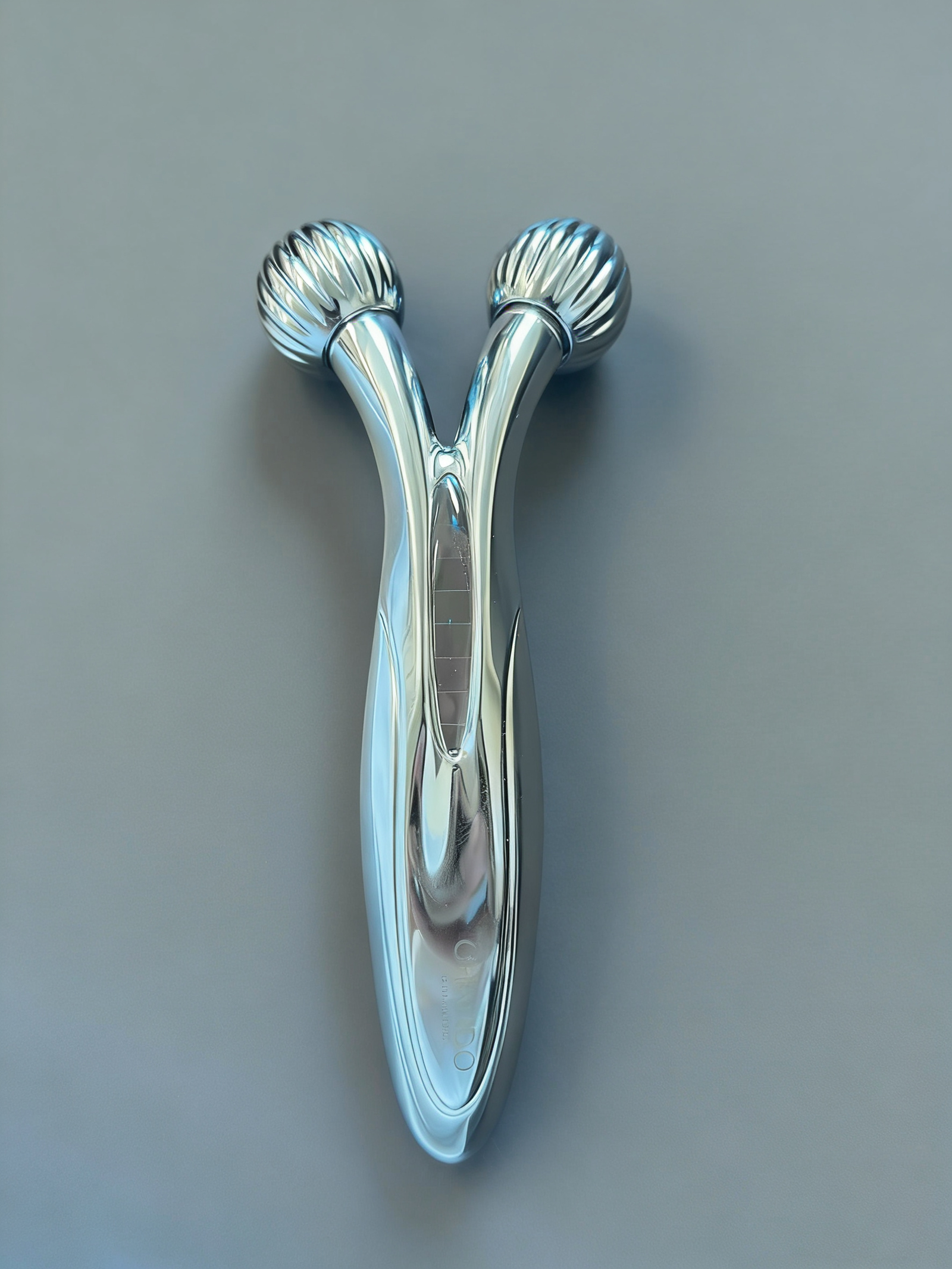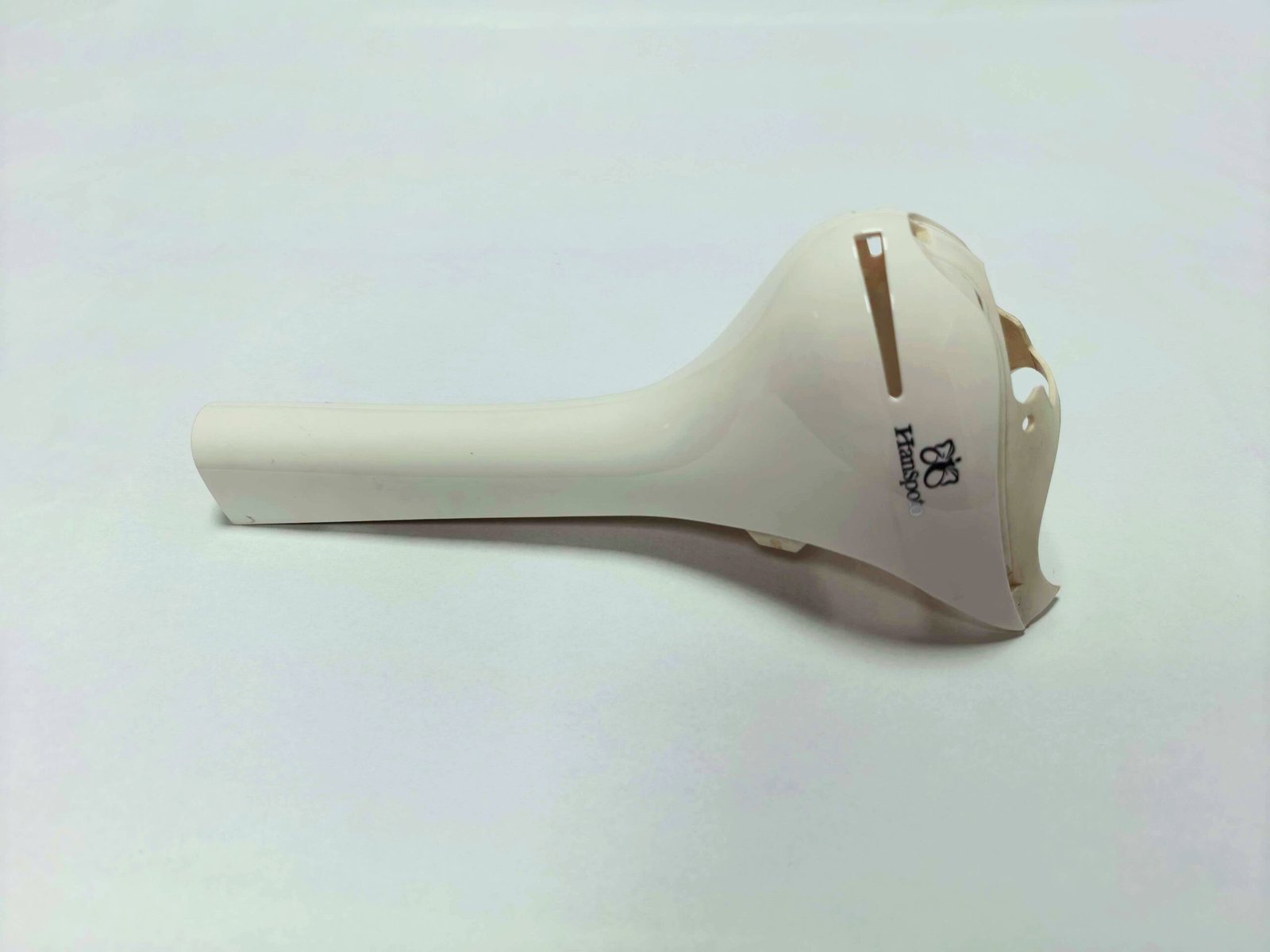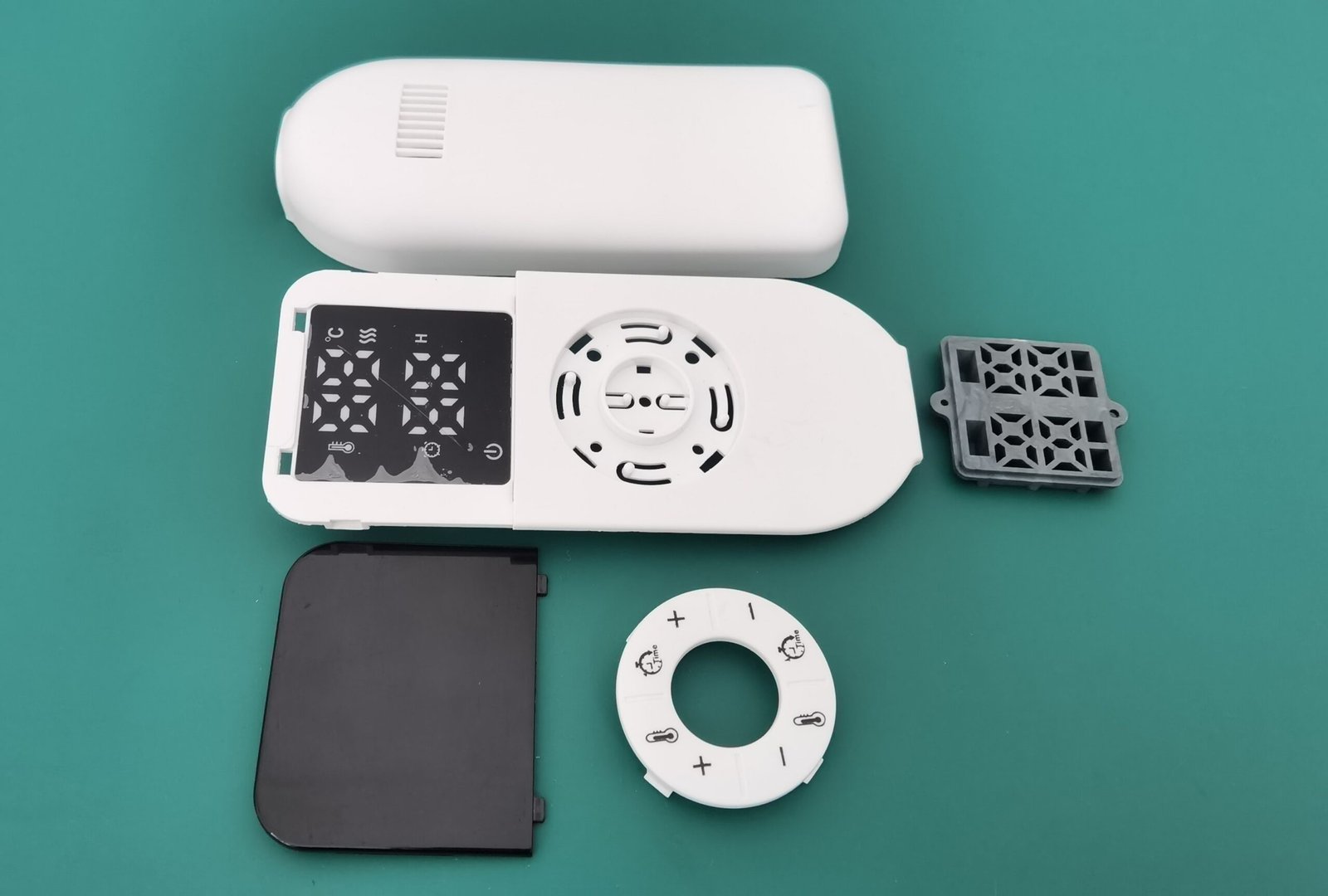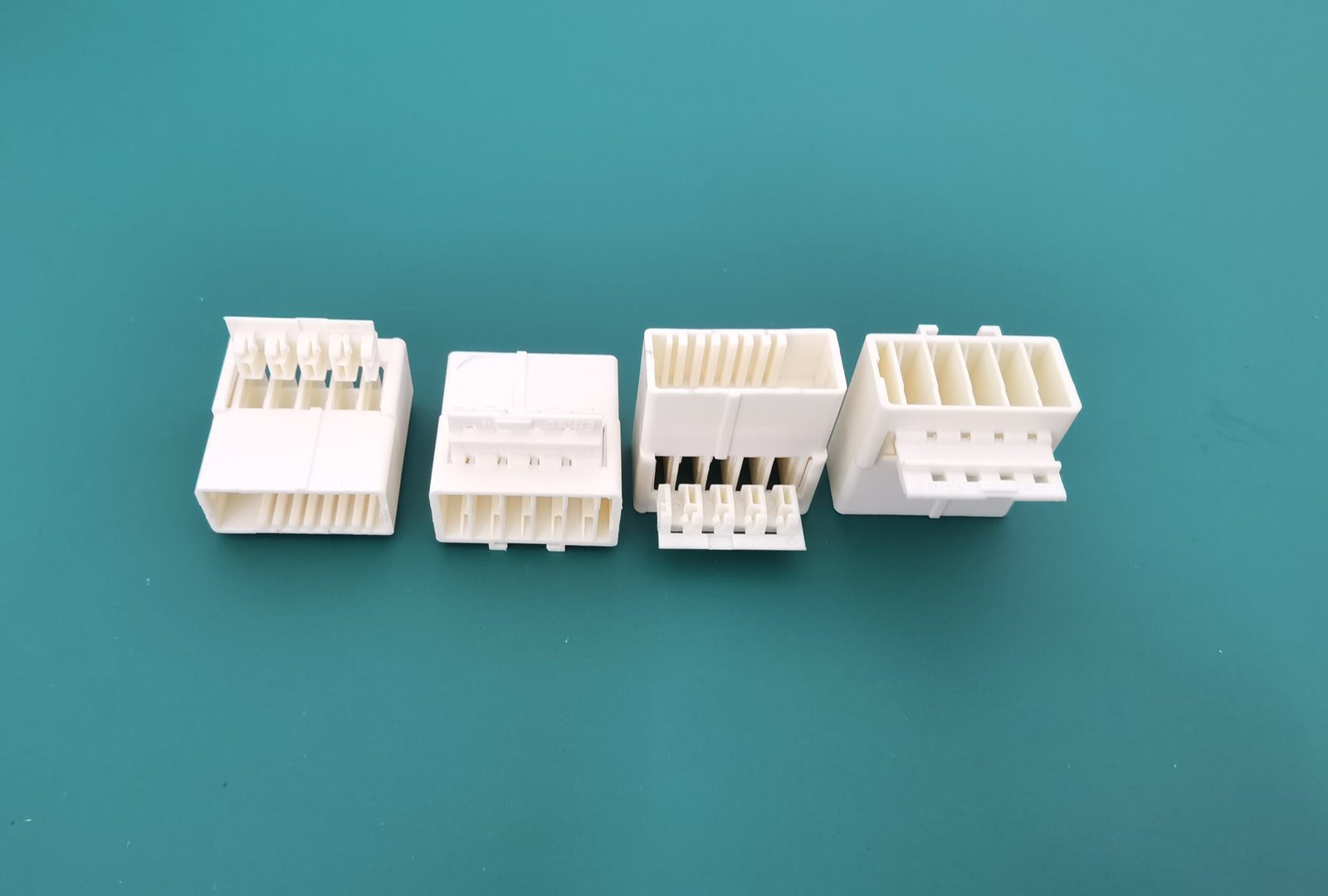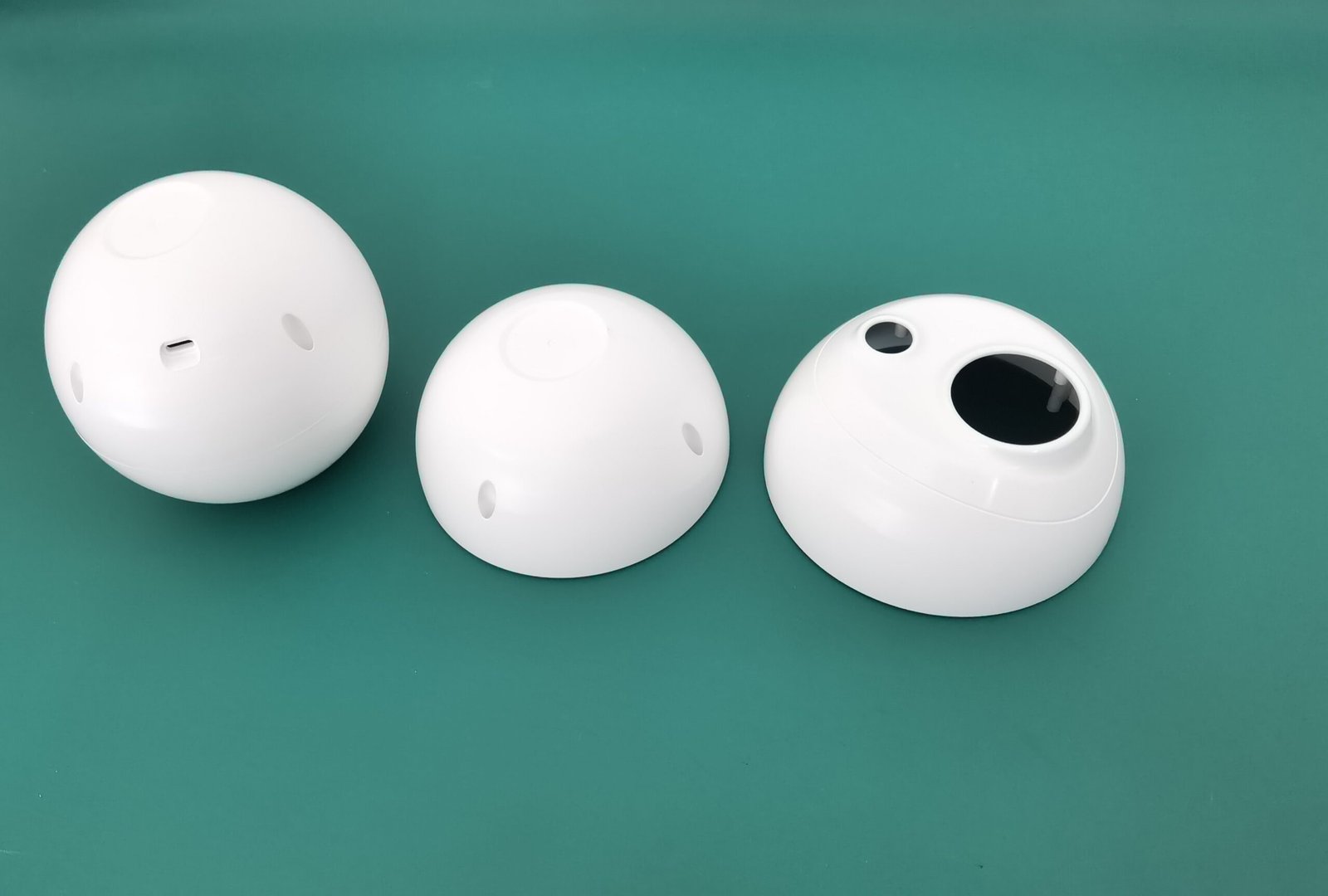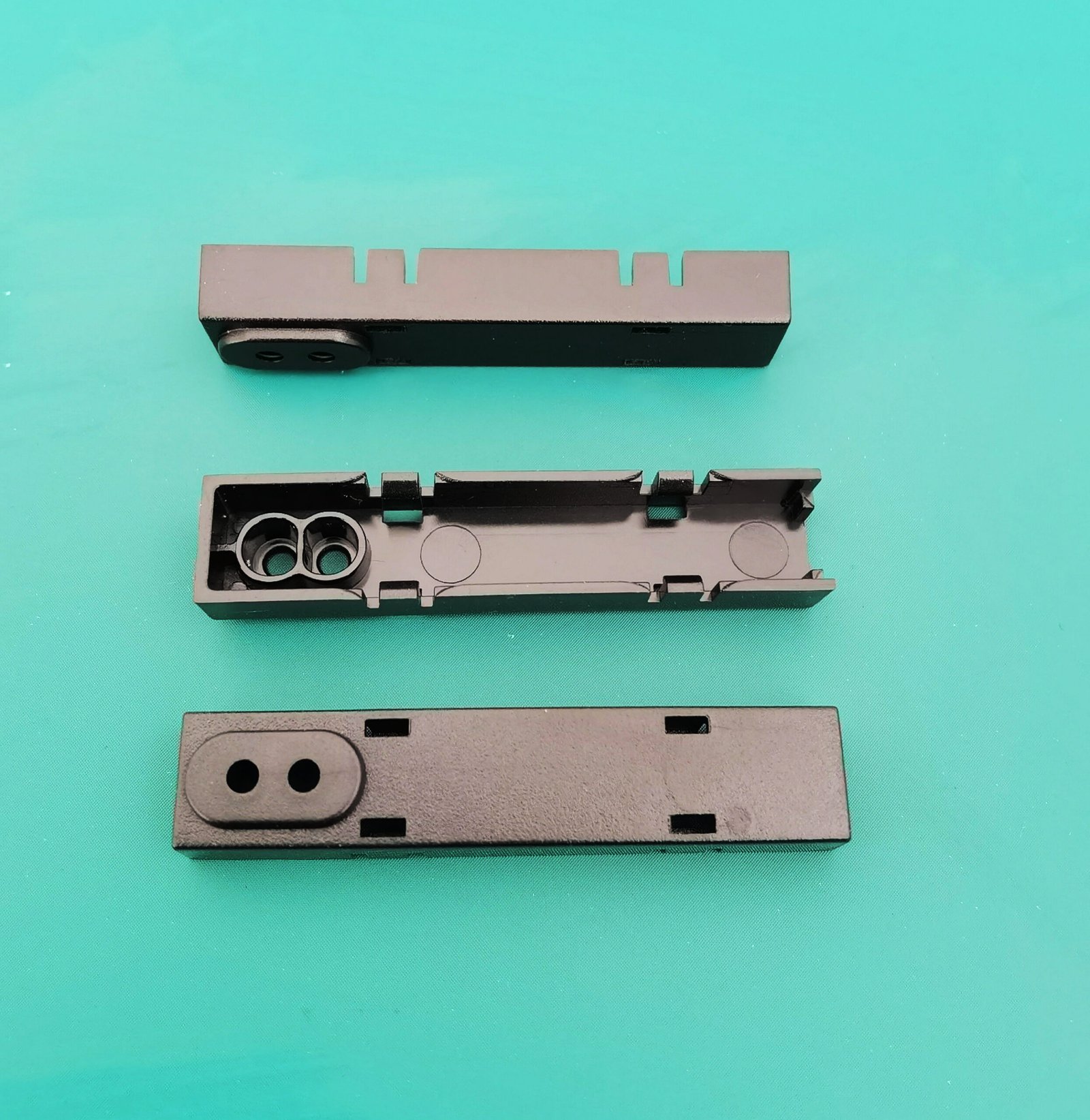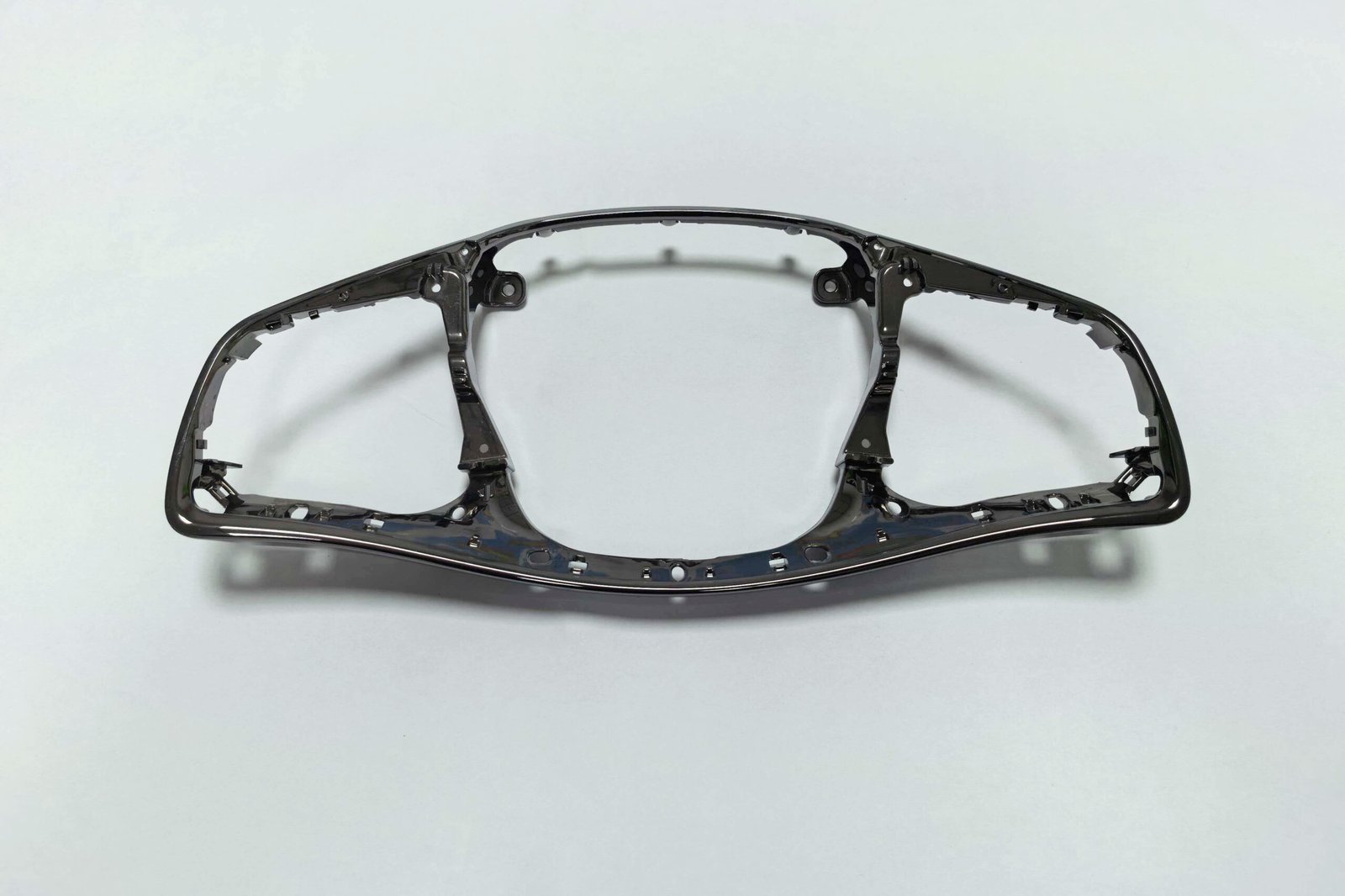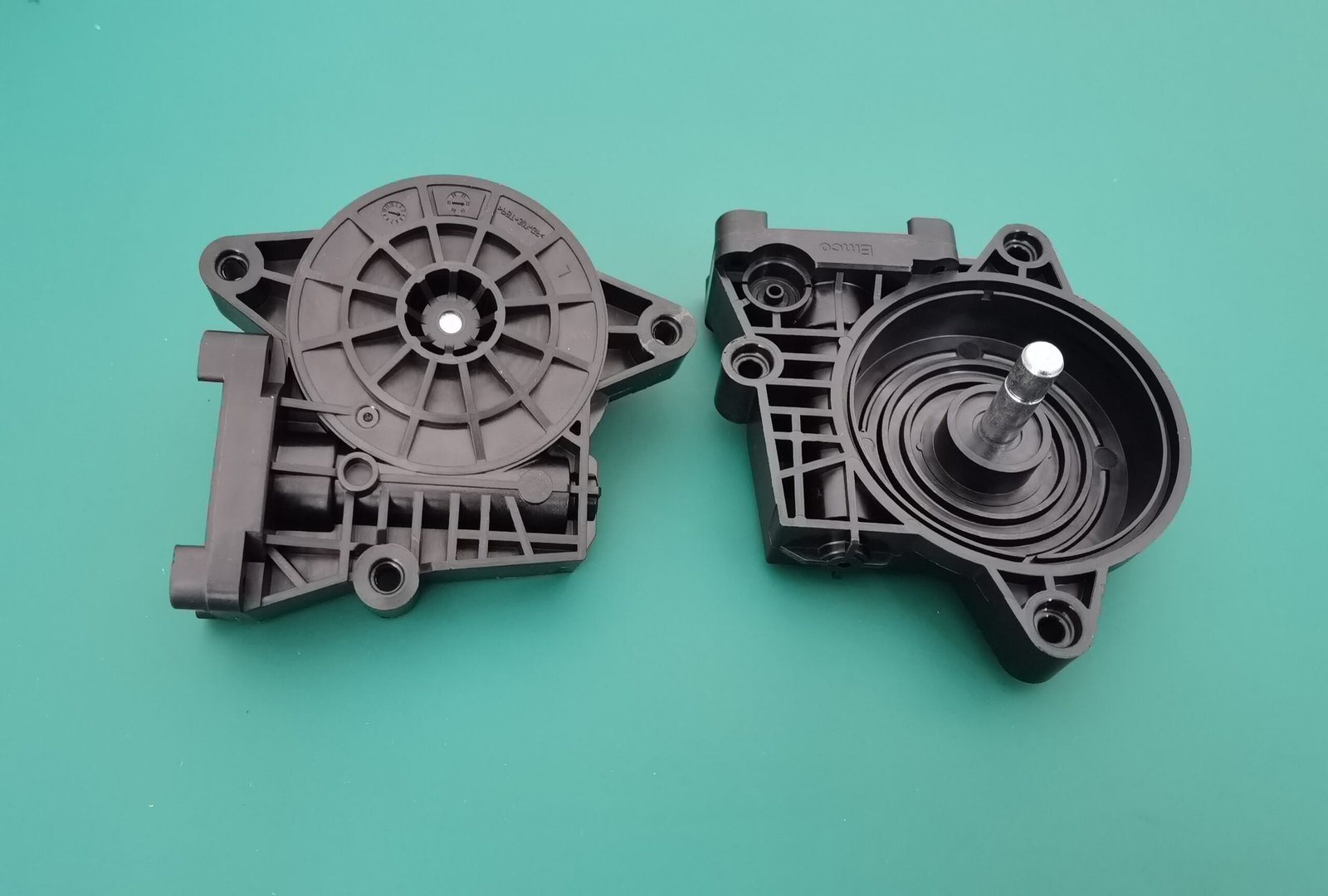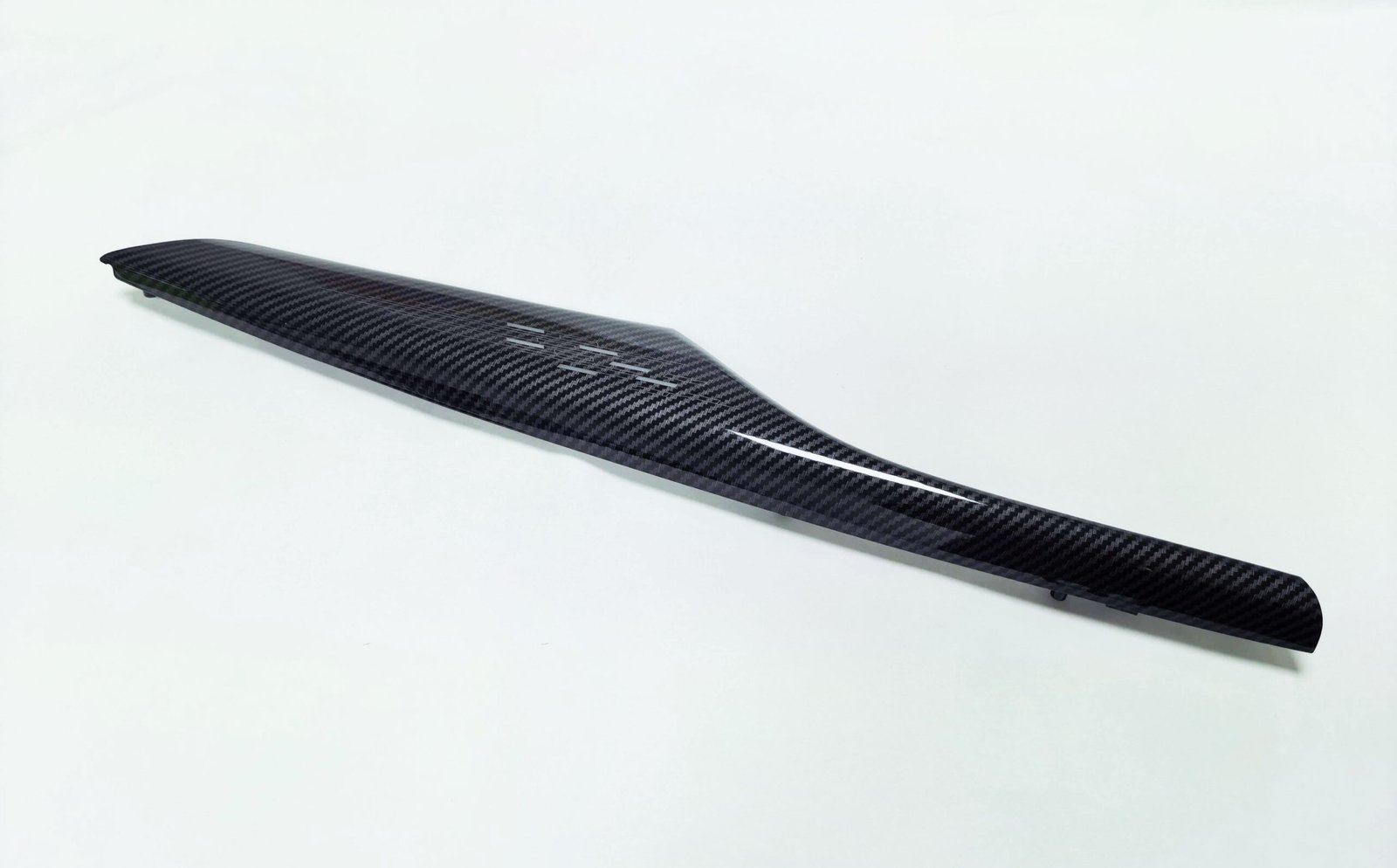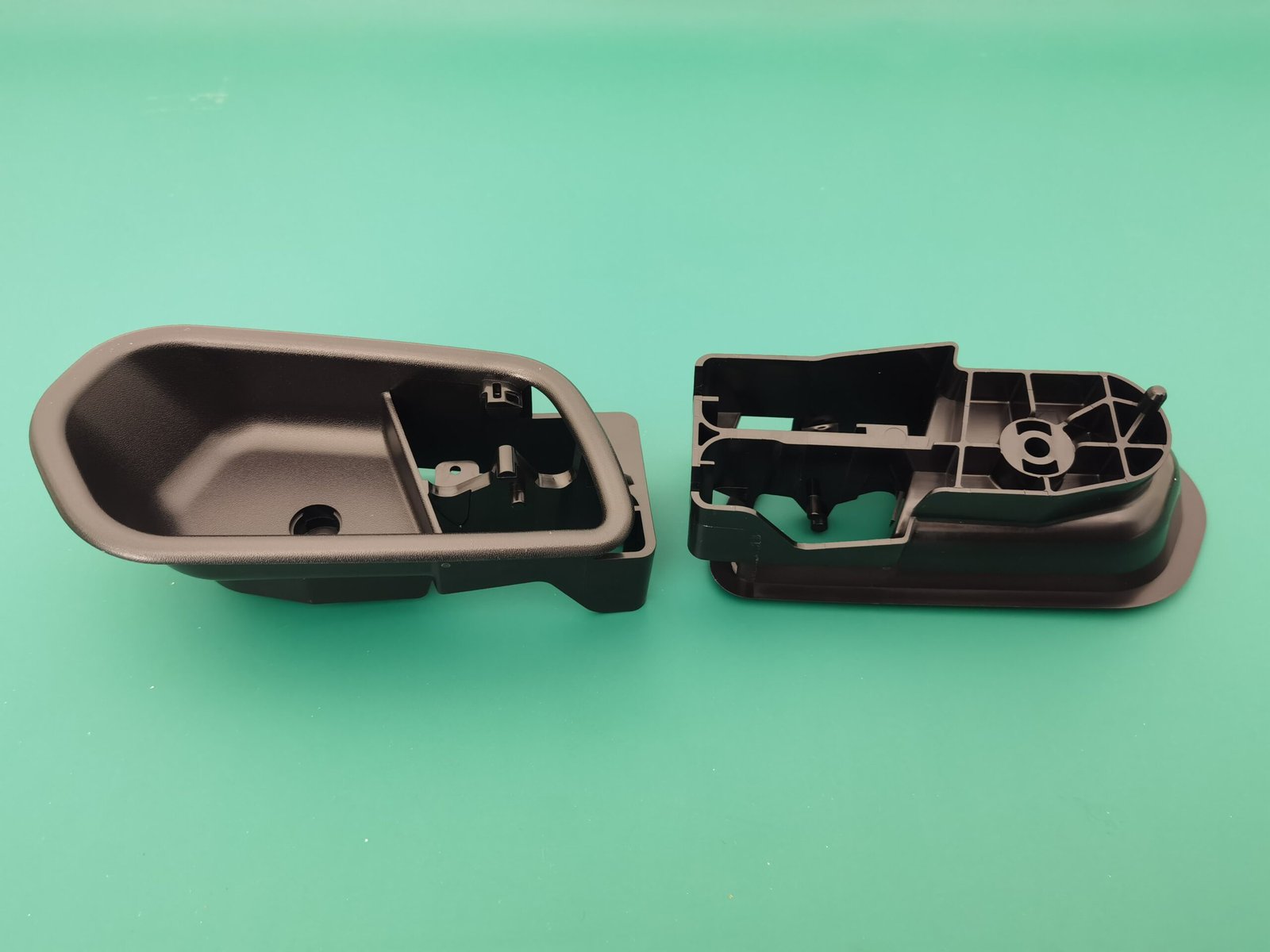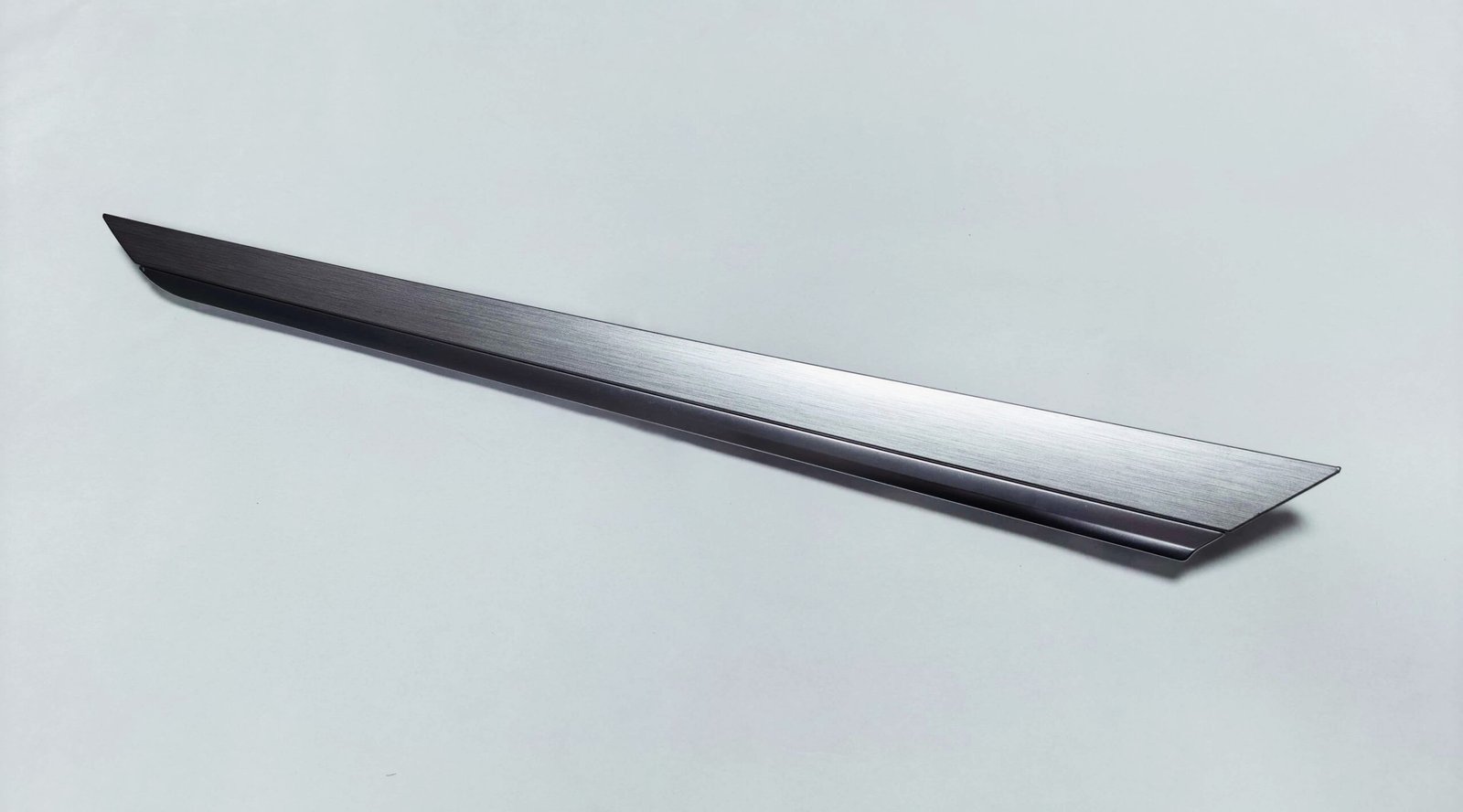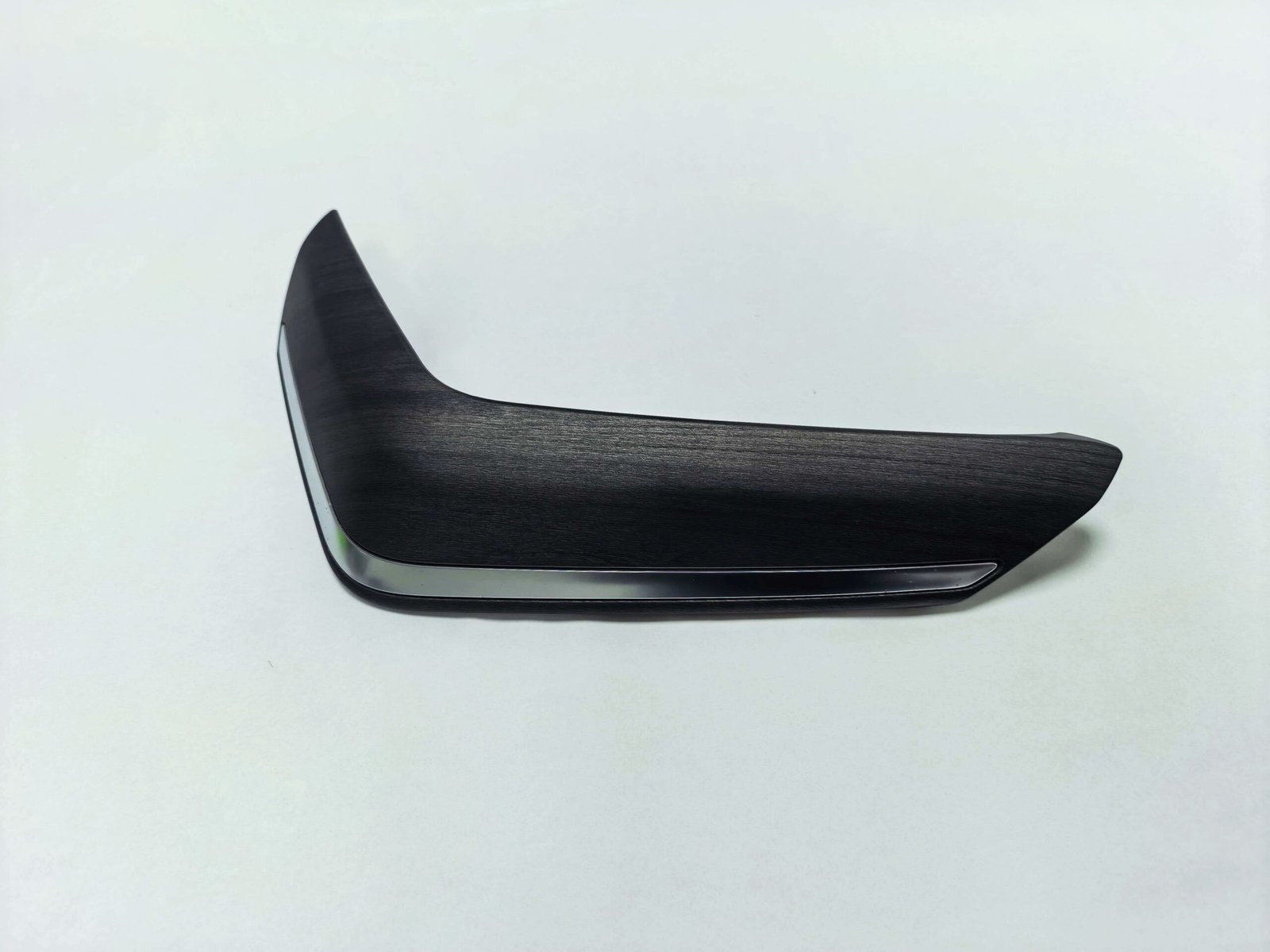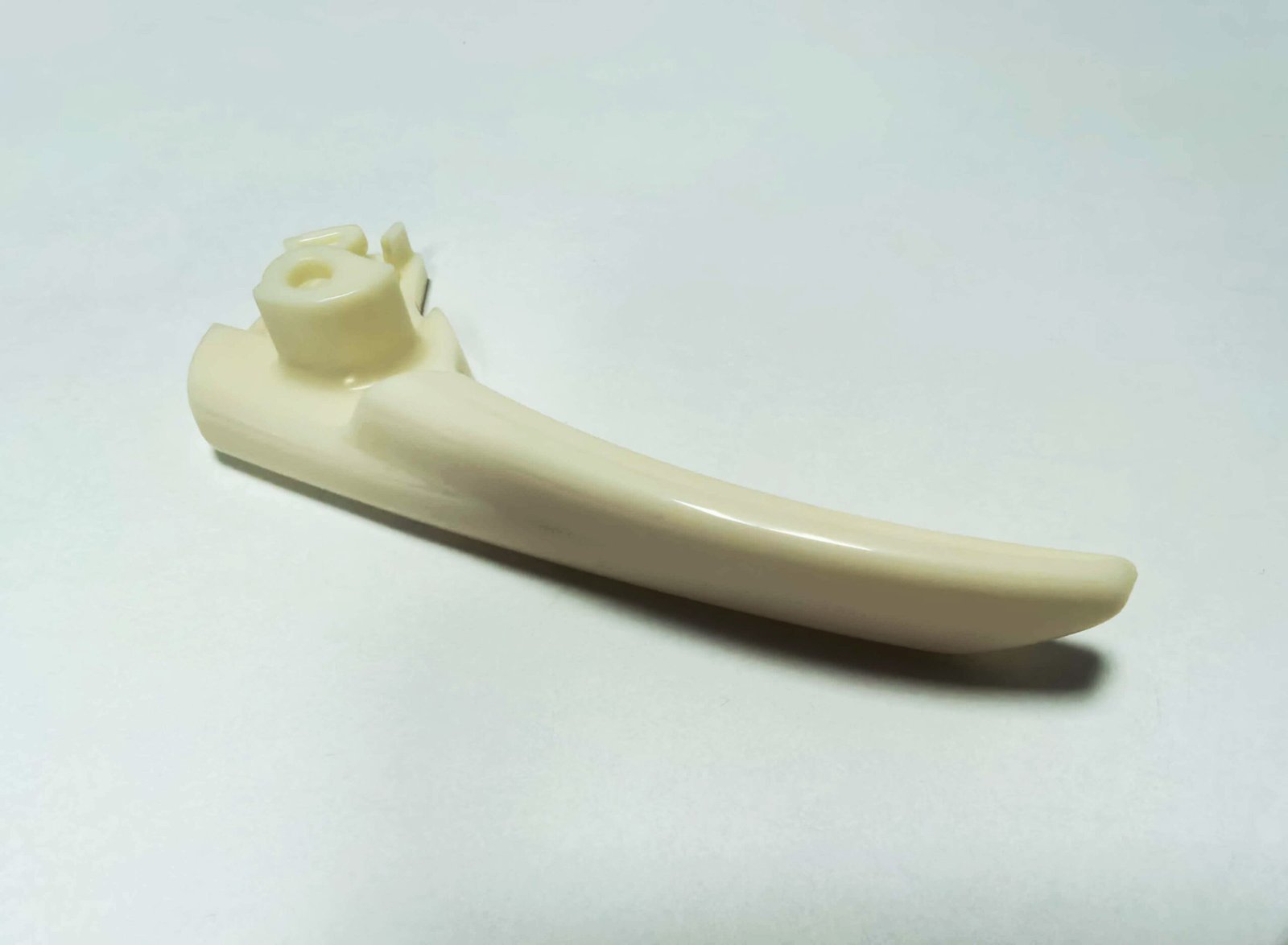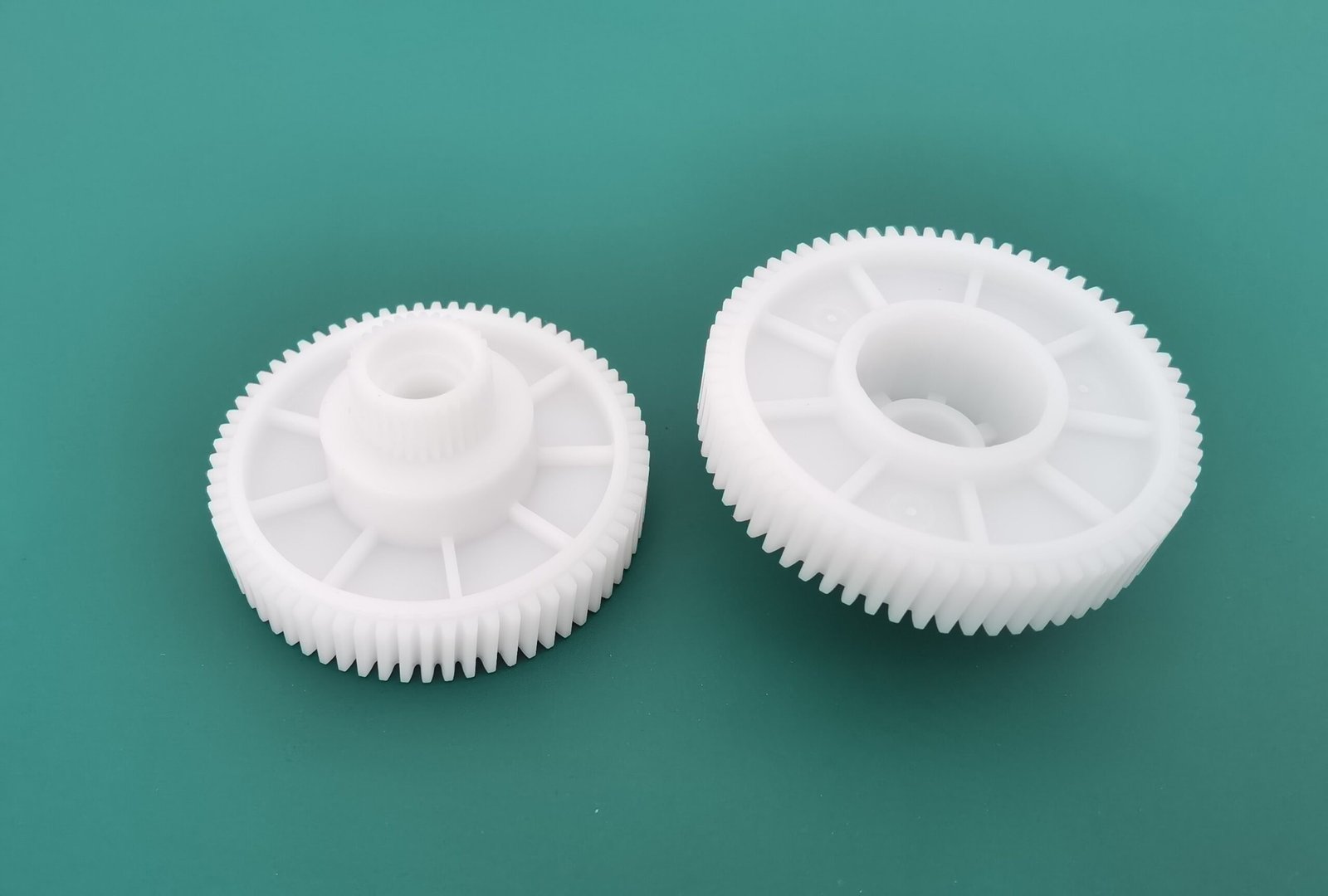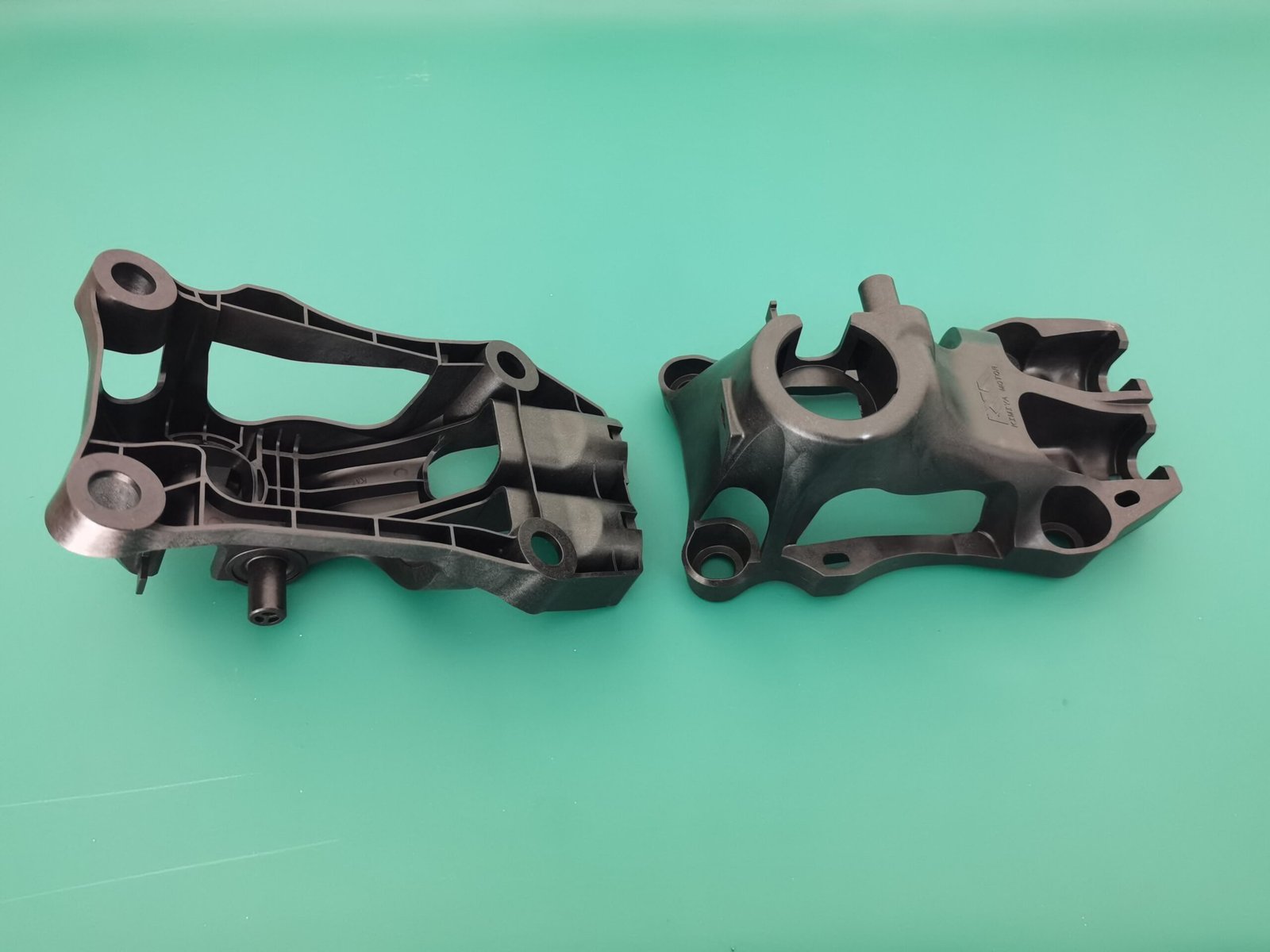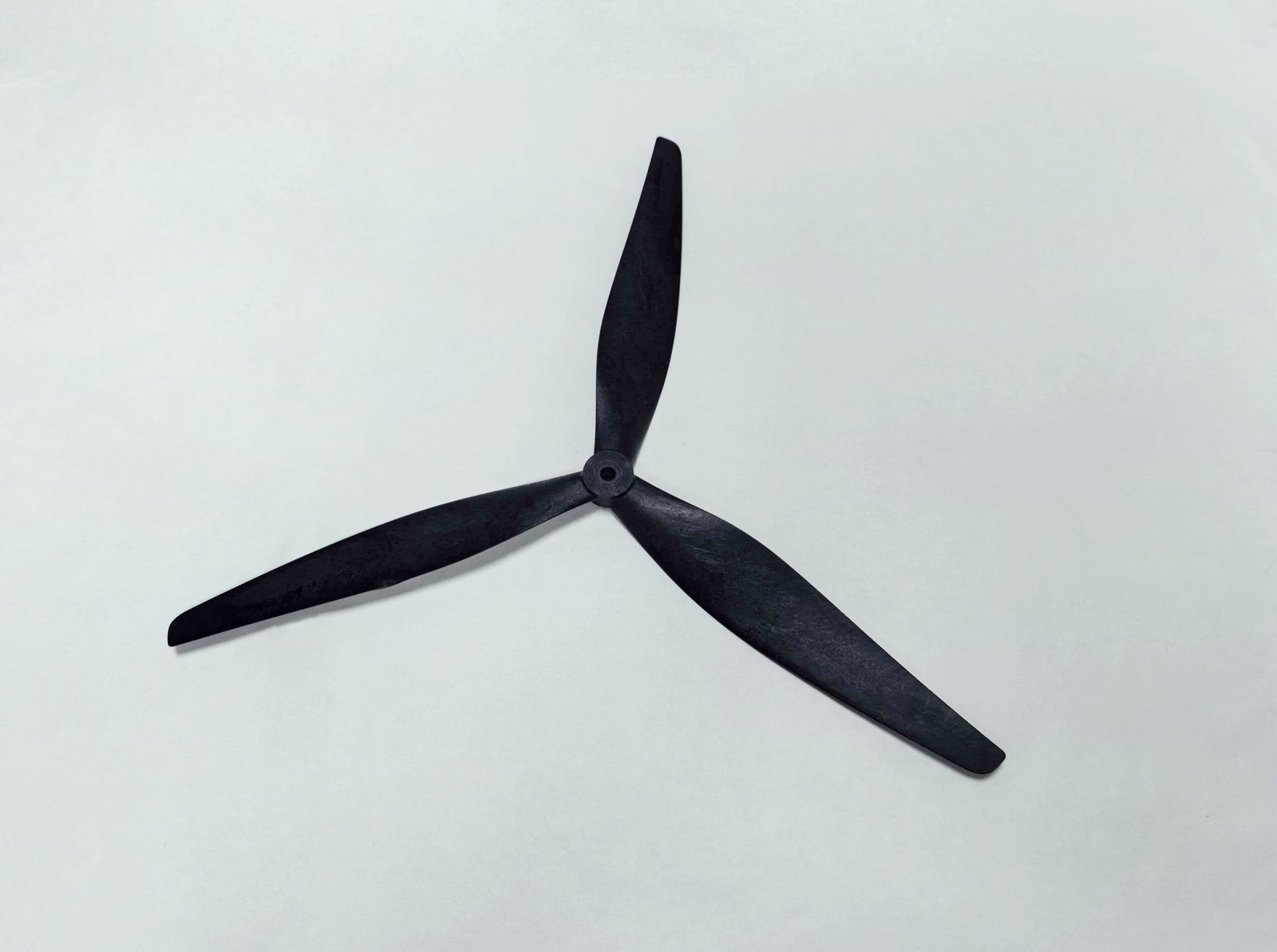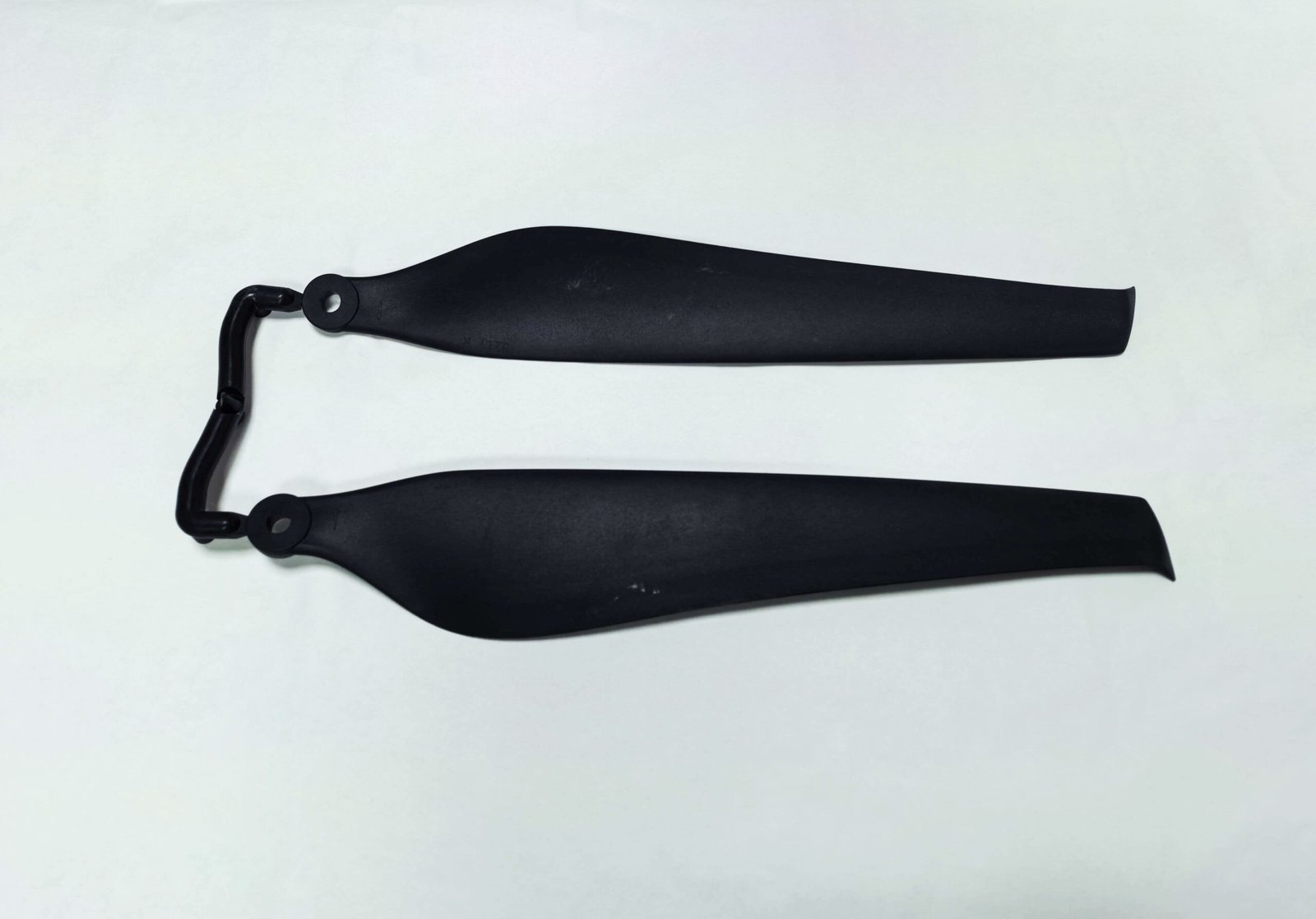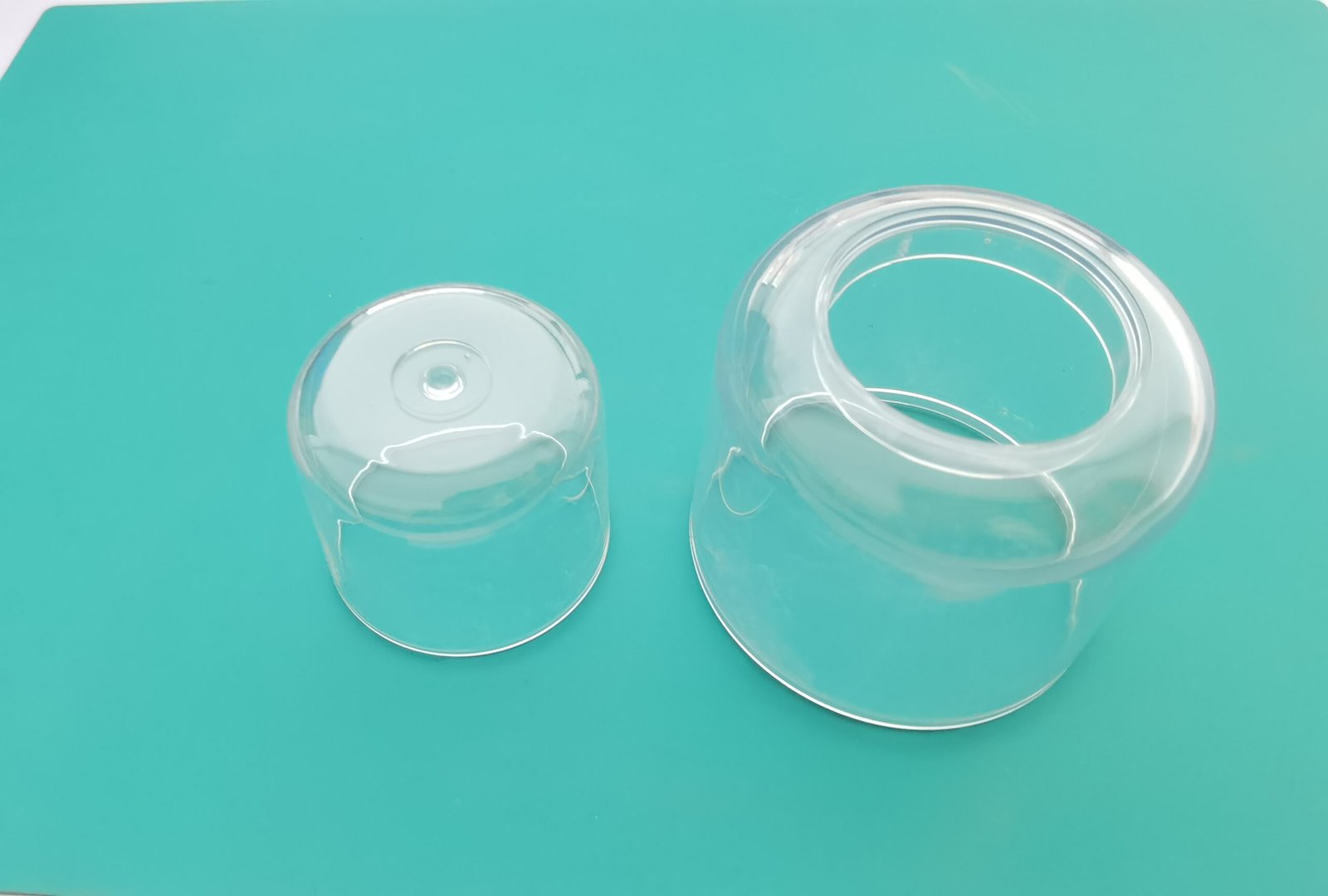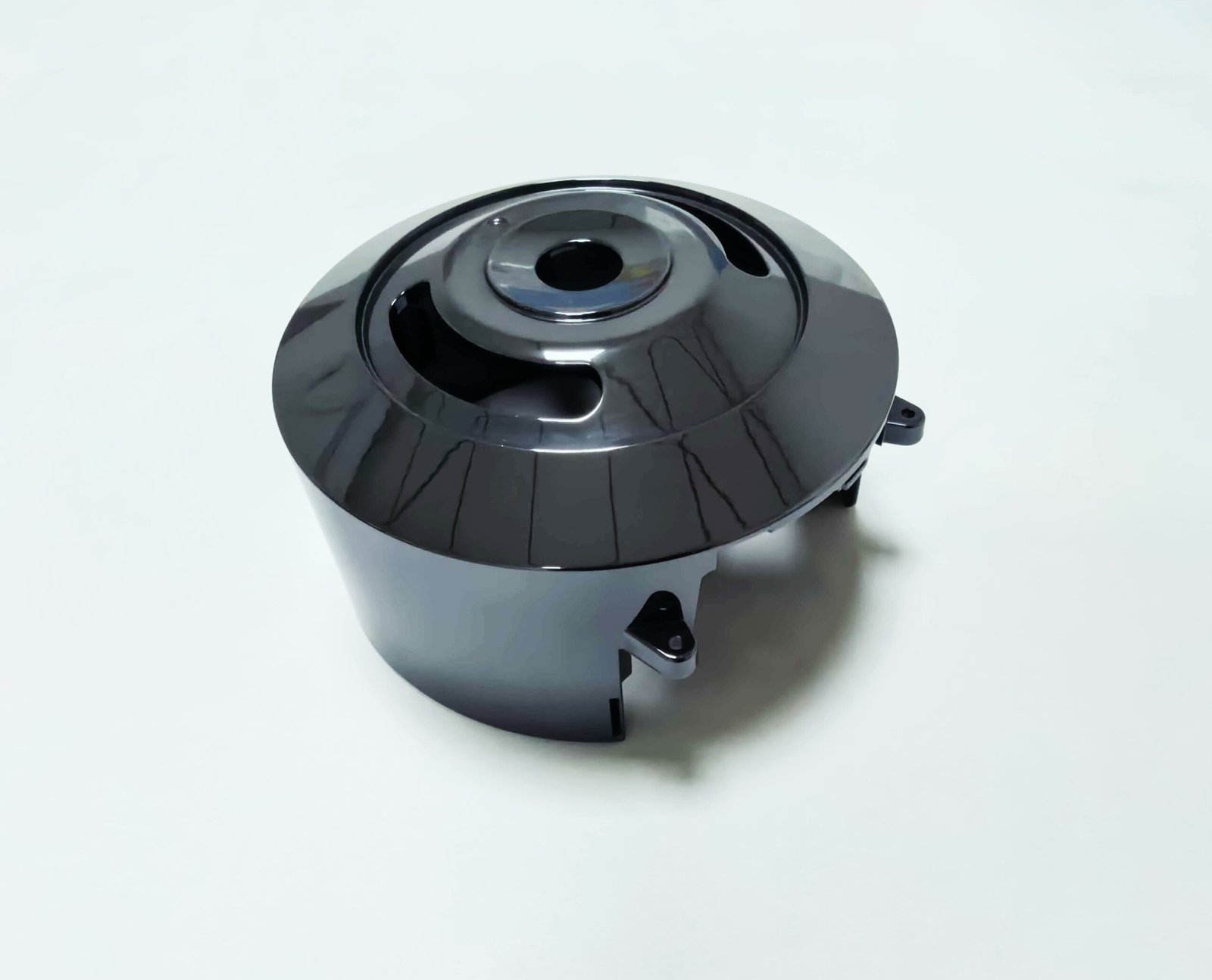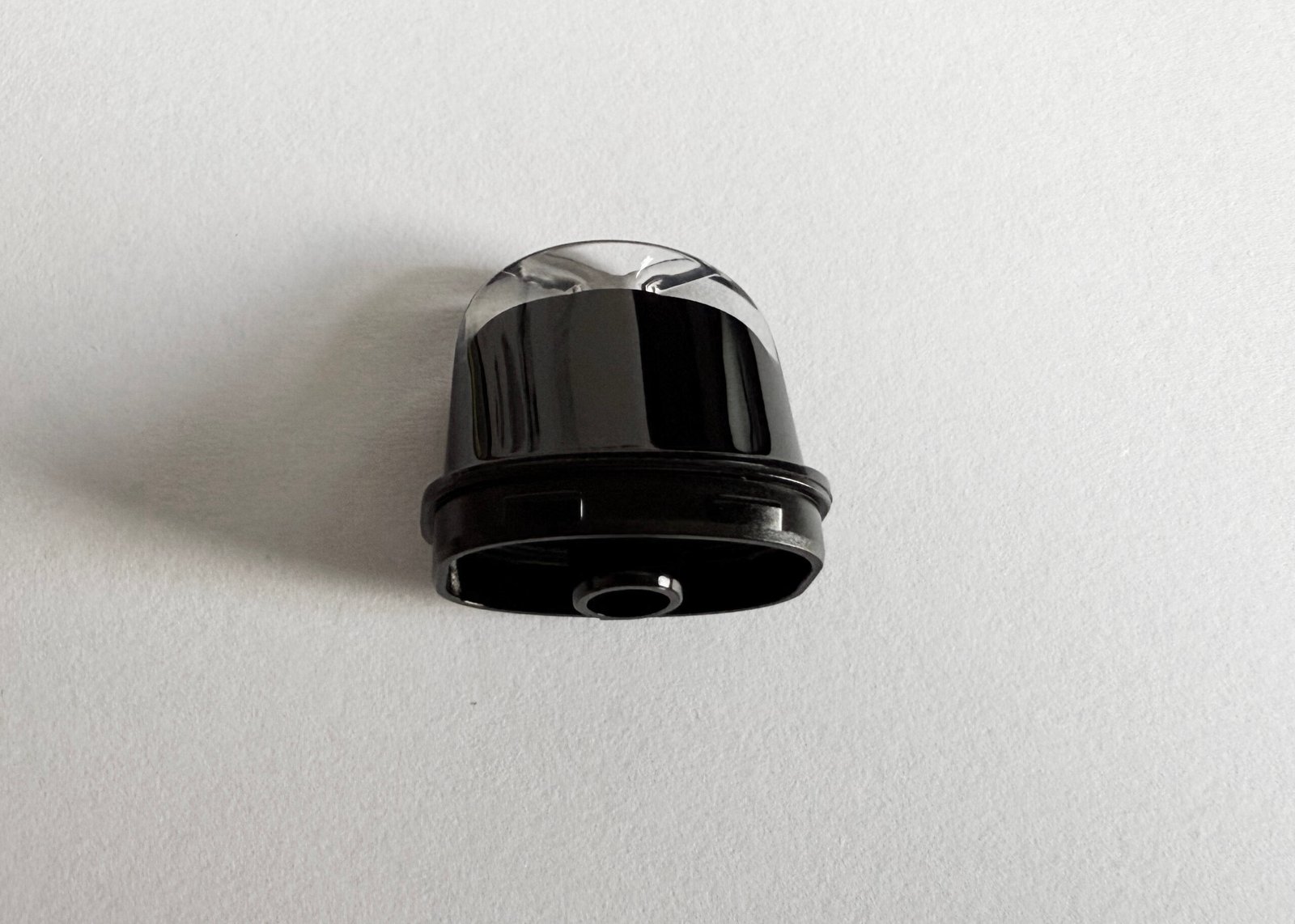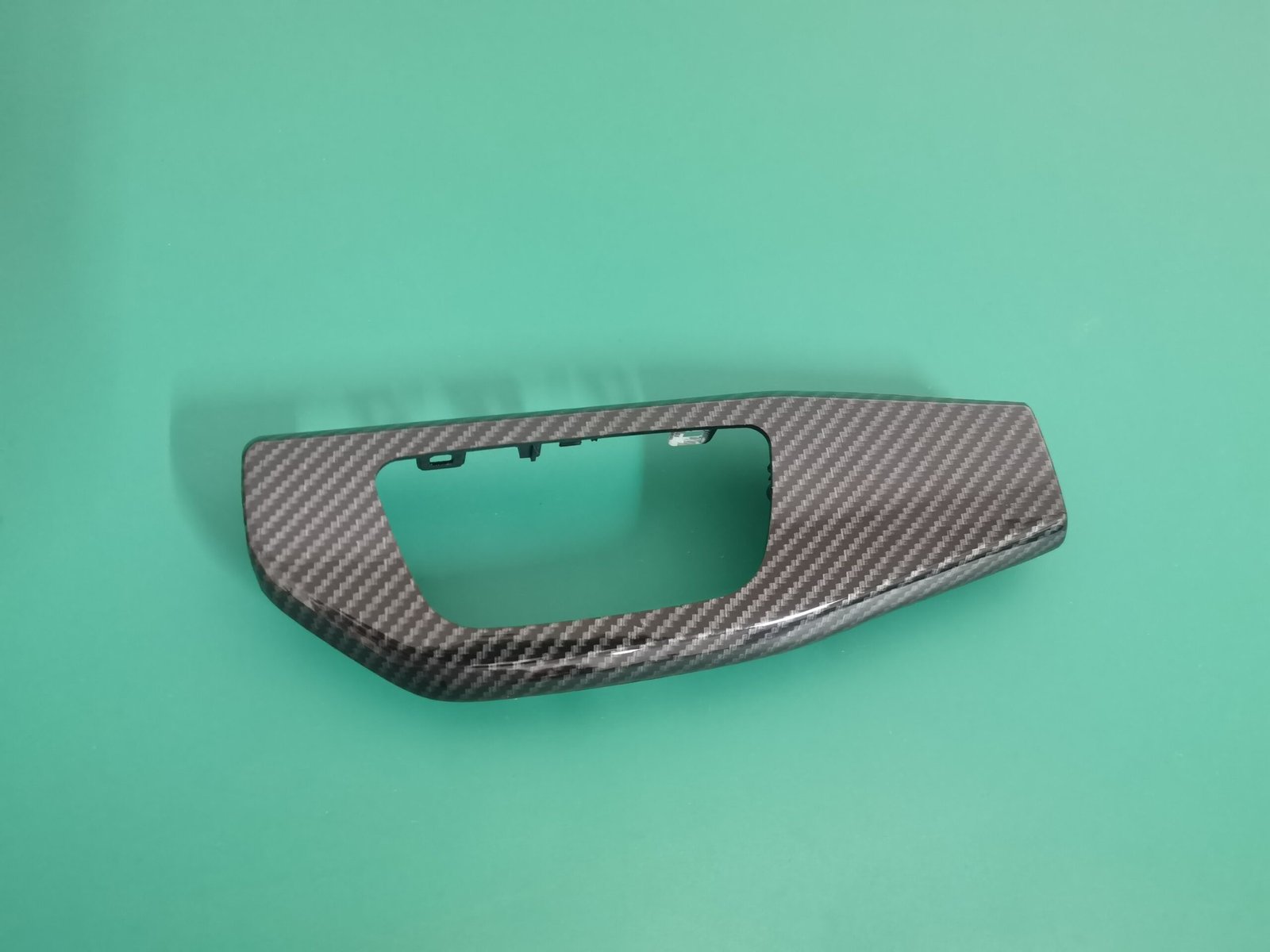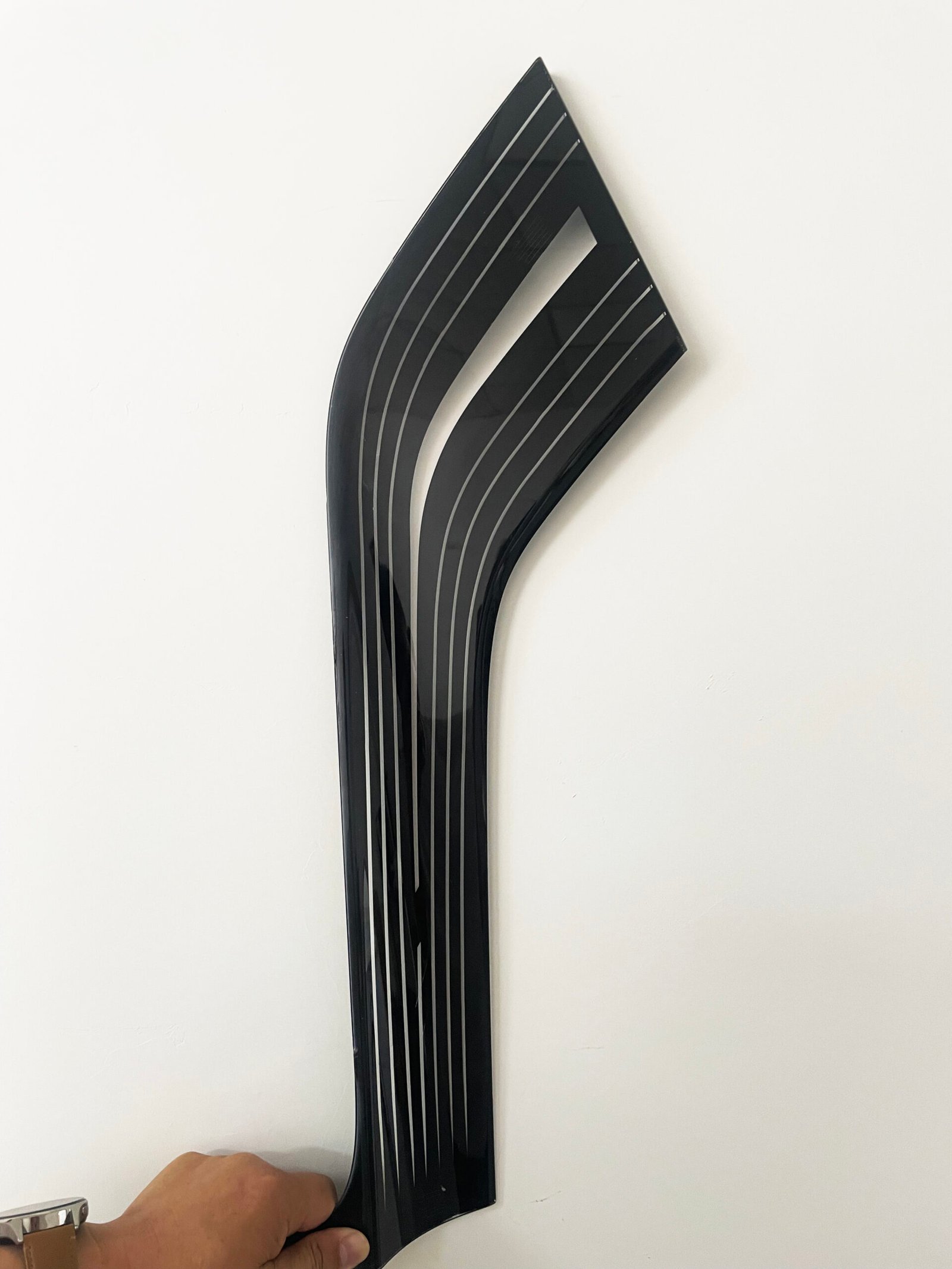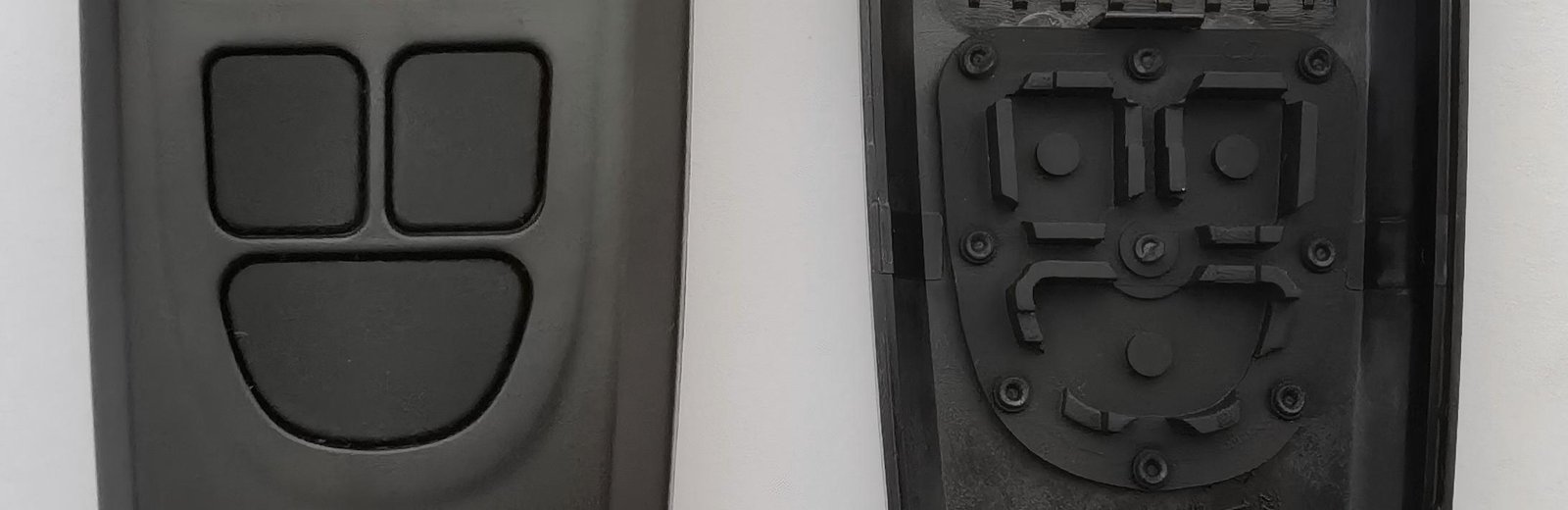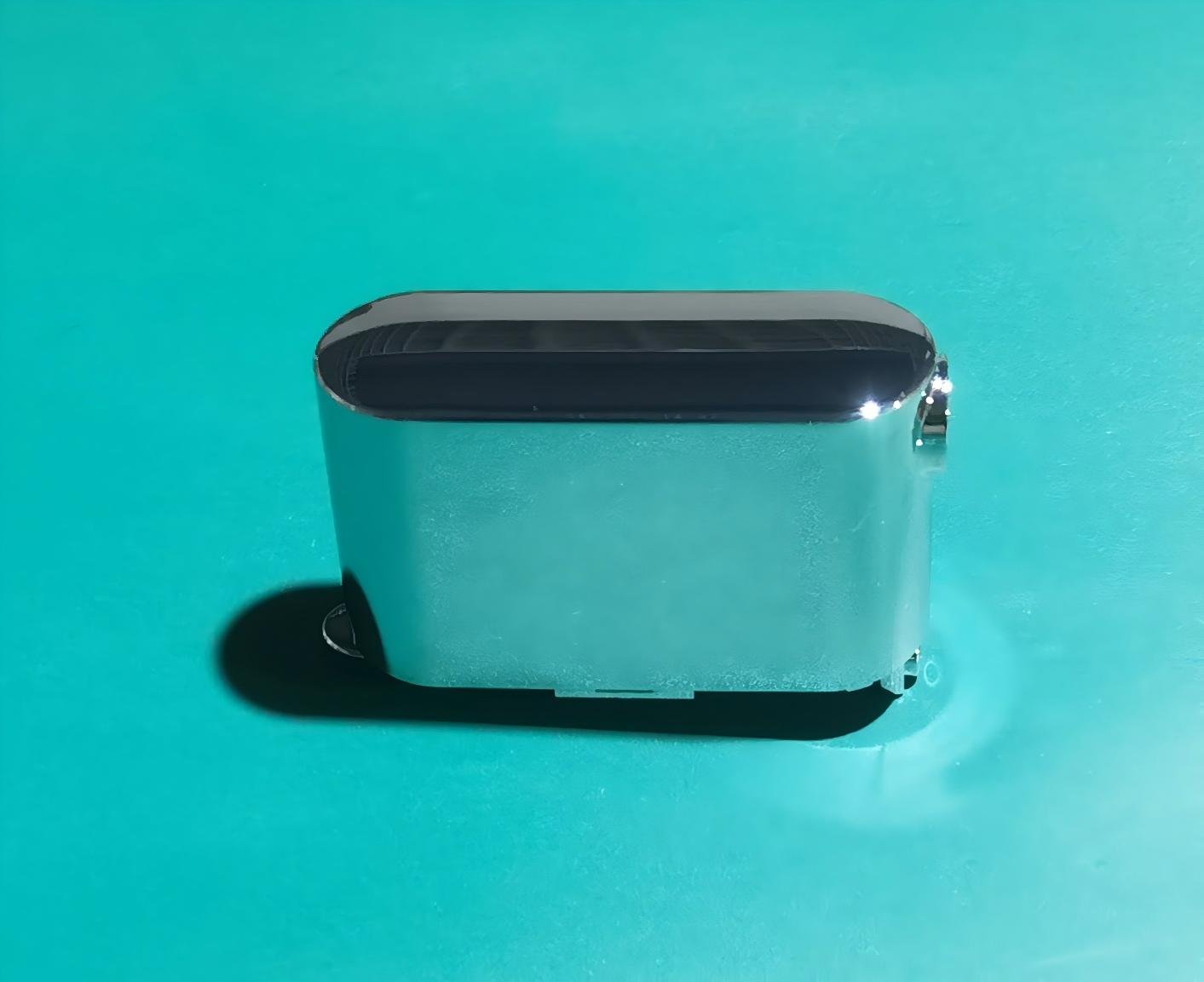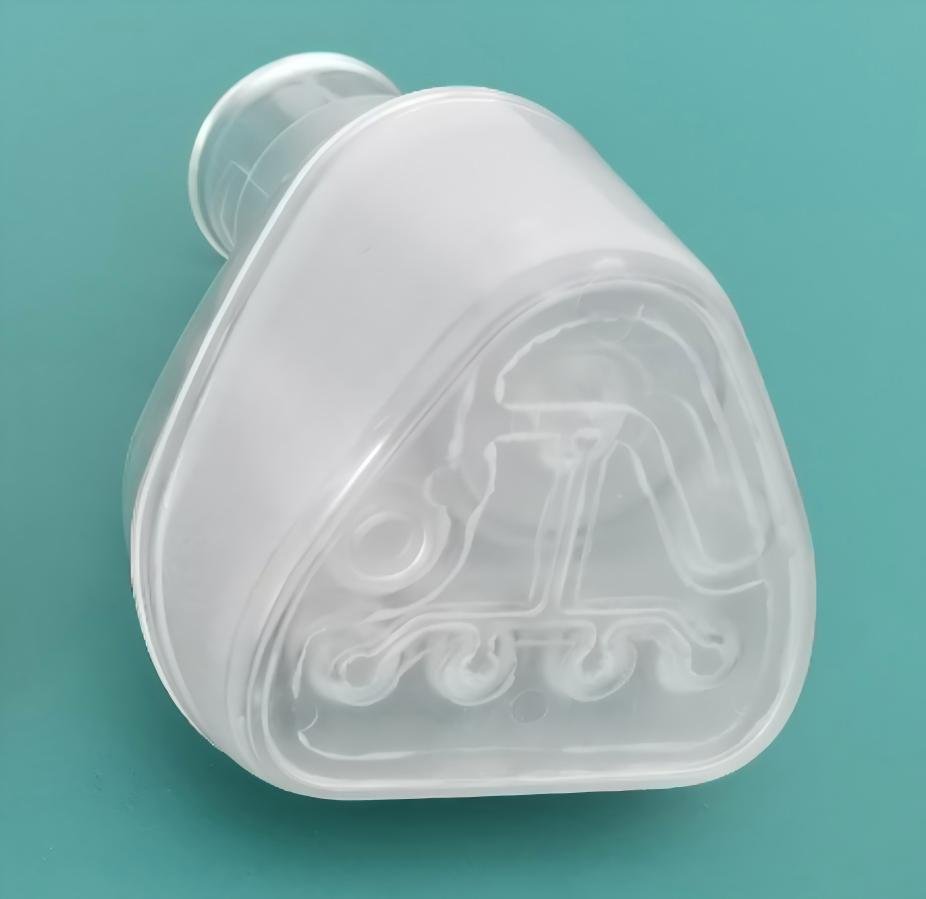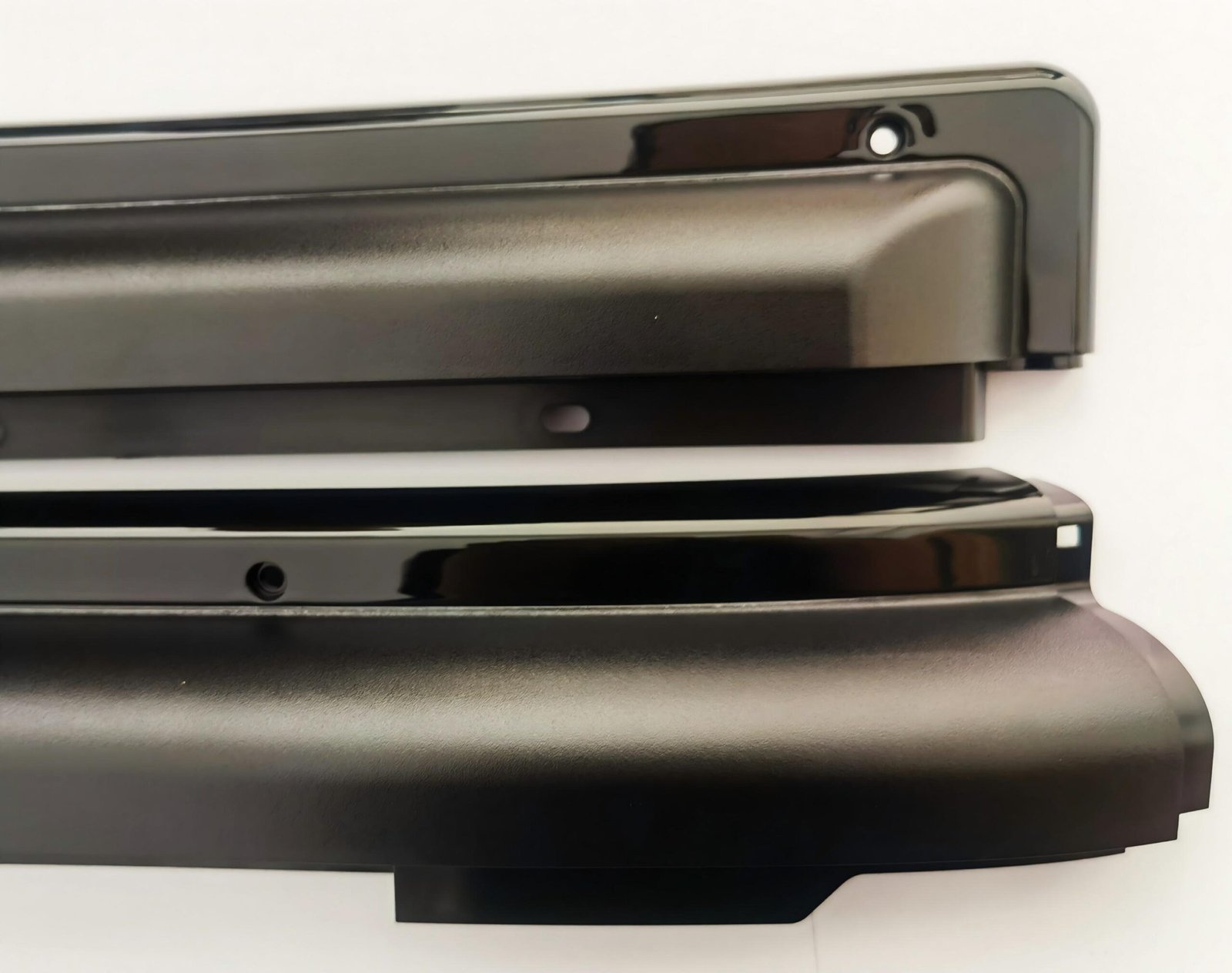
Injection molding is a manufacturing process used to make plastic parts. Plastic injection molding can be used for anything from manufacturing a few prototype parts up to running millions of an identical part. Plastic injection molding is ideal for making large quantities of the same part or related parts. FormexMold by Fathom
provides custom plastic injection molding for customers worldwide.
What is Plastic Injection Molding Used For?
Plastic injection molding has almost unlimited manufacturing possibilities. Examples of plastic injection molding can be found in a variety of industries including consumer electronics, car parts, medical devices, tools, toys, and packaging. Post-processing applications can be used to achieve the desired finish or texture. Plastic injection molding is an economical way to mass-produce the same or similar plastic parts.
The Basics of Plastic Injection Molding
Plastic injection molding is the process of making plastic parts using molten plastic and a metal mold. Special plastic resins, known as thermoplastics, are melted and then forced into the metal mold. Molds can be made of steel, aluminum, or beryllium-copper alloy. The molten plastic fills the cavity inside the mold. The part is removed from the injection mold after the plastic has cooled and re-solidified. This manufacturing process is done with specialized injection molding machines called presses. These injection-molding machines must be able to do several key processes at the same time. First, the thermoplastic is melted and then pushed under pressure into the metal mold. The injection-molding machine must be able to hold the mold closed while it is being filled. The machine uses a clamping mechanism to keep the molds closed by applying the appropriate amount of pressure to the outside of the mold. This pressure is called clamping tonnage or clamping force. To learn more about clamping tonnage click here. The clamp is released once the part has cooled. The part is removed from the mold and the process starts over.

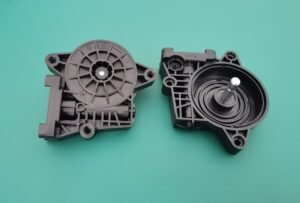
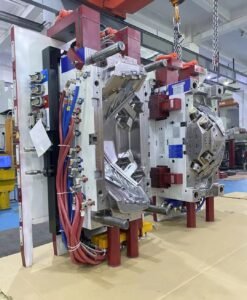 Injection molds, or mold tooling, are the formed halves of a metal mold that come together in the injection-molding machine. The cavity in the mold is then filled with molten plastic. Each mold will have two sides, Side A and Side B or the Cavity and the Core. The cavity side, or Side A, is typically the half that will form the best surface of the part. The core side, or Side B, may show some visual imperfections caused by ejector pins. The ejector pins are used to knock the part out of the mold so the next part can be made.
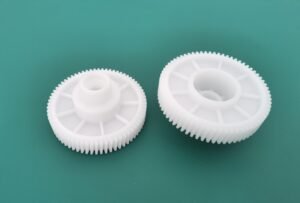 Similarly, a game controller can be manufactured with different types of plastics across the body.
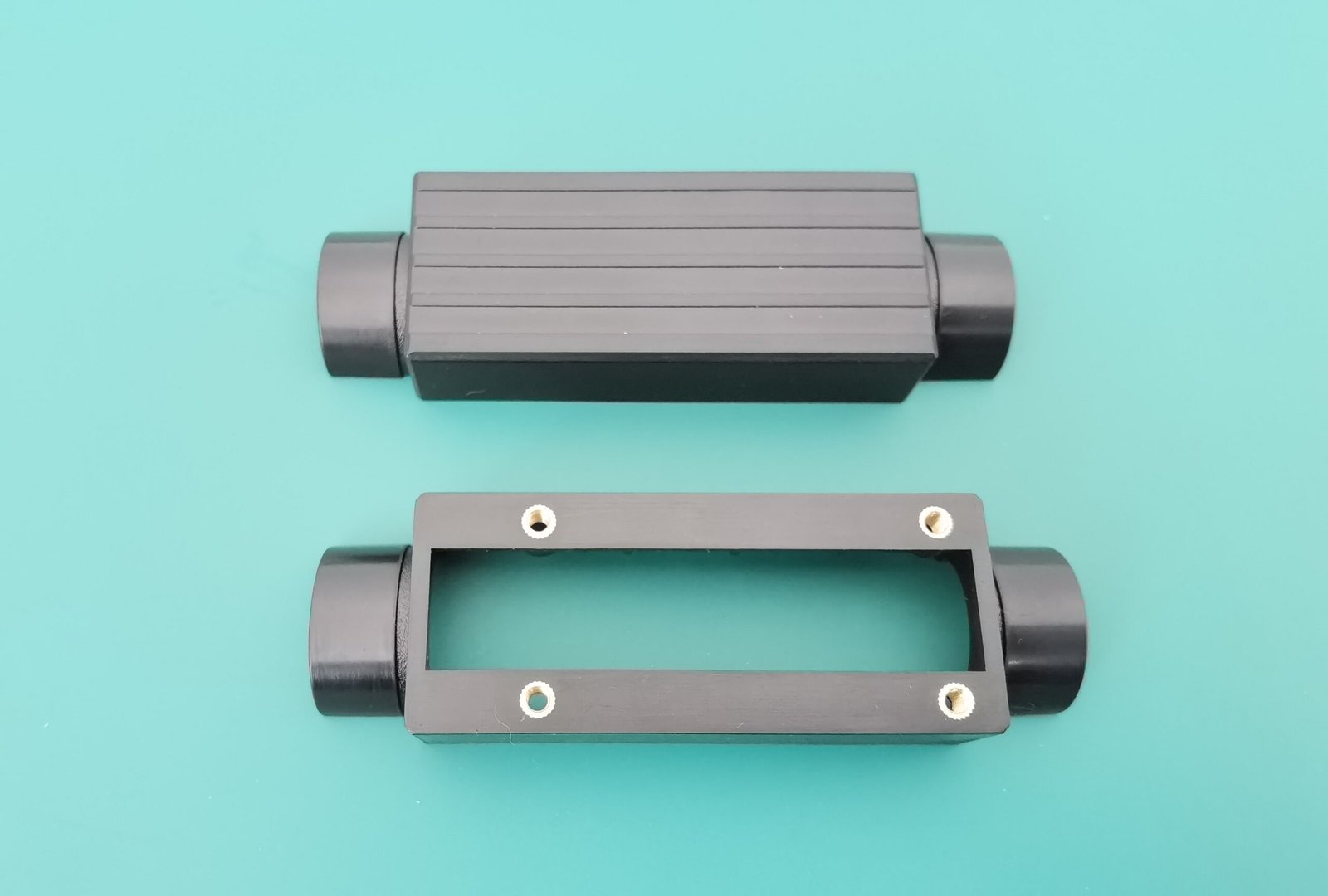
 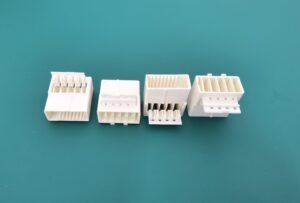 Insert Molding is a plastic injection molding process where metal, ceramic, or plastic pieces are inserted into the molten thermoplastic to form multi-material, robust parts with additional functionality. A common example is inserting threaded metal rods or nuts into the parts to allow them to be attached to other parts.