
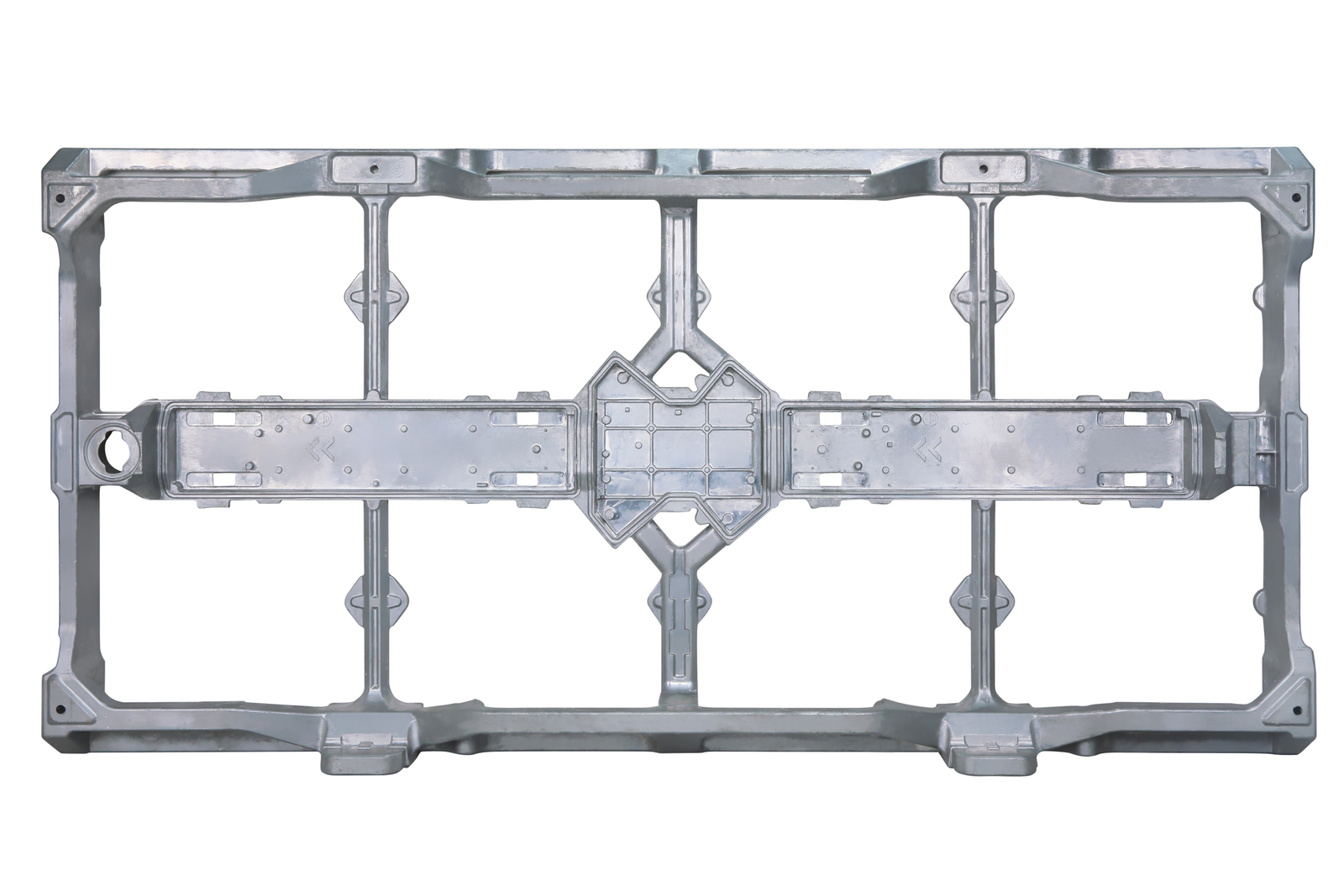
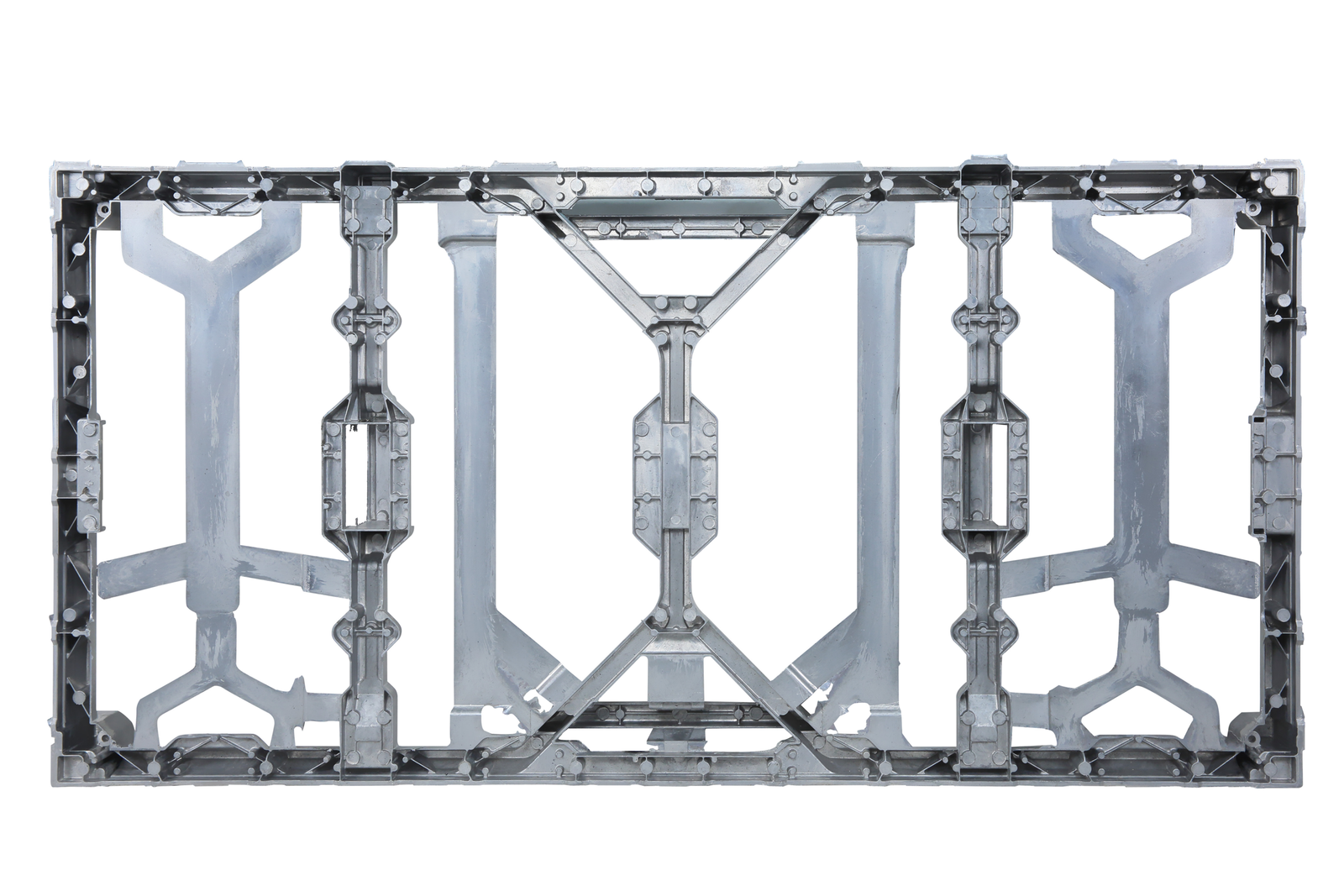
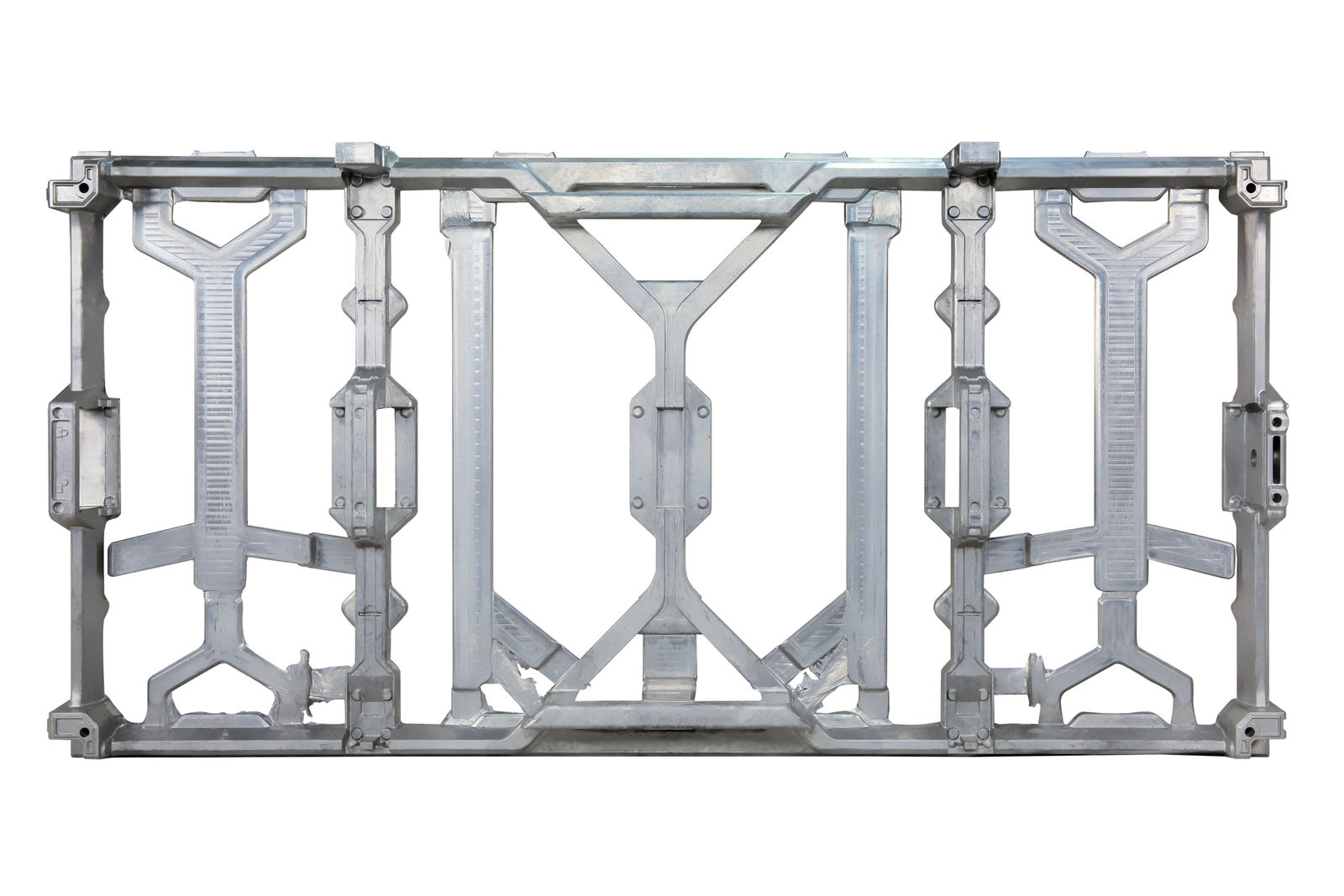
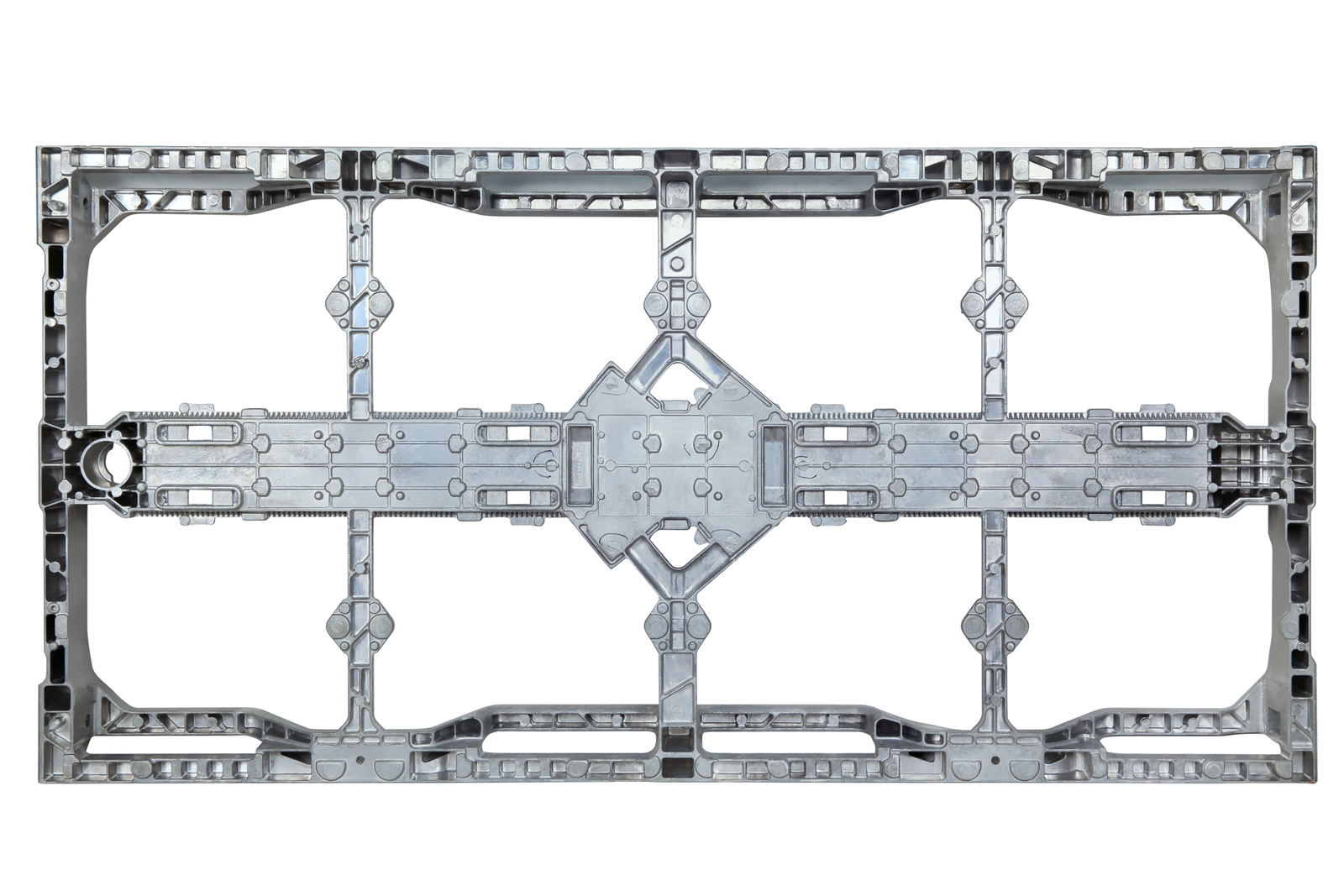
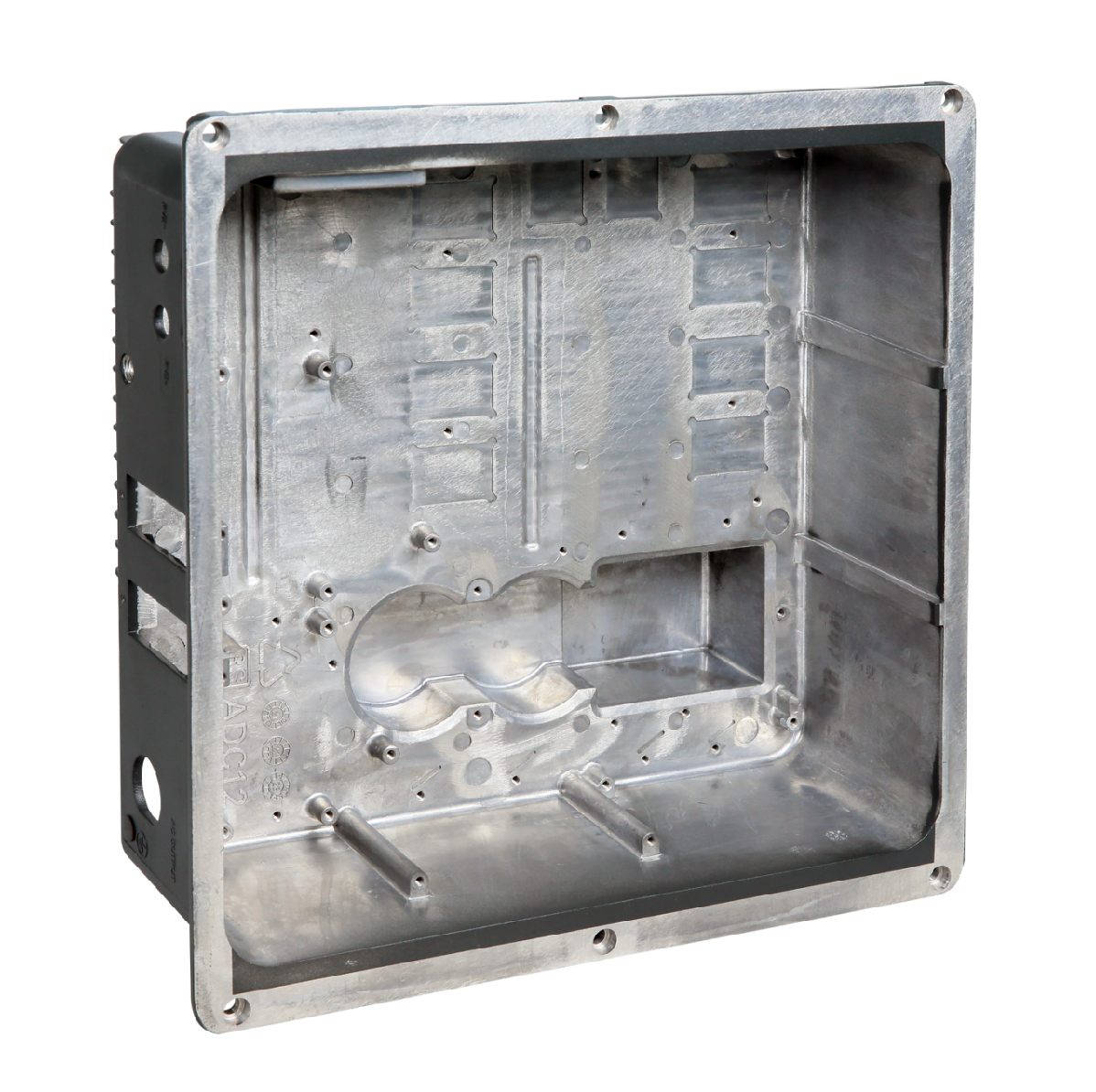
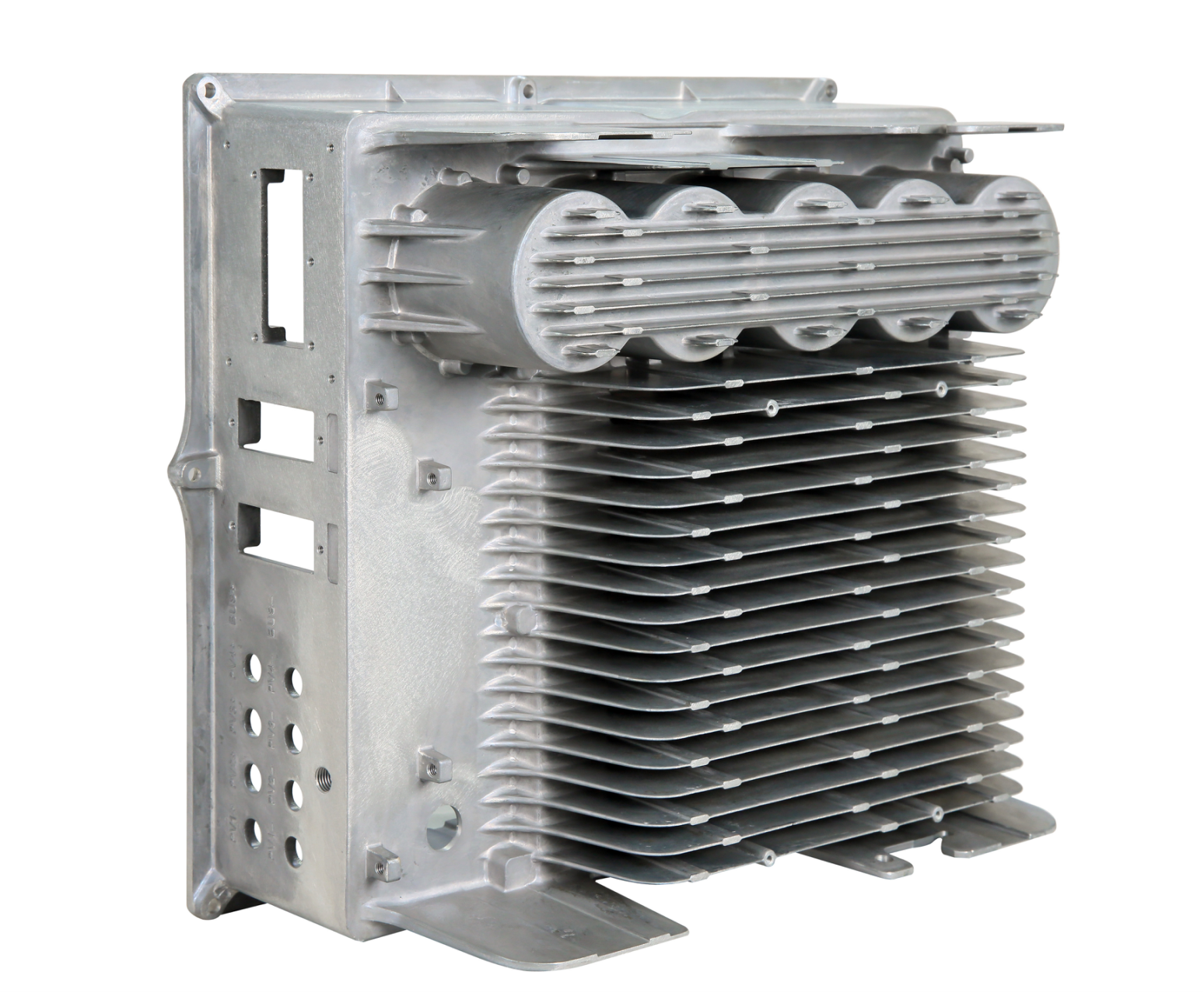
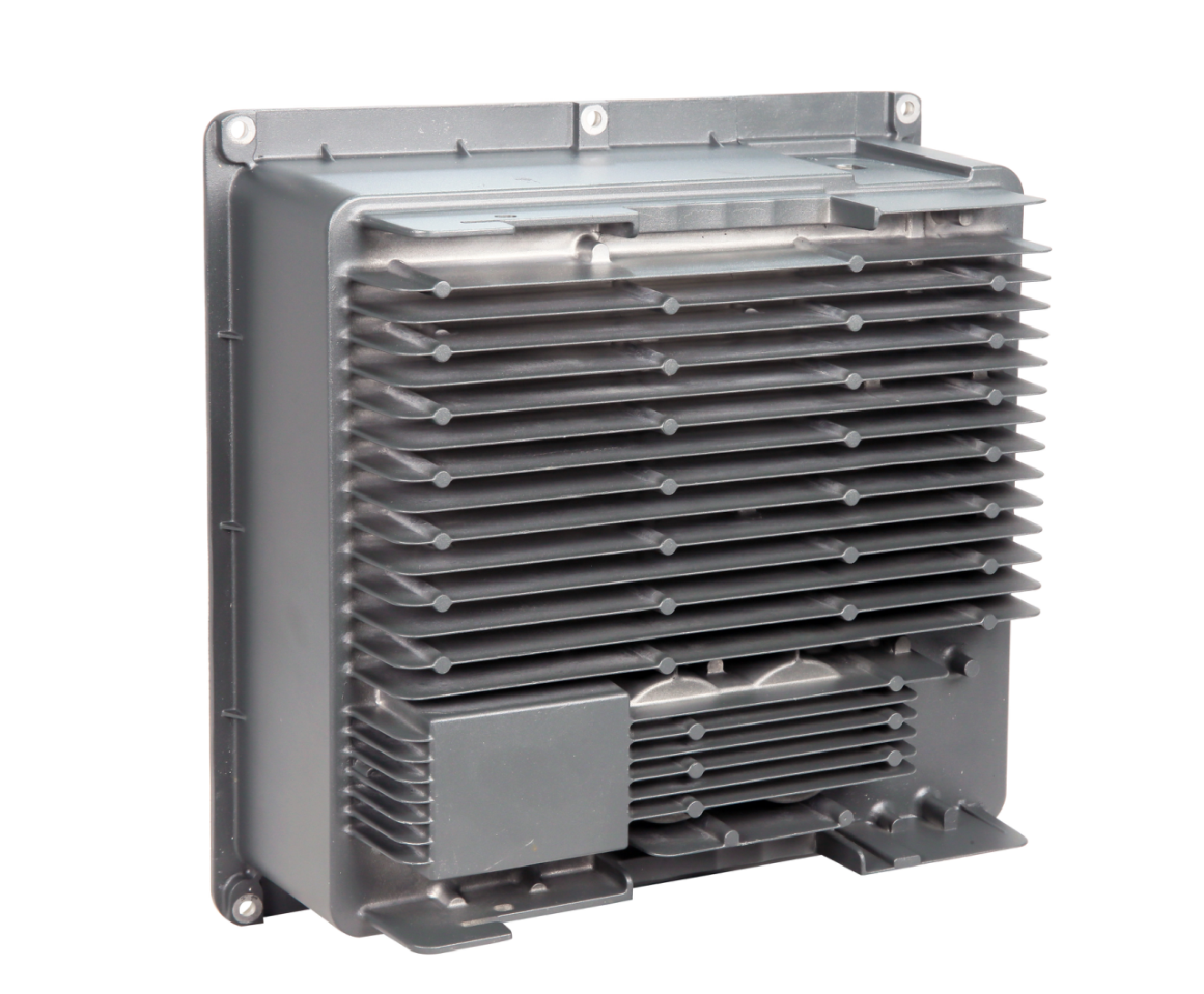
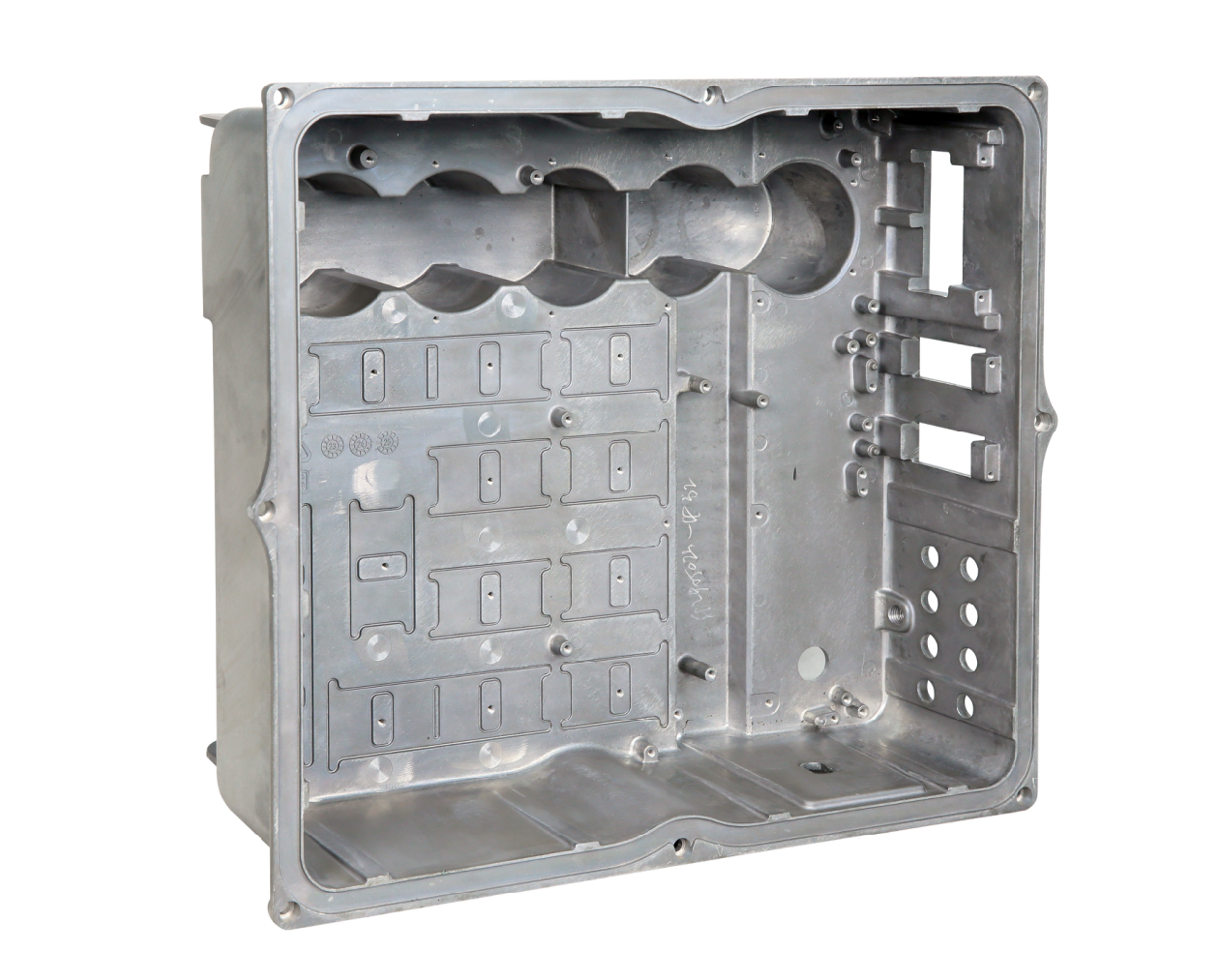
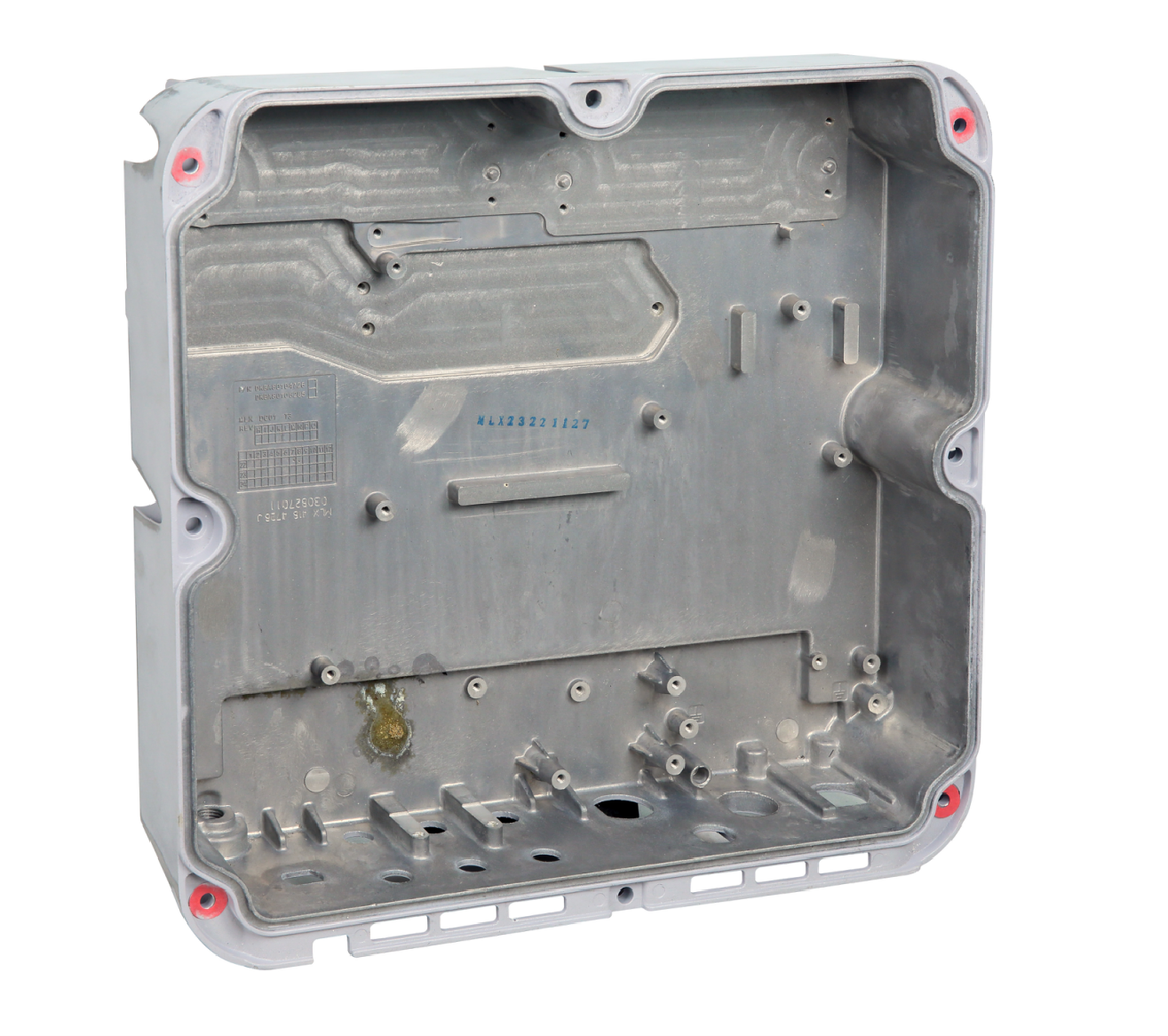
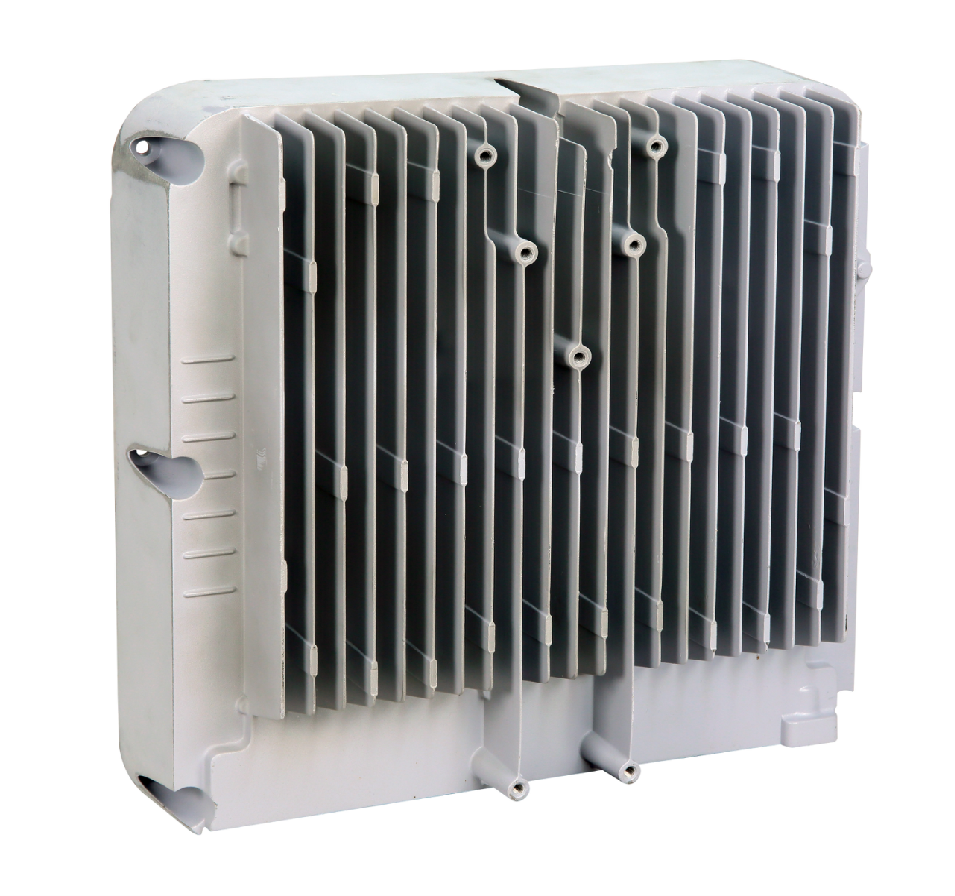
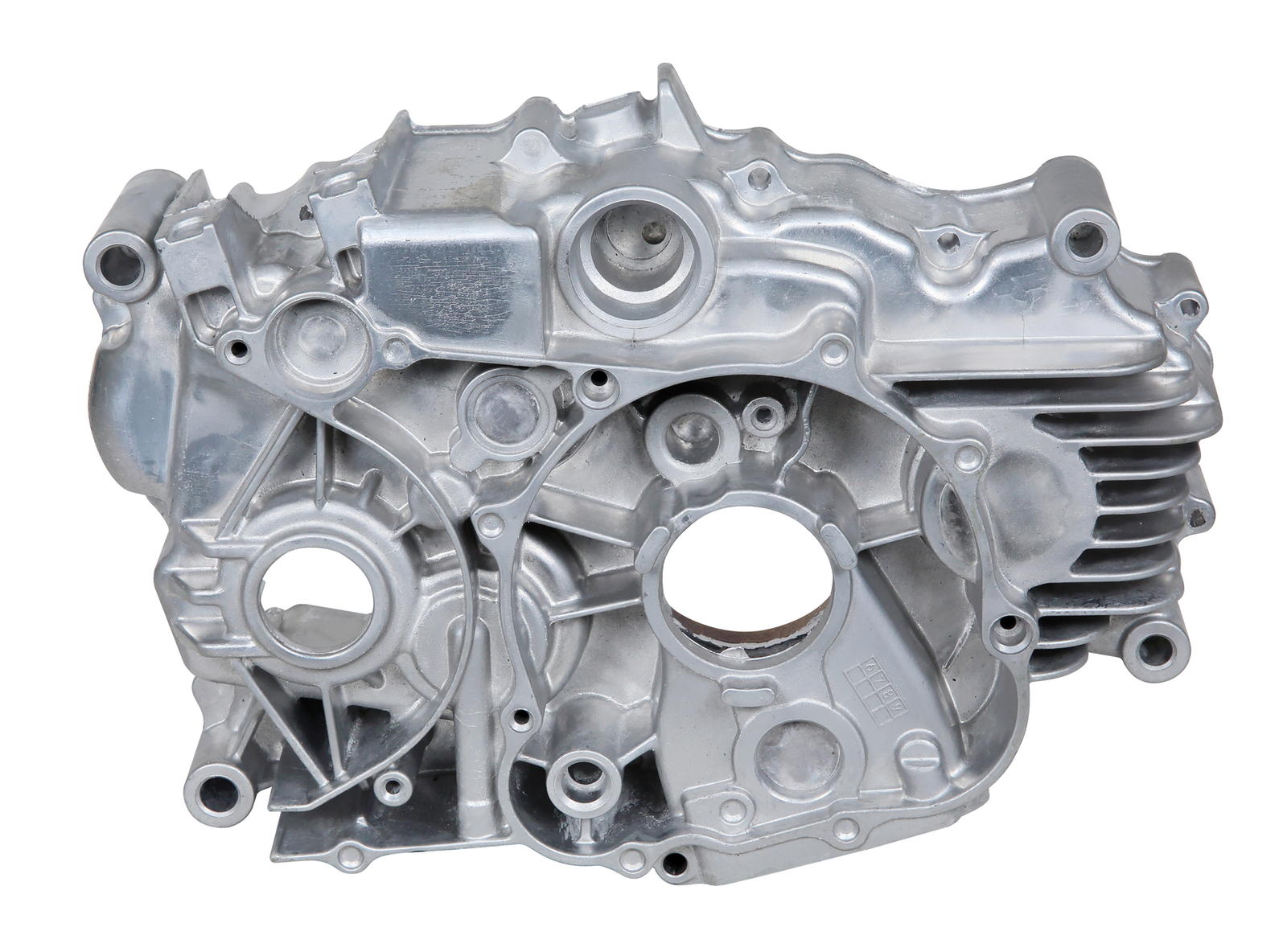
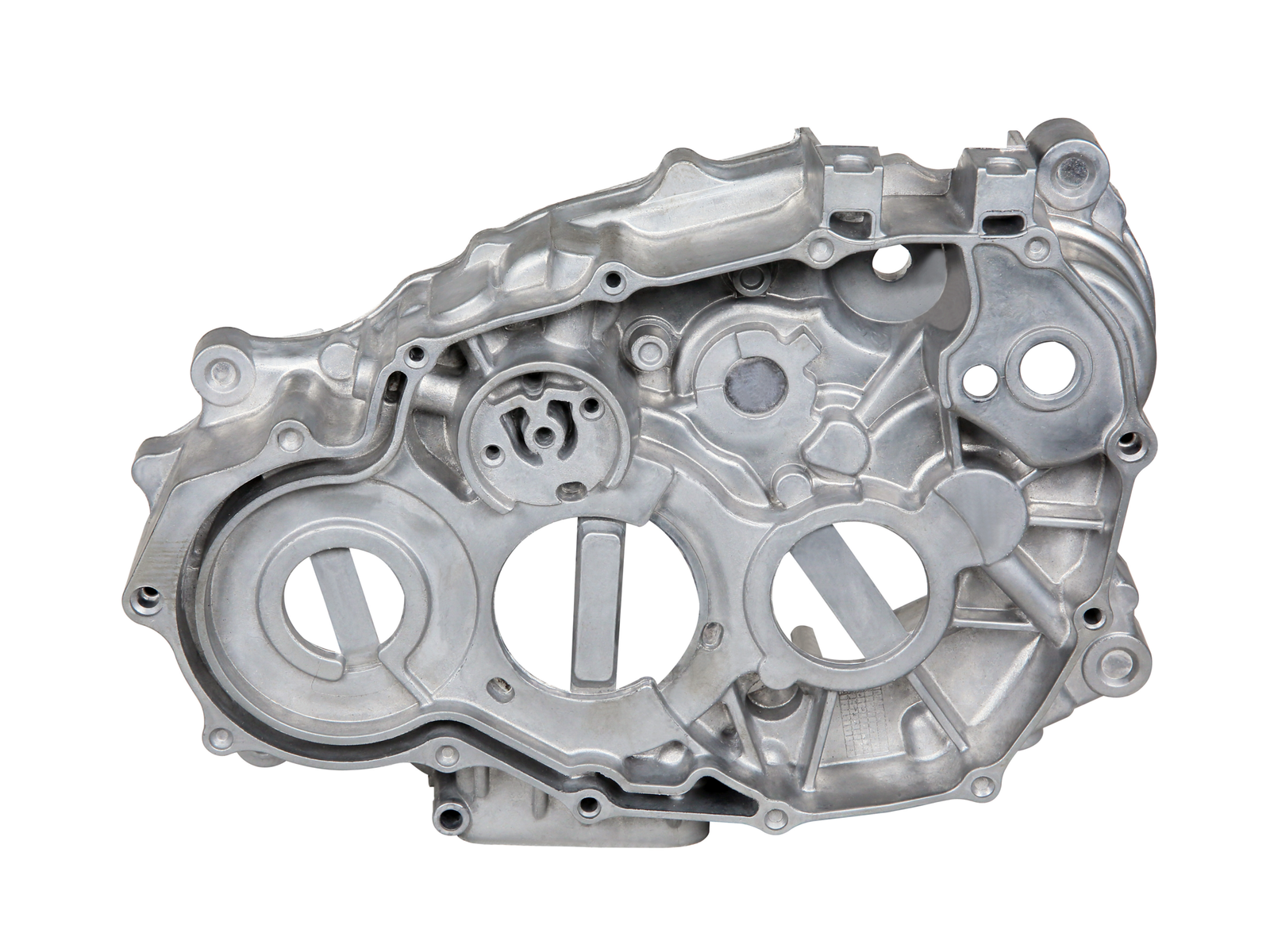
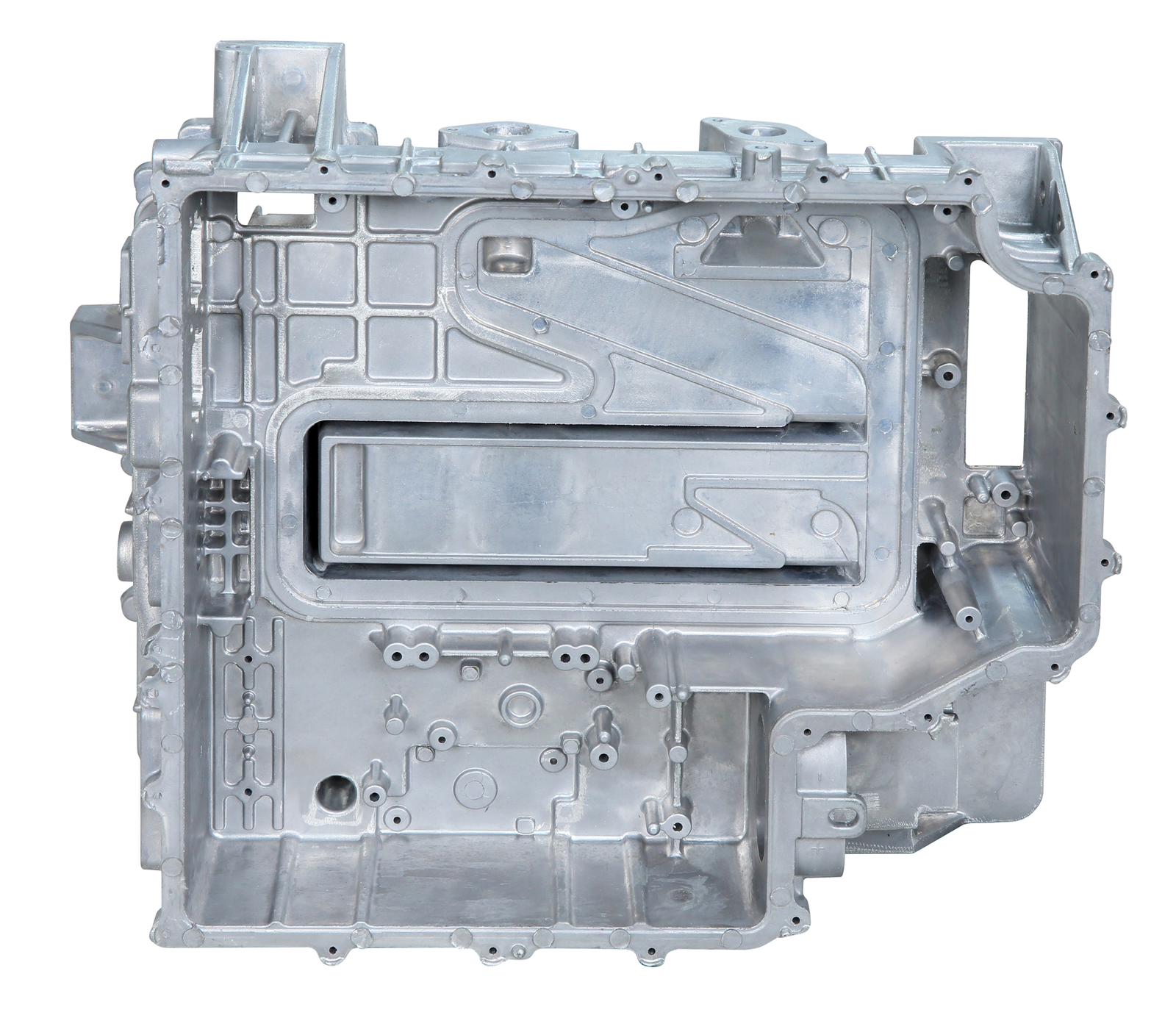
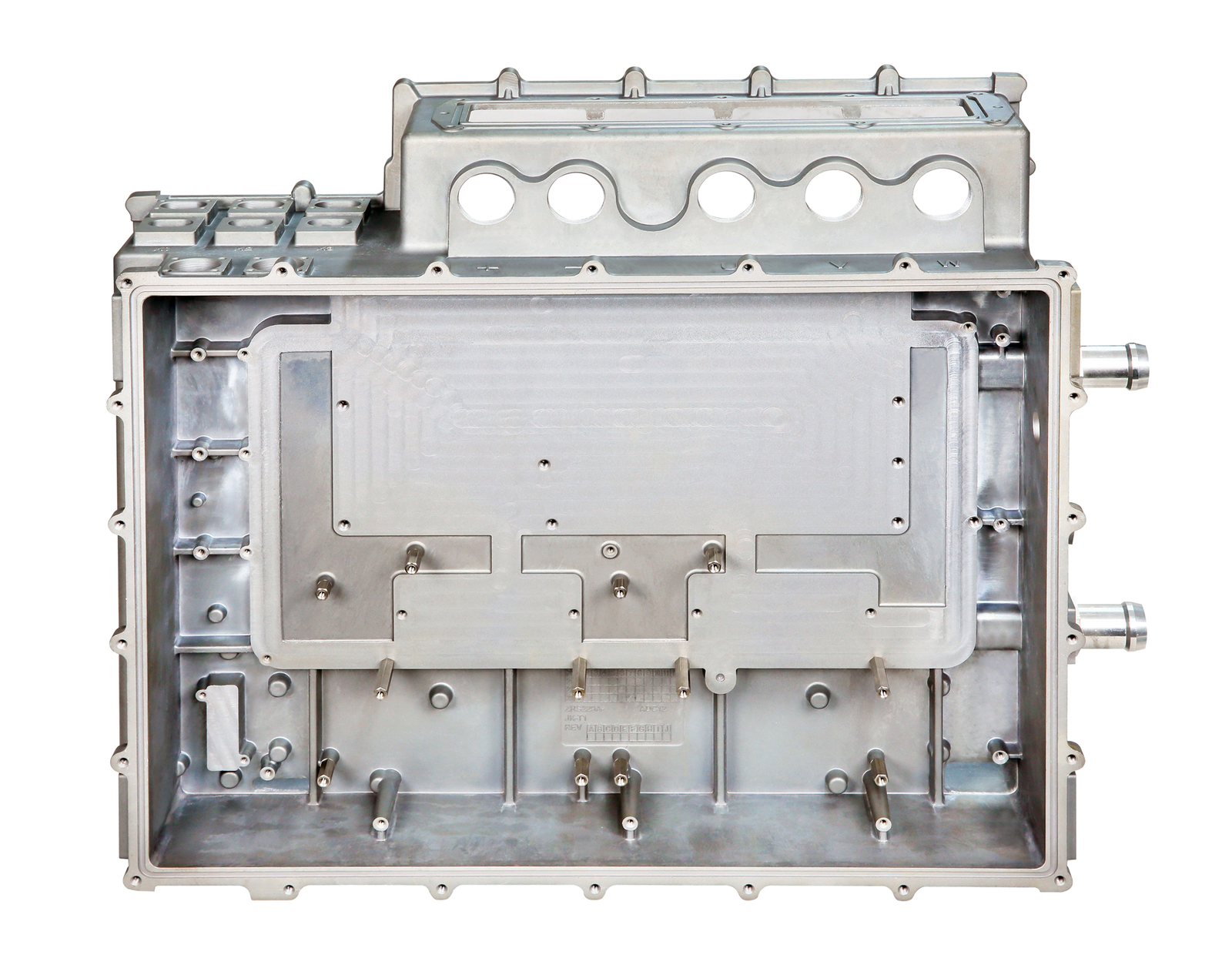
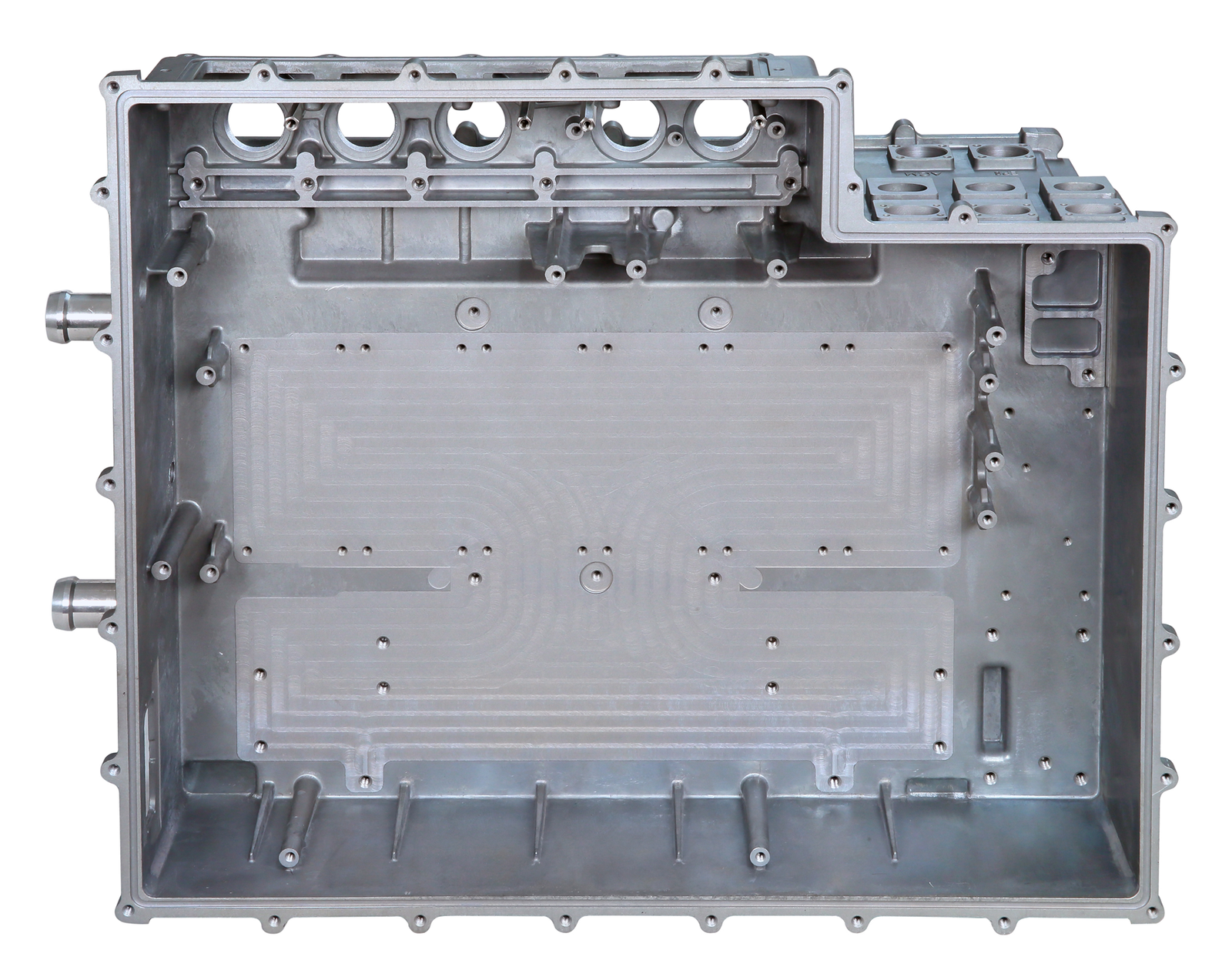
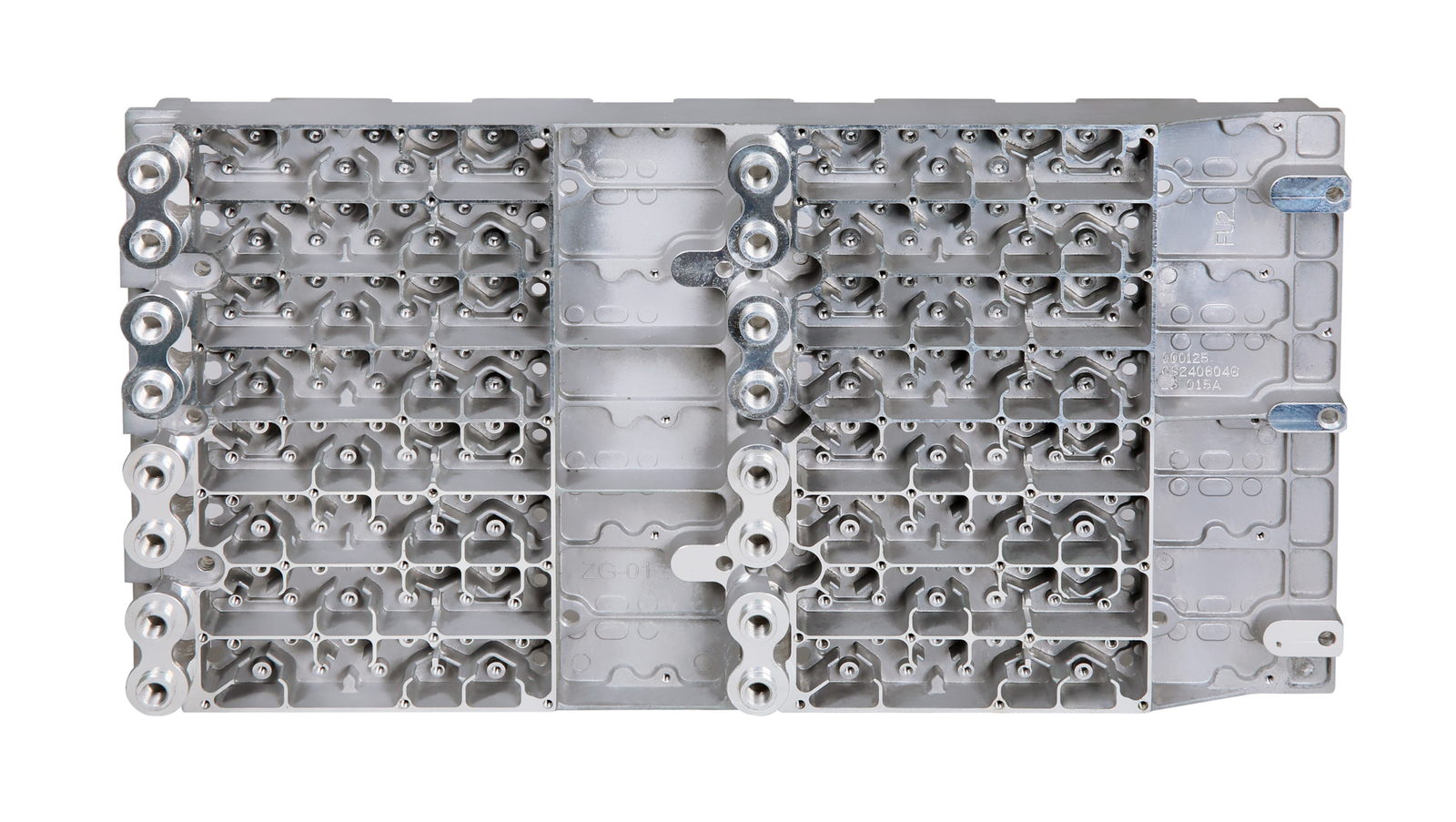
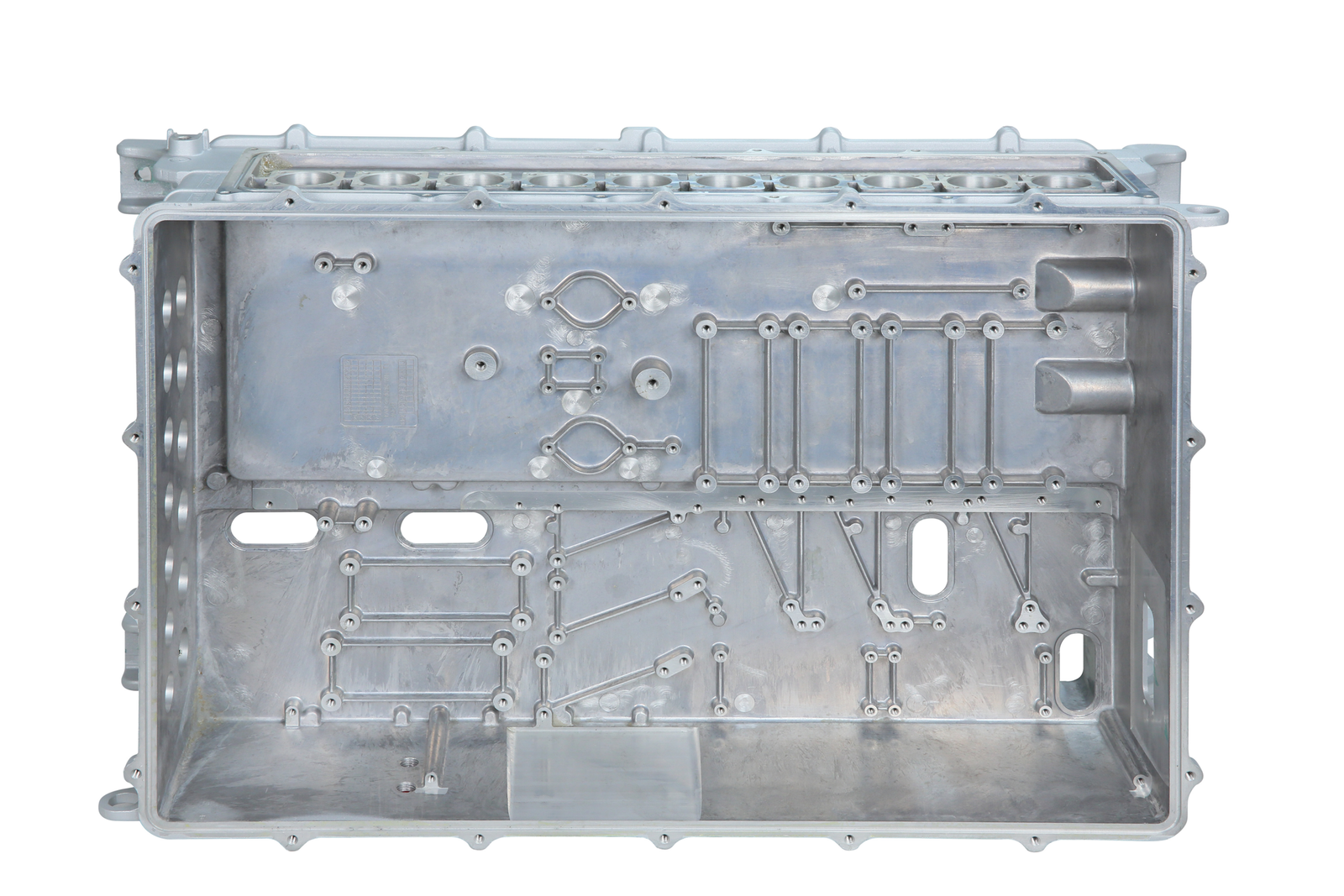
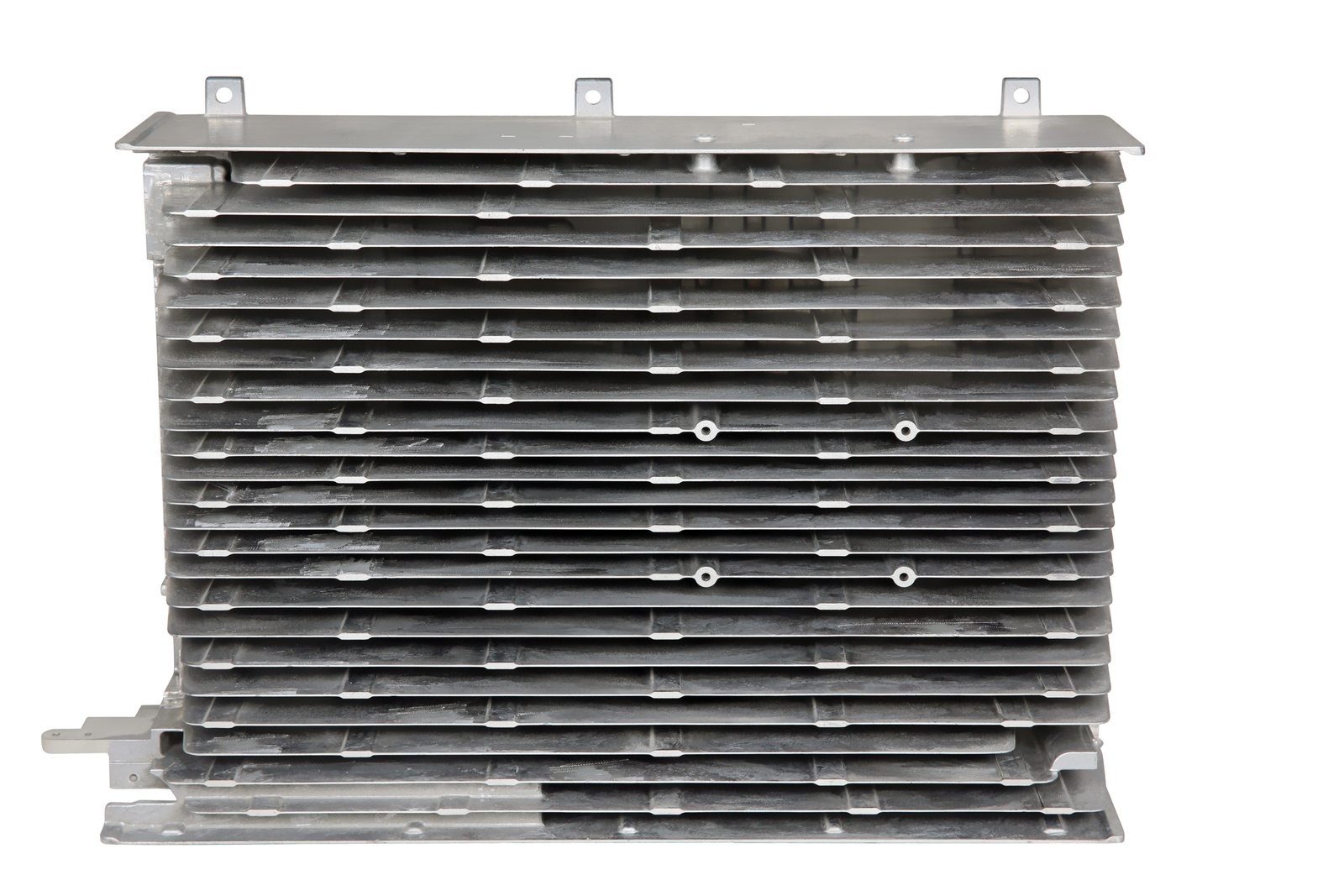
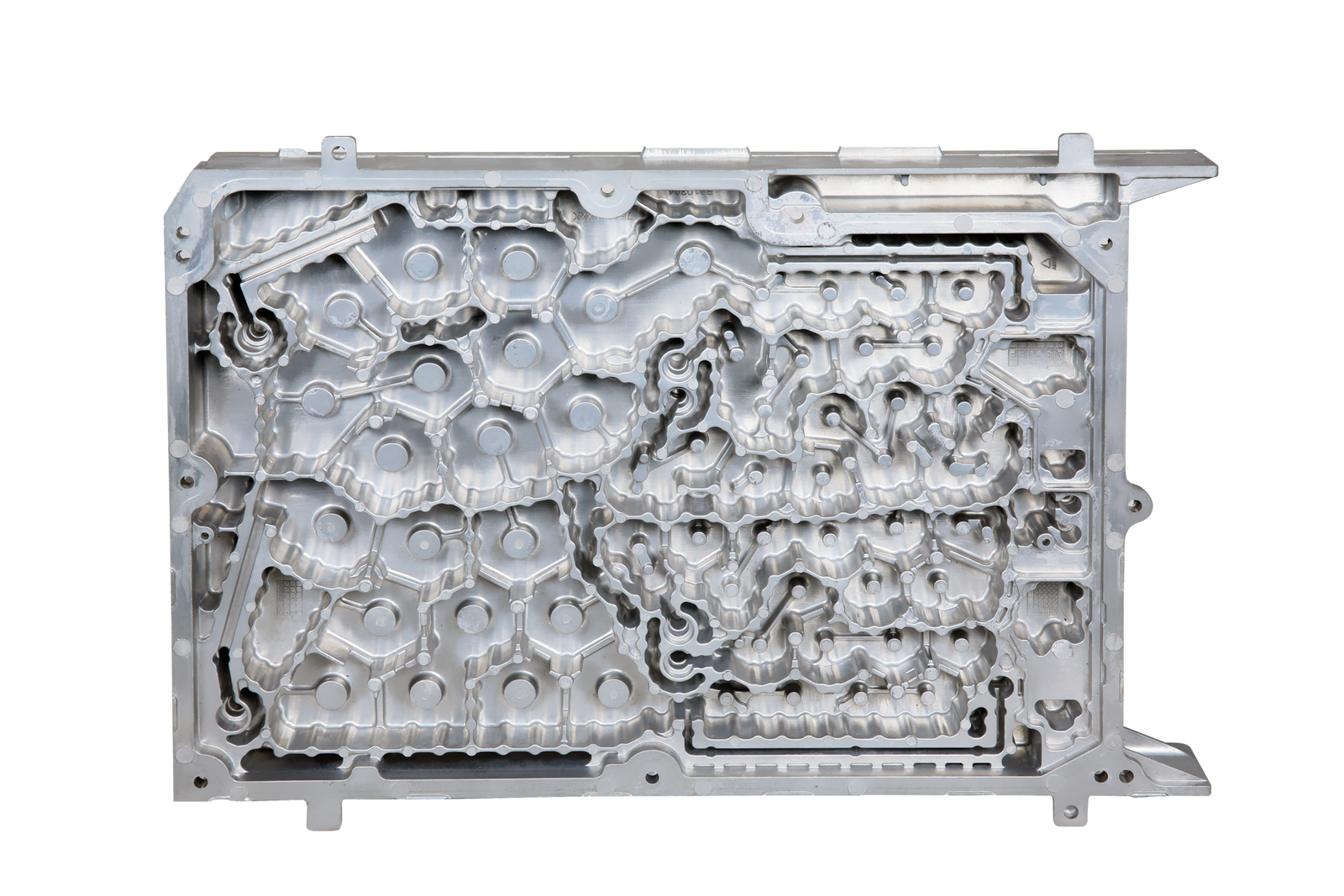
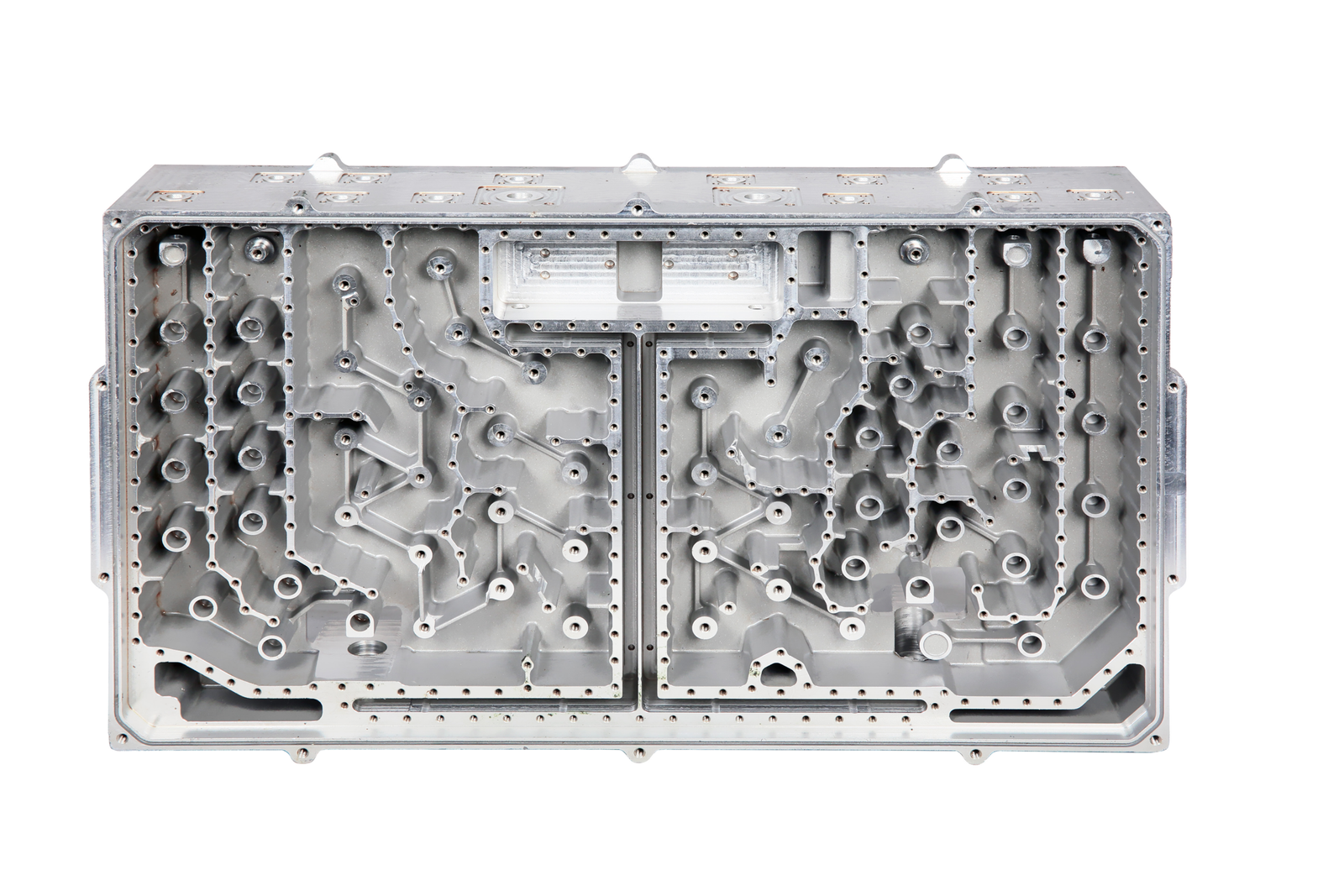
Aluminum alloy Die-Casting molding

Automotive Injection Molding Service: Custom Solutions for Car Parts Manufacturing

Aluminum Die-Cast Product Display

What is Die-Casting Molding?

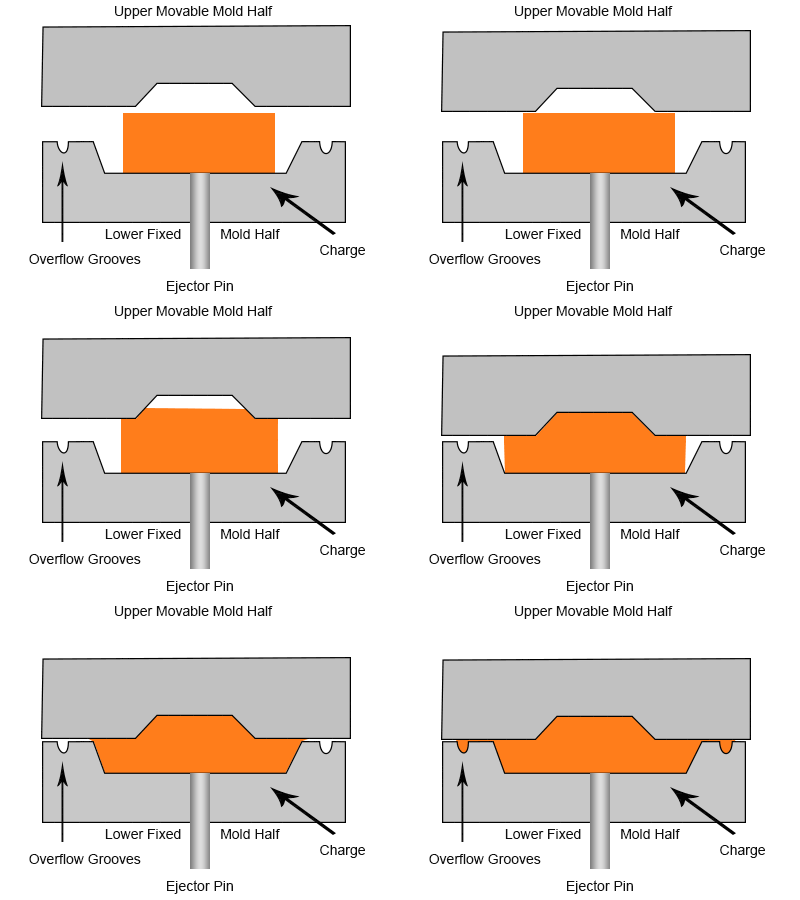
Compression molding is a manufacturing process that uses pressure to mold parts. A heated rubber material is placed in one side of a mold. The other side of the mold is then clamped down, and the rubber material is compressed into the desired shape. The mold must be heated, as the combined compression and heat is what causes the rubber to take its new shape. The mold also has to be designed to meet certain criteria for compression manufacturing. Compression molds need to have overflow grooves to allow excess material to exit the mold. It is difficult to accurately predict the amount of rubber material needed without any overflow. Using a little extra material will ensure the mold is filled completely and the product comes out as intended. The excess material is referred to as flash and must be trimmed after the compression molding has been completed.

What are the Advantages of Die-Casting Molding?

Cost is one of the driving factors behind the popularity of compression molding. Compression mold tooling is much cheaper than tooling for a comparable process like injection molding. Compression molds are far less complicated, requiring fewer machine hours to complete. Compression molds do not require the gates and runners needed for injection molding. Compression molded parts can vary in thickness without issue. Parts as thin as 0.5 mm (0.02 in.) or as thick as 25 mm (1 in.) are easy to produce. Designers are able to specify seamless design features with compression molding. There is no need to worry about flow or knit lines that may appear with injection molding.

What are the Disadvantages of Die-Casting Molding?

Cycle time is the main drawback when considering compression molding. One cycle can last several minutes. A technician has to manually place the material into the mold, heat it up, apply pressure, and then wait for the mold to cool off enough to remove the part before starting the process again. Multi-cavitation is a way around this issue. Parts will require some post processing after they are molded. Flash is the excess material that is squeezed out of the mold during compression. The flash will still be attached to the main product in some areas and will need to be manually removed. Compression molding is an ideal choice for simple products but may leave under-filled sections if the design is too complex.

Die-Casting Molding Your Parts

FormexMold by Fathom can help you take your idea from design to marketplace. Use our instant quote system to find out if your design is a good candidate for compression molding. Our experts will review the design and let you know whether or not the part can be created with compression molding. Design review is typically completed in about one business day. We look forward to working with you.

Process for Die-Casting Molding

FormexMold’s online quoting system enables us to simplify and shorten both the quoting and tool manufacturing process for compression molding.
  1. Upload the 3D CAD file to get a mold and part quote instantly.
  2. Upon order confirmation, FormexMold starts the mold and part order process.
  3. Tooling design review by FormexMold engineers.
  4. Upon design approval, FormexMold begins building your injection mold.
  5. Customer examines samples for approval.
  6. Part production begins.
  7. Die-Casting Molding Highlights
  8. 8Fast mold and part quote
  9. Low cost, high quality, fast turnaround
  10. Online project management
  11. Trouble-free part modifications
  12. Any commercially available material and surface finish

Go to our case studies page to see how we helped customers on their projects.

Low-Cost Injection Molding Leader

The Best Brands Put Their Trust in Formexmold

Upload a file to Get an Instant Quote